
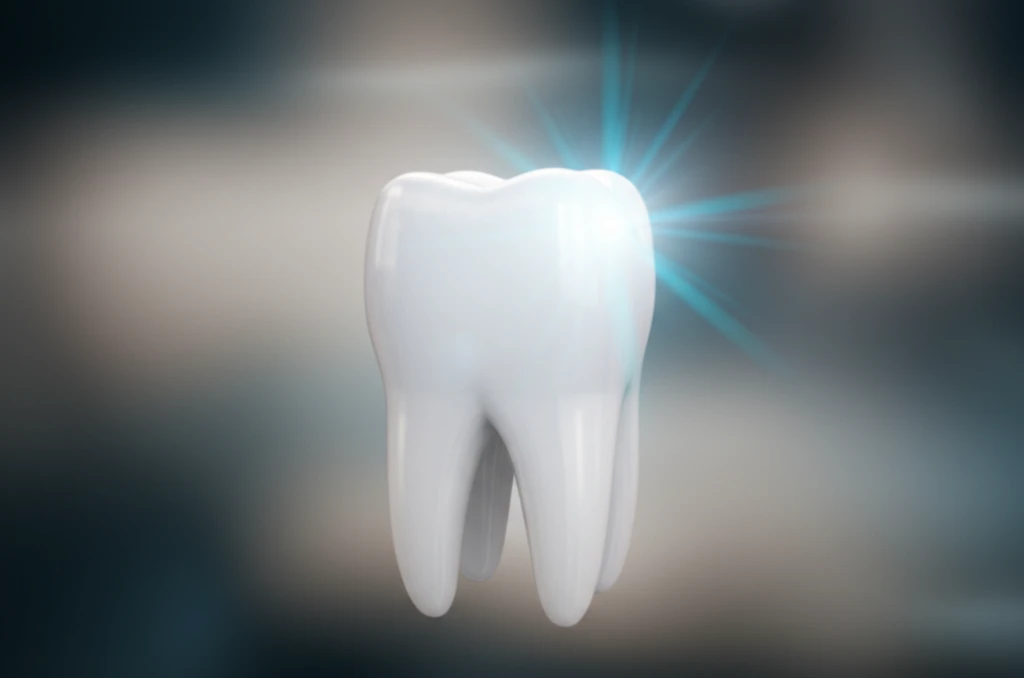
Illustration of a composite resin filling emitting light to highlight fluorescence, a key factor in the appearance of dental fillings.

Unlocking a Brighter Smile: How Polishing and Storage Shape Your Dental Fillings' Sparkle

"Shining a Light on Composite Resin: Understanding How Polishing and Storage Conditions Affect the Fluorescence of Your Fillings."


In the realm of cosmetic dentistry, the pursuit of a flawless smile goes beyond mere functionality; it's about capturing the essence of natural beauty. One critical aspect of this aesthetic pursuit lies in understanding the nuances of dental materials, particularly composite resins. These versatile materials, widely used for fillings, are designed to mimic the appearance of natural teeth, and a key element in this mimicry is fluorescence.

Fluorescence, the ability of a material to emit light when exposed to specific wavelengths, is a natural phenomenon found in teeth. Composite resins aim to replicate this, contributing to a lifelike appearance. However, factors like polishing techniques and storage conditions can influence a filling's fluorescence. This article explores how these factors affect the fluorescence of composite resin fillings.

This research delves into the impact of surface polishing and storage on the fluorescence of composite resin, providing insights into how these processes affect the aesthetic outcome of dental restorations. By examining in-vitro studies, we will gain a better understanding of the materials and techniques that contribute to a radiant, natural-looking smile.

The Science Behind the Shine: Understanding Fluorescence in Composite Resins

Illustration of a composite resin filling emitting light to highlight fluorescence, a key factor in the appearance of dental fillings.

Composite resins, the workhorses of modern dentistry, are prized for their ability to blend seamlessly with natural teeth. One of the secrets behind this ability lies in fluorescence, the natural glow that teeth exhibit under specific lighting conditions. This glow is crucial for a natural appearance, as it allows the fillings to blend seamlessly with the surrounding teeth under various light sources. The goal is to create a filling that looks as natural as possible.

The research examined how the polishing of fillings' surfaces and how the storage of the fillings affect the fluorescence. They looked at different polishing methods using various grades of sandpaper. Then they looked at the different storage conditions like water, tap water, and artificial saliva. These tests were conducted to see how these processes would affect how the fillings glow.

  • Polishing Protocols: Different polishing techniques were tested to evaluate how they affect the fluorescence of the composite resin.
  • Storage Mediums: The research used different mediums to store the fillings, including distilled water, tap water, and artificial saliva.
  • Testing and Analysis: Fluorescence was measured at different time intervals using specialized equipment.
  • Statistical Analysis: Advanced statistical methods were used to compare results across different polishing and storage conditions.
The results of the research revealed that the method of polishing did not significantly affect the fluorescence of the fillings. But storage conditions did have an impact. Over time, the fillings stored in tap water and distilled water showed a bigger change in fluorescence compared to those stored in artificial saliva. This emphasizes the importance of proper handling and the environment in which dental restorations are placed, as these factors can influence their long-term aesthetic properties.

The Path to a Radiant Smile

This research provides valuable insights into the factors influencing the fluorescence of composite resin fillings. The findings highlight the importance of understanding how storage conditions can impact the long-term aesthetics of dental restorations. Whether you're a dental professional or a patient, this information can help you make informed decisions regarding the care and maintenance of your fillings, ensuring a smile that shines brightly for years to come.

About this Article -

This article was crafted using a human-AI hybrid and collaborative approach. AI assisted our team with initial drafting, research insights, identifying key questions, and image generation. Our human editors guided topic selection, defined the angle, structured the content, ensured factual accuracy and relevance, refined the tone, and conducted thorough editing to deliver helpful, high-quality information.See our About page for more information.

This article is based on research published under:

DOI-LINK: 10.1590/s1807-25772013000200007, Alternate LINK

Title: Intensidade De Fluorescência Em Resina Composta: Influência Do Polimento Superficial E Dos Meios De Armazenagem

Subject: General Medicine

Journal: Revista de Odontologia da UNESP

Publisher: FapUNIFESP (SciELO)

Authors: Ângela Dalla Nora, Renata Plá Rizzolo Bueno, Roselaine Terezinha Pozzobon

Published: 2013-04-01

Everything You Need To Know

1

What is fluorescence in the context of dental fillings, and why is it important?

In dental fillings, fluorescence refers to the ability of composite resins to emit light when exposed to specific wavelengths, mimicking the natural glow of teeth. This is important because it allows the fillings to blend seamlessly with the surrounding teeth under various lighting conditions, creating a more natural and aesthetically pleasing appearance. Without adequate fluorescence, fillings may appear dull or artificial, detracting from the overall smile.

2

How do polishing techniques affect the fluorescence of composite resin fillings?

Research indicates that the method of polishing does not significantly affect the fluorescence of composite resin fillings. Various polishing techniques using different grades of sandpaper were tested, and the results showed no major differences in fluorescence based on the polishing method alone. However, the initial characteristics of the composite resin itself will play a larger role in how well the material reflects light after the polishing process. The polishing is still important for smoothing the surface and removing imperfections but has a very limited role to play in the fluorescense.

3

What storage conditions were examined, and how did they influence the fluorescence of composite resin fillings?

The storage conditions examined included distilled water, tap water, and artificial saliva. Fillings stored in tap water and distilled water showed a more significant change in fluorescence over time compared to those stored in artificial saliva. This suggests that the storage environment can influence the long-term aesthetic properties of dental restorations. This is likely due to differences in the pH and mineral content of the storage media, which can affect the composite resin's composition.

4

What are composite resins, and why are they used in modern dentistry?

Composite resins are versatile dental materials widely used for fillings. They are prized for their ability to blend seamlessly with natural teeth, due to properties like fluorescence. This material is designed to mimic the appearance of natural teeth, making them ideal for cosmetic dentistry. Composite resins help achieve a natural-looking smile by replicating the natural glow of teeth under different lighting conditions, which is essential for aesthetic purposes.

5

What are the implications of the research findings for dental professionals and patients regarding the long-term appearance of composite resin fillings?

The findings highlight the importance of proper handling and storage conditions for composite resin fillings. Dental professionals should consider the storage environment of dental restorations, as storage in tap or distilled water can negatively impact their fluorescence over time. Patients should be aware that while polishing techniques may not significantly alter fluorescence, maintaining appropriate oral hygiene and potentially using specialized storage solutions (as advised by their dentist) can help preserve the long-term aesthetics of their fillings. Further research could explore protective coatings or storage protocols to mitigate fluorescence changes.

Newsletter Subscribe

Subscribe to get the latest articles and insights directly in your inbox.