
Unlock Your City's Hidden Gems: How 'Local Perception' is Revolutionizing Urban Planning

"Beyond GPS: A groundbreaking study reveals how understanding pedestrian behavior can transform cityscapes and boost walkability."
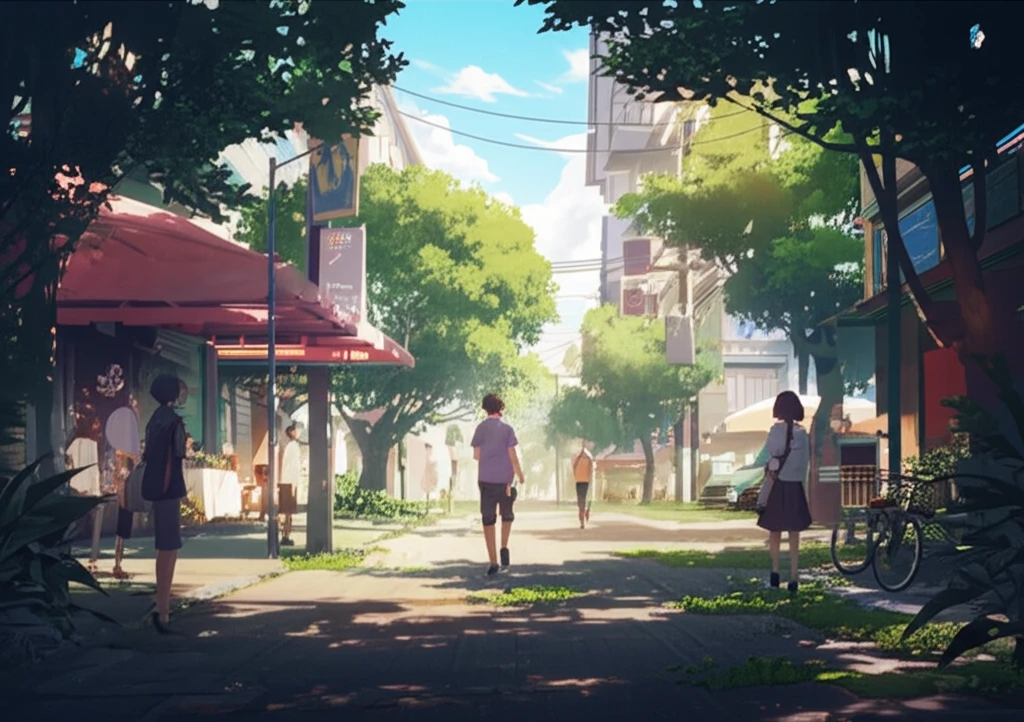
Imagine strolling through your city, not just following a GPS route, but intuitively choosing paths based on the charm of a tree-lined street or the inviting atmosphere of a pedestrian-friendly zone. This 'local perception'—how we experience our immediate surroundings—is now taking center stage in urban planning, promising to reshape our cities into more human-centered spaces.
Traditionally, urban planning relies on broad data, overlooking the nuances of how individuals interact with their environment. But, what if we could design cities that respond to our innate preferences, creating spaces that feel both functional and delightful? Groundbreaking research is exploring this very concept, and the results are transformative.
One recent study delves into the dynamics of pedestrian path choices, revealing that we're not just driven by efficiency; we're also significantly influenced by factors like visual appeal, sidewalk width, and the presence of greenery. By understanding these 'local' cues, urban planners can create environments that encourage walking, enhance community engagement, and ultimately, improve our quality of life.
The Science of the Stroll: Unpacking Local Perception
At the heart of this movement lies the idea that our decisions aren't solely based on rational calculations. The global perception that is what we already know and how its effective to us to get from A to B, plays a part in our walk but the small elements matter more.
- Visual Appeal: Green spaces, attractive storefronts, and well-maintained buildings entice pedestrians.
- Comfort and Safety: Wide sidewalks, pedestrian crossings, and traffic calming measures contribute to a sense of security.
- Accessibility: Smooth surfaces, clear signage, and accessible amenities make walking easier for everyone.
Reimagining Our Cities, One Step at a Time
The integration of local perception into urban planning marks a significant step towards creating people-centric cities. By prioritizing the pedestrian experience, we can foster healthier, more vibrant communities that are a joy to explore. It's about transforming our urban landscapes from mere grids of concrete and asphalt into dynamic, engaging spaces that reflect our human needs and aspirations. And its just about taking one step at time in the correct direction, with an open mind.