
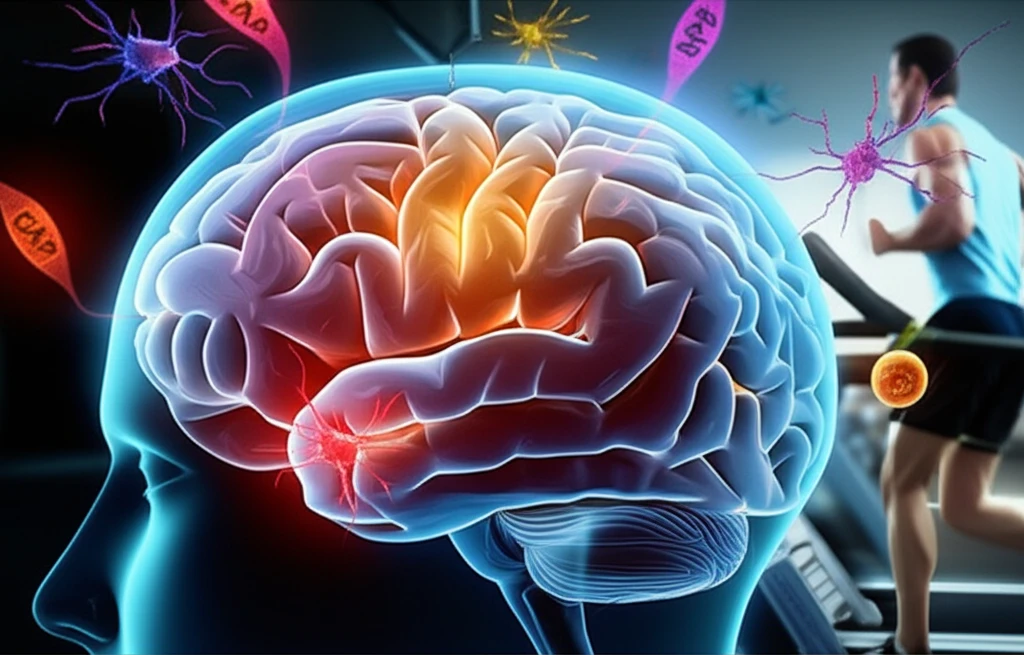
Unlock Your Brain's Potential: How Exercise Duration Impacts Brain Health

"Discover the surprising effects of short versus longer workouts on key brain proteins and cognitive function."
In today's fast-paced world, prioritizing brain health is more critical than ever. Neurodegenerative diseases are on the rise, making proactive steps to maintain cognitive function essential. While factors like genetics and age play a role, lifestyle choices, particularly exercise, can significantly impact brain health.
Exercise isn't just about physical fitness; it's a powerful tool for enhancing brain plasticity, the brain's ability to adapt and form new connections. This adaptability is crucial for learning, memory, and overall cognitive function. Glial cells, especially astrocytes, play a key role in this process, supporting nerve cells and maintaining a healthy brain environment.
Recent research sheds light on how different durations of moderate-intensity aerobic exercise affect specific proteins in the brain, namely Glial Fibrillary Acidic Protein (GFAP) and Heat Shock Protein 27 (HSP27). These proteins serve as indicators of astrocyte reactivity, offering insights into how exercise influences brain health at a cellular level.
The 10-Minute vs. 30-Minute Workout: Which Benefits Your Brain More?
A study published in the Medical Journal of Indonesia investigated the impact of acute moderate-intensity aerobic exercise on plasma GFAP and HSP27 concentrations in young adults. Researchers compared two exercise durations: 10 minutes versus 30 minutes, both performed on a static bicycle. The goal was to determine if different exercise durations elicit varying responses in these key brain proteins.
- GFAP (Glial Fibrillary Acidic Protein): A protein found in astrocytes, essential for synaptic plasticity and overall brain health. Lower levels after exercise may indicate reduced astrocyte reactivity and improved brain function.
- HSP27 (Heat Shock Protein 27): Acts as a chaperone, preventing protein aggregation and protecting cells from stress. Changes in HSP27 levels can reflect how the brain responds to the demands of exercise.
- Moderate-Intensity Aerobic Exercise: Controlled exercise at 64-74% of maximum heart rate.
The Takeaway: Tailor Your Workout for Optimal Brain Benefits
This research highlights the importance of tailoring exercise duration to maximize brain health benefits. While both 10-minute and 30-minute sessions offer advantages, they appear to influence different brain proteins. Incorporating both short bursts and longer sessions into your routine might provide a comprehensive approach to supporting cognitive function and protecting against neurodegenerative diseases. Listen to your body and find what works best for you to unlock your brain's full potential.