
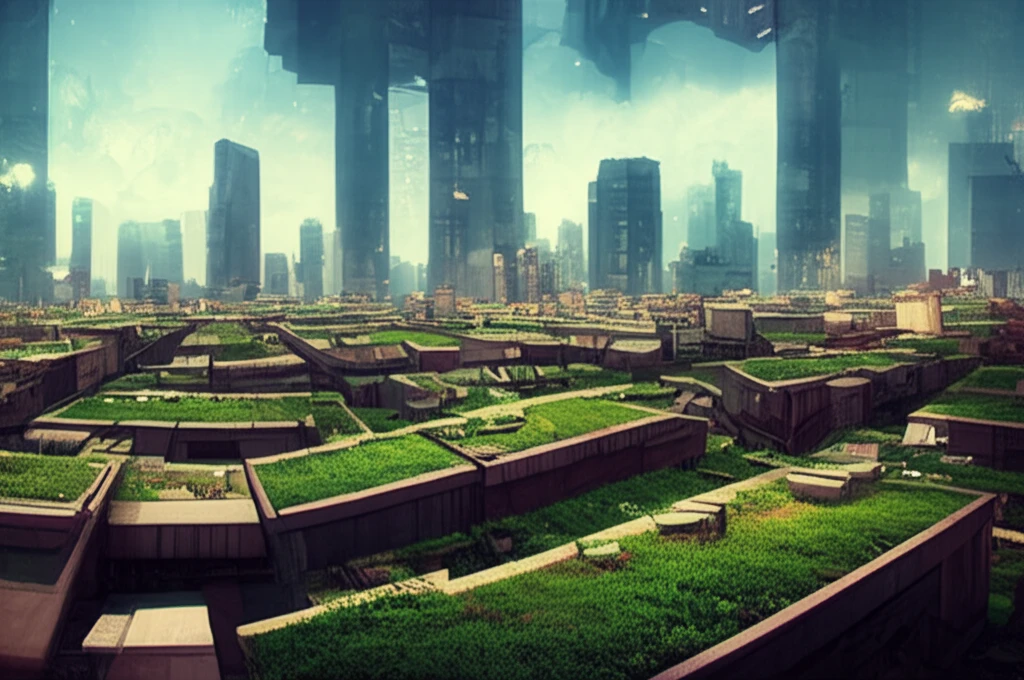
Lush green roofs transforming a cityscape.

Unlock the Green: How Extensive Green Roofs Can Transform City Living

"Discover the secrets of extensive green roofs and their power to revolutionize urban sustainability in densely populated cities like Hong Kong."


In the face of increasing environmental challenges, cities worldwide are seeking innovative solutions to enhance sustainability and improve quality of life. One such solution gaining traction is the implementation of green roof systems. These vegetated rooftops offer a multitude of benefits, from reducing urban heat to improving air quality and managing stormwater runoff. Particularly in densely populated urban areas, green roofs present a unique opportunity to address environmental concerns and create more livable environments.

Green roofs are not a new concept; their origins can be traced back to ancient times. However, modern green roof technology has evolved significantly, driven by advancements in materials, construction techniques, and ecological understanding. Today, green roofs are recognized as a key component of sustainable urban development, offering a practical and aesthetically pleasing way to mitigate the environmental impacts of urbanization.

This article delves into the world of extensive green roofs, exploring their potential to transform city living and contribute to sustainable development. By examining the experiences of cities like Hong Kong, we uncover the benefits, challenges, and opportunities associated with implementing these green spaces in densely populated urban environments. Join us as we unlock the secrets of extensive green roofs and discover how they can pave the way for a greener, more resilient future.

Extensive vs. Intensive: Choosing the Right Green Roof for Your Needs

Lush green roofs transforming a cityscape.

Before diving into the benefits and implementation of extensive green roofs, it's important to distinguish them from their intensive counterparts. Both types of green roofs offer environmental advantages, but they differ significantly in terms of design, maintenance, and functionality. Understanding these differences is crucial for selecting the right green roof system for your specific needs and goals.

Extensive green roofs are characterized by their shallow soil depth, lightweight design, and low maintenance requirements. They typically feature drought-resistant plants such as sedums and grasses, which thrive in harsh conditions and require minimal irrigation. Extensive green roofs are generally inaccessible to the public and are primarily designed to provide environmental benefits such as stormwater management, insulation, and habitat creation.

  • Lower Installation and Maintenance Costs: Due to their simple design and minimal maintenance needs, extensive green roofs are a cost-effective option for large-scale implementation.
  • Lightweight Design: The shallow soil depth and lightweight materials make extensive green roofs suitable for a wide range of buildings, including those with limited structural capacity.
  • Environmental Benefits: Extensive green roofs effectively mitigate stormwater runoff, reduce the urban heat island effect, and provide habitat for pollinators and other wildlife.
In contrast, intensive green roofs are more akin to traditional rooftop gardens, with deeper soil depths, a wider variety of plants, and higher maintenance requirements. They can support trees, shrubs, and even vegetable gardens, providing recreational space and aesthetic appeal. However, intensive green roofs are heavier, more expensive to install and maintain, and require a structurally sound building to support the additional weight.

The Future is Green: Embracing Extensive Green Roofs for a Sustainable Tomorrow

Extensive green roofs hold immense potential for transforming city living and creating more sustainable urban environments. By understanding their benefits, addressing the challenges to implementation, and embracing supportive policies, cities can unlock the full potential of these green spaces. As we move towards a future where sustainability is paramount, extensive green roofs offer a practical and effective solution for building greener, more resilient, and more livable cities for all.

About this Article -

This article was crafted using a human-AI hybrid and collaborative approach. AI assisted our team with initial drafting, research insights, identifying key questions, and image generation. Our human editors guided topic selection, defined the angle, structured the content, ensured factual accuracy and relevance, refined the tone, and conducted thorough editing to deliver helpful, high-quality information.See our About page for more information.

Everything You Need To Know

1

What distinguishes extensive green roofs from intensive green roofs, and why is this distinction important for urban planning?

Extensive green roofs differ from intensive green roofs primarily in soil depth, weight, maintenance needs, and plant variety. Extensive green roofs feature shallow soil, lightweight design, and low maintenance, typically using drought-resistant plants like sedums and grasses. They're designed for environmental benefits such as stormwater management and insulation. Intensive green roofs, on the other hand, resemble rooftop gardens with deeper soil, diverse plants (including trees and vegetables), and higher maintenance. Understanding these differences is crucial because it affects the cost, structural requirements, and functionality of the green roof system, influencing which type is suitable for specific buildings and urban planning goals. This choice impacts the scale and type of environmental benefits a city can achieve.

2

In what ways do extensive green roofs contribute to mitigating environmental challenges in densely populated cities such as Hong Kong?

Extensive green roofs mitigate environmental challenges in densely populated cities by reducing the urban heat island effect through insulation and evapotranspiration, improving air quality by absorbing pollutants, and managing stormwater runoff, which reduces strain on drainage systems. These roofs also provide habitats for pollinators and other wildlife, enhancing urban biodiversity. In a city like Hong Kong, where space is limited and environmental pressures are high, extensive green roofs offer a cost-effective way to address multiple environmental concerns simultaneously.

3

What are the key benefits of using extensive green roofs, and how do these benefits contribute to sustainable urban development?

The key benefits of extensive green roofs include lower installation and maintenance costs due to their simple design, lightweight construction that suits a wide range of buildings, and significant environmental advantages. They are effective in mitigating stormwater runoff, reducing the urban heat island effect, and providing habitats for wildlife. These benefits contribute to sustainable urban development by creating greener, more resilient cities, reducing environmental impacts, and improving the quality of life for residents.

4

What considerations should be taken into account when deciding if extensive green roofs are the right choice for a building project versus other options?

When deciding if extensive green roofs are suitable for a building project, consider the building's structural capacity, budget constraints, and desired level of maintenance. Extensive green roofs are ideal for buildings with limited structural capacity due to their lightweight design. They are also cost-effective due to lower installation and maintenance requirements. If the primary goal is environmental benefits like stormwater management and insulation rather than recreational space or aesthetic appeal, extensive green roofs are a practical choice. However, if a rooftop garden with diverse plants and recreational use is desired, intensive green roofs may be more appropriate, despite the higher costs and structural demands.

5

How might government policies and incentives facilitate the wider adoption of extensive green roofs in urban areas, and what are some potential challenges to their implementation?

Government policies and incentives can promote the adoption of extensive green roofs through financial incentives like tax breaks or subsidies, zoning regulations that mandate or encourage green roof construction, and educational programs that raise awareness of their benefits. Potential challenges to implementation include initial installation costs, concerns about the structural integrity of buildings, and a lack of awareness or expertise among building owners and developers. Overcoming these challenges requires supportive policies, clear guidelines, and collaborative efforts between government, industry, and the community to demonstrate the long-term value and feasibility of extensive green roofs.

Newsletter Subscribe

Subscribe to get the latest articles and insights directly in your inbox.