
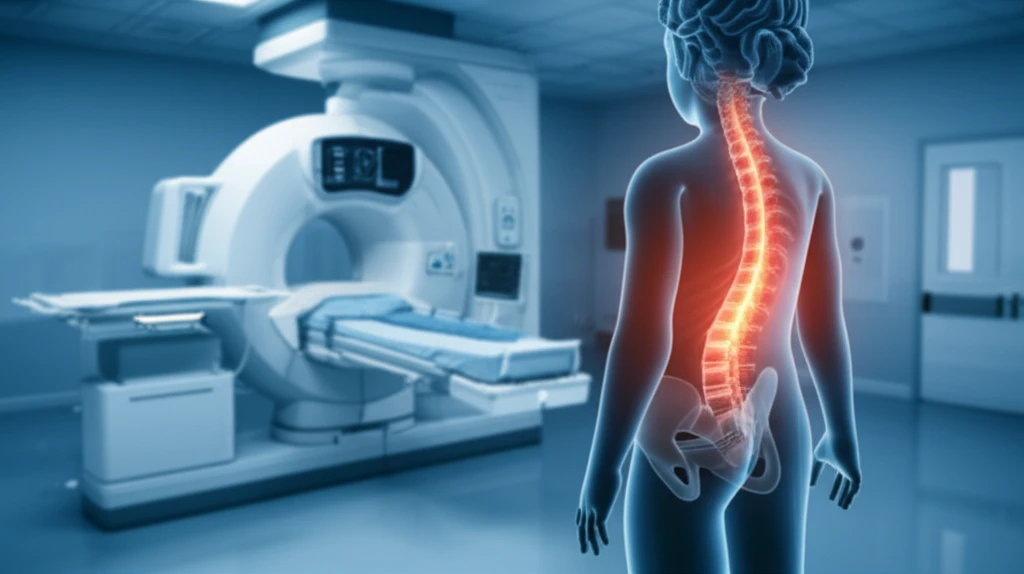
Illustration of a child's spine with a highlighted psoas muscle showing infection.

Uncommon Ailments: Spotting Psoas Abscess and Spinal Osteomyelitis in Young Patients

"Learn about the subtle signs, diagnostic paths, and treatment strategies for psoas abscesses and spinal osteomyelitis in children to ensure prompt and effective care."


Psoas abscess is a rare condition in children, characterized by an infected collection of pus in the psoas muscle, located in the lower back. Due to its infrequent occurrence and vague symptoms, diagnosis can be challenging. However, early recognition and treatment are crucial to prevent severe complications.

These abscesses are generally classified as either primary or secondary. Primary abscesses occur when the infection spreads through the bloodstream or lymphatic system to the psoas muscle from a distant site. Secondary abscesses arise from the spread of infection from nearby structures, such as the spine, gastrointestinal tract, or urinary system.

A recent case highlights the complexities of diagnosing and managing psoas abscesses, particularly when associated with spinal osteomyelitis, an infection of the vertebral bones. The case involves a 14-year-old boy without typical risk factors, emphasizing the need for vigilance and advanced diagnostic imaging.

What are the Subtle Clues in Diagnosing Psoas Abscess and Spinal Osteomyelitis?

Illustration of a child's spine with a highlighted psoas muscle showing infection.

The case involved a 14-year-old male who presented with lower back pain radiating to his left leg. Initially, he received outpatient treatment with anti-inflammatories and muscle relaxants, which did not alleviate his symptoms. Upon admission, he had difficulty walking and reported diffuse abdominal pain, but no fever or history of trauma was present. This absence of typical symptoms complicated the initial diagnosis.

To diagnose his condition effectively, doctors considered several possibilities before pinpointing the issue:

  • Ruling Out Common Issues: Initially, common conditions like appendicitis and hip arthritis were considered and excluded through detailed examinations and preliminary tests.
  • Imaging Techniques: Standard X-rays didn't show clear signs of an abscess or bone infection. An MRI was crucial in revealing osteomyelitis in the L2 vertebral body and an abscess in the left psoas muscle.
  • Blood Tests: Initial lab results showed elevated white blood cell counts, which, while not specific, indicated an infection. Further blood cultures confirmed the presence of methicillin-resistant Staphylococcus aureus (MRSA).
This case underscores the importance of advanced imaging, such as MRI, in diagnosing psoas abscesses, especially when initial symptoms are misleading or subtle. The integration of clinical evaluation with detailed imaging is essential for accurate diagnosis and timely intervention.

Why Early Treatment Matters

Early diagnosis and treatment, including antibiotics and, in some cases, drainage, are crucial in managing psoas abscesses and spinal osteomyelitis. This case reinforces the need for clinicians to maintain a high index of suspicion for these conditions in children presenting with back pain, even in the absence of typical signs and symptoms. Prompt and appropriate intervention can significantly reduce morbidity and improve outcomes.

About this Article -

This article was crafted using a human-AI hybrid and collaborative approach. AI assisted our team with initial drafting, research insights, identifying key questions, and image generation. Our human editors guided topic selection, defined the angle, structured the content, ensured factual accuracy and relevance, refined the tone, and conducted thorough editing to deliver helpful, high-quality information.See our About page for more information.

Everything You Need To Know

1

What is a psoas abscess?

Psoas abscess is a rare condition in children characterized by an infected collection of pus within the psoas muscle, located in the lower back. The psoas muscle is a large muscle that helps with hip flexion and spine stabilization. Its rarity and the subtlety of symptoms make diagnosis challenging. This can lead to delayed treatment and potentially severe complications.

2

What is spinal osteomyelitis?

Spinal osteomyelitis is an infection of the vertebral bones, which can be particularly dangerous in children. It can lead to serious complications such as permanent neurological damage or spinal deformities. Early detection and treatment are critical to prevent such outcomes. Treatment strategies include antibiotics and, in some cases, drainage. In the presented case, an MRI was crucial in revealing osteomyelitis in the L2 vertebral body.

3

What are the subtle clues in diagnosing psoas abscess and spinal osteomyelitis?

Several subtle clues can help diagnose psoas abscess and spinal osteomyelitis. Initially, the case involved a 14-year-old male presenting with lower back pain that radiated to his left leg. The patient also reported diffuse abdominal pain, with no fever. The absence of typical symptoms complicated the initial diagnosis. Doctors considered possibilities such as appendicitis and hip arthritis, excluding them through examinations and preliminary tests. Advanced imaging techniques, specifically MRI, played a crucial role. Blood tests, like elevated white blood cell counts, indicated an infection. Further blood cultures confirmed the presence of methicillin-resistant Staphylococcus aureus (MRSA).

4

Why is early treatment important for psoas abscesses and spinal osteomyelitis?

Early treatment is crucial for psoas abscesses and spinal osteomyelitis because these conditions can cause severe complications. Prompt intervention can reduce morbidity and improve outcomes. Treatment includes antibiotics and sometimes drainage. Early diagnosis and treatment are particularly important to prevent the spread of infection and minimize potential long-term damage, such as permanent neurological issues or spinal deformities.

5

What does the diagnostic process involve for these conditions?

The diagnostic process involves a combination of clinical evaluation and advanced imaging. Initial steps involve ruling out common issues. Standard X-rays may not show clear signs of the abscess or bone infection. MRI is crucial for revealing osteomyelitis in the vertebral body and an abscess in the psoas muscle. Blood tests, such as white blood cell counts and cultures, help confirm the presence of an infection and identify the specific bacteria, such as methicillin-resistant Staphylococcus aureus (MRSA).

Newsletter Subscribe

Subscribe to get the latest articles and insights directly in your inbox.