
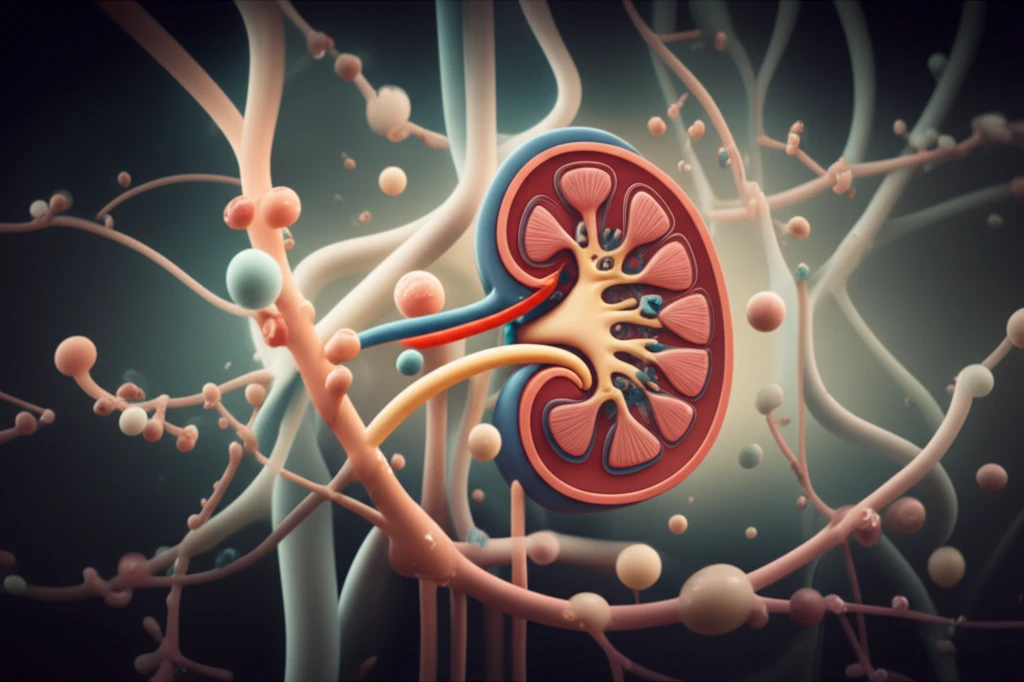
Tuberous Sclerosis and the Kidneys: What Parents Need to Know

"Understanding the Renal Manifestations of Tuberous Sclerosis Complex (TSC) in Children: A Guide for Parents and Caregivers"
Tuberous sclerosis (TS), now known as tuberous sclerosis complex (TSC), is a neurocutaneous disorder that brings a unique set of challenges. It's characterized by mental retardation, epilepsy, and facial angiofibromas, and while rare (affecting approximately 1 in 6000 live births), TSC is a significant cause of mental retardation accompanied by severe epilepsy. What many parents may not realize is that TSC's manifestations extend beyond the brain and skin, impacting vital organs such as the eyes, heart, lungs, and kidneys.
This article focuses on the renal (kidney-related) aspects of TSC. The kidneys are frequently affected in TSC, leading to a range of potential issues like angiomyolipomas (AMLs), renal cysts, nephrocalcinosis, and even impaired renal function. Understanding these potential complications is crucial for proactive monitoring and management of your child's health.
Drawing from a case study of two children with TSC, this guide aims to provide clear, accessible information about the renal manifestations of TSC, empowering you to work closely with your child's healthcare team and ensure the best possible care.
How Does Tuberous Sclerosis Affect the Kidneys?
The kidneys are a common target for TSC, with several possible complications that can arise. The most frequently seen renal issues are angiomyolipomas (AMLs) and renal cysts. AMLs are non-cancerous tumors composed of blood vessels, smooth muscle, and fat cells. Renal cysts are fluid-filled sacs that can develop in the kidneys.
- Angiomyolipomas (AMLs): These are the most common renal manifestation. While typically benign, they can grow and potentially rupture, leading to bleeding.
- Renal Cysts: Fluid-filled sacs within the kidneys, which can vary in size and number.
- Nephrocalcinosis: Calcium deposits form in the kidneys.
- Hypertension: High blood pressure, which can be both a cause and consequence of kidney problems.
- Impaired Renal Function: A decline in the kidneys' ability to filter waste, potentially leading to renal failure.
Long-Term Monitoring and What It Means for Your Child
The good news is that while renal manifestations are common in TSC, severe outcomes are rare. However, consistent, long-term follow-up is essential for managing potential complications and preserving kidney function.
The case studies highlighted earlier emphasize the importance of regular renal ultrasound examinations, even if initial scans are normal. In one case, a patient had a normal ultrasound at age 18, but follow-up scans revealed multiple, small AMLs at age 20. This underscores the need for ongoing vigilance throughout adulthood.
Work closely with your child's nephrologist to establish a surveillance plan that includes regular imaging and monitoring of kidney function. Early detection and intervention can significantly improve outcomes and ensure a good quality of life for your child.