
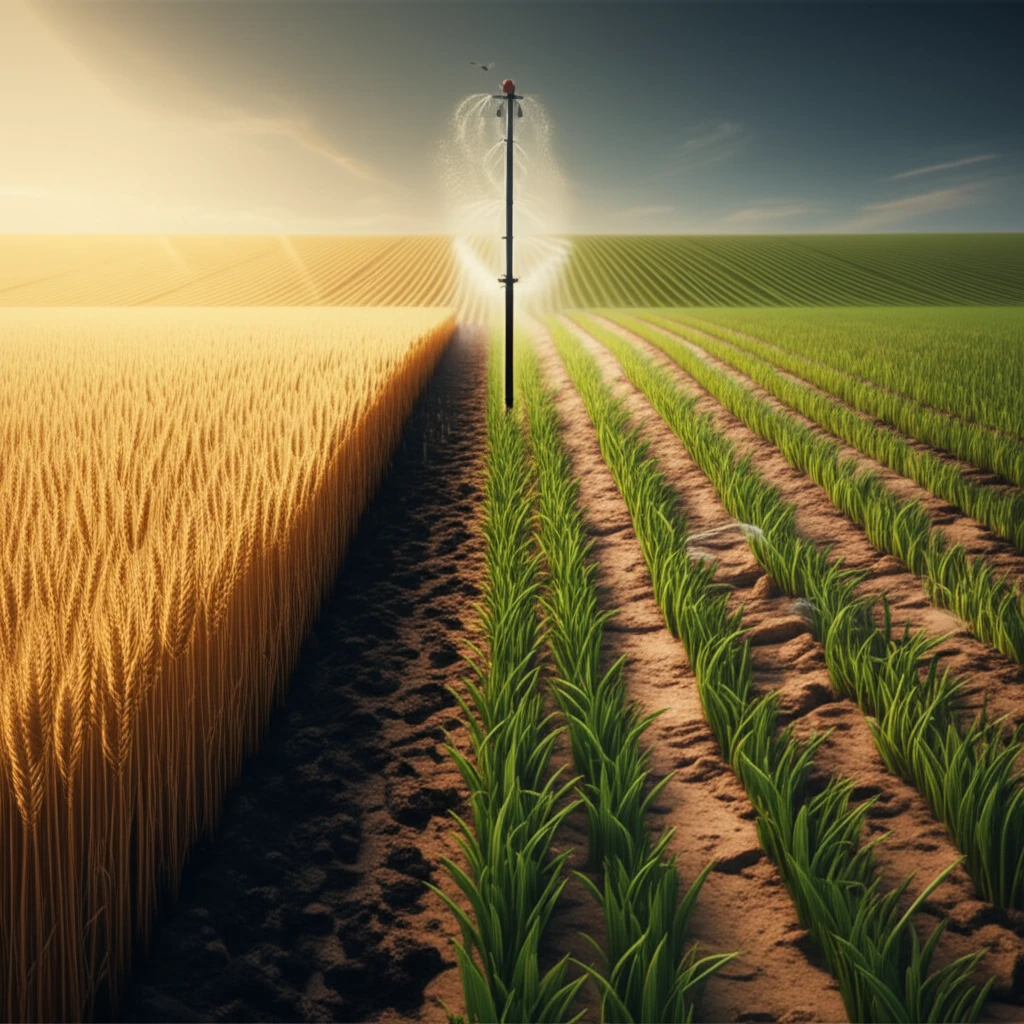
The Ultimate Guide to Soil Health: How Tillage Practices Impact Your Wheat Yield

"Unlock the secrets to optimizing your farm's soil with our in-depth analysis of tillage methods, water balance, and wheat production under irrigated conditions. Discover how zero tillage, bed planting, and conventional methods stack up!"
In the face of a growing global population, the challenge of boosting food production from our existing agricultural lands is more critical than ever. A key factor in meeting this demand lies in enhancing the quality of our natural resources and adopting farming practices that not only increase crop yields but also promote long-term environmental sustainability. This is especially true for marginal and degraded lands, where improvements can make a significant difference.
One of the most influential aspects of agricultural management is the method of tillage—how the soil is prepared for planting. Selecting the right tillage system can lead to a cascade of benefits, improving soil health, boosting crop productivity, and fostering a healthier ecosystem. Different tillage methods affect everything from soil structure and water retention to nutrient availability and overall environmental impact.
This article delves into the complexities of tillage and its effects on soil physical properties, water balance, and wheat yield under irrigated conditions. By exploring the nuances of zero tillage, bed planting, and conventional tillage systems, we aim to provide farmers and agricultural enthusiasts with a comprehensive understanding of how these practices influence crop production and environmental sustainability. Read on to discover the strategies that can help you optimize your soil management and achieve higher, more sustainable yields.
Tillage Techniques: What's the Difference?
Tillage is the agricultural practice of preparing soil for planting by mechanically agitating it. Different methods achieve various goals, such as weed control, incorporating soil amendments, and creating a suitable seedbed. However, these methods also have distinct impacts on the soil's physical properties, which in turn affect water infiltration, nutrient availability, and overall crop health.
- Zero Tillage (ZT): This method involves planting crops directly into undisturbed soil, with minimal soil disturbance. It is often used in combination with other conservation practices, such as cover cropping and crop rotation.
- Bed Planting (BPW): In this system, crops are planted on raised beds, typically with furrows between the beds for irrigation. This can improve water management, reduce soil compaction, and enhance root aeration.
- Conventional Tillage (CT): This involves extensive soil disturbance through plowing, harrowing, and other mechanical operations. While it can create a fine seedbed and control weeds effectively, it can also lead to soil erosion, compaction, and reduced water infiltration.
Cultivating a Sustainable Future
The journey toward sustainable agriculture requires a nuanced understanding of soil management practices. By carefully selecting tillage methods that enhance soil health, optimize water balance, and improve crop yields, we can pave the way for a more resilient and productive agricultural landscape. Whether you're a seasoned farmer or an eco-conscious consumer, embracing these strategies is a step toward ensuring food security and environmental stewardship for future generations.