
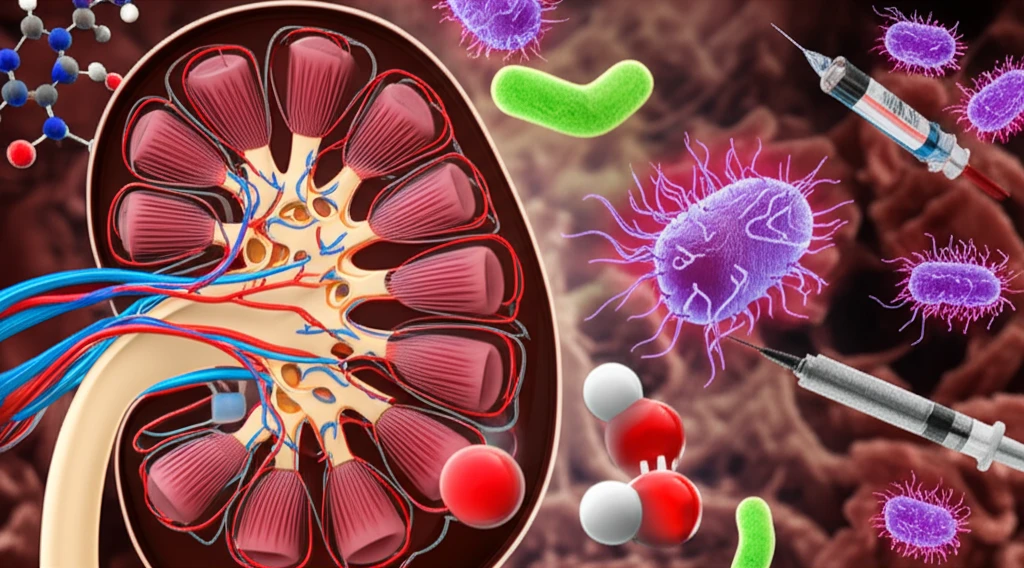
The Hidden Threat: How Heroin Use Can Lead to a Rare Kidney Disease

"Unveiling the Link Between Heroin, Infections, and Secondary Amyloidosis"
In a world grappling with the opioid epidemic, the devastating effects of heroin use extend far beyond the immediate dangers of overdose. Emerging research reveals a hidden threat: the potential for long-term health complications, including a rare but serious kidney disease called secondary amyloidosis. This condition, often triggered by chronic infections, can significantly impact the lives of those struggling with substance abuse.
Secondary amyloidosis is a condition where abnormal proteins accumulate in various organs, leading to organ damage and dysfunction. While it can arise from various underlying causes, chronic infections, particularly those common among individuals who use intravenous drugs, are a significant trigger. This article aims to shed light on this lesser-known consequence of heroin use, highlighting the risks and emphasizing the importance of awareness and early intervention.
Understanding the link between heroin use, recurrent infections, and secondary amyloidosis is crucial for both individuals struggling with addiction and healthcare professionals. By raising awareness, we can improve early detection, promote effective treatment, and ultimately, save lives. This article will delve into the details of this condition, providing valuable insights into its causes, symptoms, and the steps that can be taken to mitigate its impact.
Unraveling Secondary Amyloidosis: The Culprit and Its Consequences
Secondary amyloidosis (AA amyloidosis) is a condition characterized by the buildup of abnormal proteins called amyloid fibrils in various organs and tissues. These fibrils are formed from a protein called serum amyloid A (SAA), which is produced in the liver during periods of inflammation. Chronic inflammation, often stemming from persistent infections, is a major driver of AA amyloidosis.
- Kidney Damage: The kidneys are the most commonly affected organs, leading to proteinuria (protein in the urine) and kidney failure.
- Liver and Spleen Enlargement: Amyloid deposits can cause these organs to enlarge, disrupting their normal function.
- Heart Problems: Amyloidosis can lead to heart failure and arrhythmias.
- Gastrointestinal Issues: The digestive system may be affected, leading to malabsorption, diarrhea, and bleeding.
- Neuropathy: Nerve damage can occur, causing pain, numbness, and weakness.
Taking Action: Prevention, Treatment, and Support
Addressing the link between heroin use and secondary amyloidosis requires a multi-faceted approach. Prevention efforts should focus on reducing the risk of substance abuse through education, access to treatment, and harm reduction strategies. Early detection through routine screenings and awareness among healthcare providers is crucial. Treatment involves managing the underlying infections, suppressing inflammation, and providing supportive care for organ damage. Furthermore, individuals struggling with addiction need access to comprehensive treatment programs, including medication-assisted treatment and behavioral therapies. By working together, we can mitigate the devastating consequences of heroin use and protect the health and well-being of those affected.