
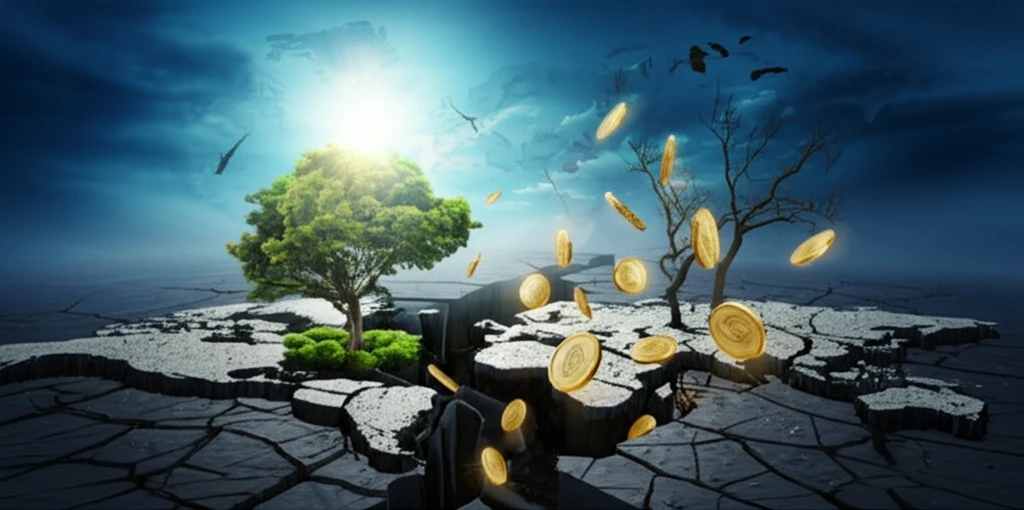
A world map crumbling due to environmental destruction, symbolizing economic risks.

The Hidden Costs: Why Ignoring Nature Could Bankrupt the Economy

"How overlooking environmental sustainability might lead to financial downfall."


In an era defined by rapid industrialization and technological advancement, it's easy to overlook the foundational role nature plays in our economic systems. From the air we breathe to the resources we extract, nature provides essential inputs that drive economic activity. But what happens when we neglect to account for the true cost of environmental degradation?

Geoffrey Heal, in his book Endangered Economies: How the Neglect of Nature Threatens Our Prosperity, delves into this critical intersection, arguing that our current economic models often fail to capture the profound impact of environmental factors. This oversight, he suggests, could lead to significant economic instability and long-term financial risks.

By exploring various facets of environmental economics, Heal presents a compelling case for integrating ecological considerations into economic policy. Let's unpack the hidden costs of ignoring nature and discover why a sustainable approach is vital for economic prosperity.

Why External Costs Matter

A world map crumbling due to environmental destruction, symbolizing economic risks.

One of the central themes in environmental economics is the concept of external costs. These are costs that aren't reflected in the market price of goods and services, but are instead borne by society or the environment. Think about a factory that pollutes a river: the cost of that pollution—damage to ecosystems, health problems for local residents—isn't paid by the factory, but by others. These unpaid costs distort the economy, leading to overproduction and consumption of environmentally damaging goods.

To create a truly sustainable economy, Heal argues, we need to ensure that these external costs are internalized. This means making polluters pay for the damage they cause, either through taxes, regulations, or other mechanisms. Here are a few areas that need the most attention:

  • Pollution: Industries should be held accountable for the environmental and health impacts of their emissions and waste.
  • Resource Depletion: The cost of extracting resources should reflect their scarcity and the environmental damage caused by extraction.
  • Climate Change: Carbon emissions should be priced to reflect the long-term costs of global warming, incentivizing cleaner energy sources.
By aligning economic incentives with environmental realities, we can steer the economy towards more sustainable practices. For instance, carbon pricing, or 'cap and trade' mechanisms have the potential to drive a shift away from fossil fuels and encourages investments in renewable energy sources.

The Path to a Sustainable Future

Ignoring the environment has far-reaching effects. Recognizing nature's role in our economic system may seem idealistic, however, if implemented can boost economic value in the long run. Ignoring the environment puts economies in danger of a future economic crisis.

About this Article -

This article was crafted using a human-AI hybrid and collaborative approach. AI assisted our team with initial drafting, research insights, identifying key questions, and image generation. Our human editors guided topic selection, defined the angle, structured the content, ensured factual accuracy and relevance, refined the tone, and conducted thorough editing to deliver helpful, high-quality information.See our About page for more information.

Everything You Need To Know

1

What is the core argument presented regarding the link between nature and economic stability?

The core argument, as presented by Geoffrey Heal in *Endangered Economies: How the Neglect of Nature Threatens Our Prosperity*, is that neglecting environmental factors in economic models can lead to significant economic instability and long-term financial risks. The book emphasizes the critical intersection of nature and economic systems, highlighting that overlooking nature's role and failing to account for the costs of environmental degradation can have detrimental effects on economic prosperity. The implication is that a sustainable approach is not just environmentally sound, but also economically vital for the future.

2

What are 'external costs' and how do they negatively impact the economy, according to the context?

External costs, as defined within the context, are costs that are not reflected in the market price of goods and services, but are borne by society or the environment. Examples include pollution damage or resource depletion costs. These unpaid costs distort the economy, leading to overproduction and consumption of environmentally damaging goods. A factory polluting a river, for example, doesn't pay for the ecological damage or health problems caused; these are external costs. Heal argues that these costs lead to an unsustainable economy, ultimately harming long-term economic stability.

3

How can industries be held accountable for their environmental impact, as suggested by the path to a sustainable future?

Industries can be held accountable through several mechanisms. One crucial step is to internalize external costs. This can be achieved by making polluters pay for the damage they cause, whether through taxes, regulations, or other mechanisms. Industries should be held accountable for the environmental and health impacts of their emissions and waste. The cost of extracting resources should reflect their scarcity and the environmental damage caused by extraction. Furthermore, carbon emissions should be priced to reflect the long-term costs of global warming, which incentivizes cleaner energy sources. This approach aligns economic incentives with environmental realities, promoting sustainable practices like carbon pricing and 'cap and trade' systems.

4

Why is incorporating environmental costs into economic strategies considered essential for a sustainable future?

Incorporating environmental costs into economic strategies is essential because ignoring nature's role puts economies at risk of future economic crises. By neglecting the environment, the true costs of production and consumption are not accounted for, leading to an unsustainable cycle of environmental degradation and economic instability. When external costs like pollution and resource depletion are not considered, the economy overproduces environmentally damaging goods. Integrating environmental considerations ensures that the long-term costs of environmental damage are addressed, fostering a more stable and prosperous future. Implementing such measures as advocated by Geoffrey Heal in *Endangered Economies: How the Neglect of Nature Threatens Our Prosperity* is crucial for boosting long-term economic value.

5

What are some real-world implications if we fail to address the hidden costs of ignoring nature?

Failing to address the hidden costs of ignoring nature leads to several serious implications. The most significant is the risk of economic instability and potential financial downfall. Overlooking the environmental impact of industries and economic activities means that the true costs of production and consumption are not reflected in market prices. This results in overproduction and consumption of environmentally damaging goods. The implications include increased pollution, resource depletion, and exacerbated climate change impacts. Eventually, these issues can cause economic crises. By recognizing the crucial link between nature and economic stability, we can work to reverse this trend.

Newsletter Subscribe

Subscribe to get the latest articles and insights directly in your inbox.