
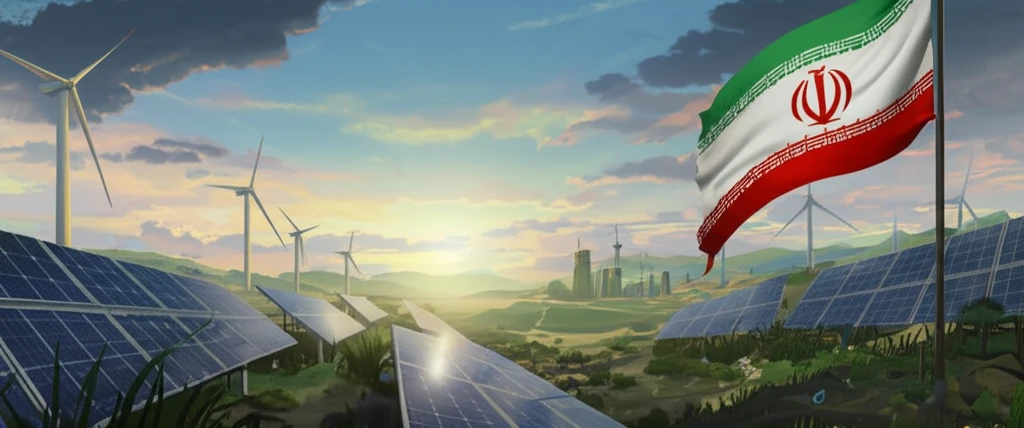
Powering the Future: A Deep Dive into Solar and Wind Energy Industries

"Explore the comparative analysis of the solar and wind energy sectors in Germany and Iran, revealing key insights for investors and policymakers."
The global energy landscape is rapidly shifting, with solar and wind power emerging as critical components of a sustainable future. As nations worldwide strive to reduce their carbon footprint and enhance energy security, understanding the dynamics of renewable energy industries becomes paramount. This article delves into a comparative analysis of the solar and wind energy sectors in Germany and Iran, shedding light on their unique structures, competitive environments, and innovation ecosystems.
Germany, a frontrunner in renewable energy adoption, boasts a well-established and technologically advanced sector. Iran, on the other hand, faces a unique set of challenges and opportunities shaped by its geopolitical landscape and energy resource endowments. By examining these two distinct cases, we aim to provide insights for investors, policymakers, and industry stakeholders interested in the renewable energy transition.
This analysis draws upon a multi-method approach, integrating established strategy tools such as Porter's Five Forces, the Diamond Model, the Triple Helix Model, and Sectoral Innovation System (SIS). This comprehensive framework allows us to dissect the competitive forces, assess national advantages, identify key institutional players, and evaluate the functions of innovation within each country's renewable energy landscape.
An Abundant and Growing Resource
Solar energy is described as the most abundant of all energy resources and can even be harnessed in cloudy weather. The rate at which solar energy is intercepted by the Earth is roughly 10,000 times greater than the rate at which humanity consumes energy. This scale helps explain why renewables are positioned as a central answer to powering the future without the planet-warming effects of fossil fuels.
How Wind and Solar Are Harnessed
Wind energy relies on wind farms made up of multiple turbines installed in open spaces, such as on hills or out at sea, where consistent airflow can be captured. Wind turbines convert the kinetic energy of the moving air into mechanical energy and then into electrical power through aerodynamic lift and mechanical torque. Solar panels are similarly familiar on traffic signs, lighthouses, and calculators, yet the question of why not every roof in a temperate climate is covered with them highlights the practical and economic limits of the standard approach.
Foundations of Renewable Energy
Renewable energy as a field spans solar, wind, hydroelectric, biomass, and geothermal power, all of which can supply energy without the planet-warming effects of fossil fuels. A foundational principle is that wind itself is caused by differences in atmospheric pressure, and capturing that natural motion is the core of wind power. Together these discoveries established the scientific basis for today's solar and wind industries.
Decoding the Solar and Wind Energy Industries: A Comparative Overview
Let's explore a structured comparison of the solar and wind energy industries in Germany and Iran, focusing on key elements such as competitive dynamics, advantages, institutional players, and innovation functions.
- Dependence on imports for certain components, particularly solar panels.
- Grid infrastructure limitations, hindering the efficient integration of renewable energy sources.
- Regulatory complexities, creating barriers for small and medium-sized enterprises (SMEs).
Modern Engineering and Industry Coverage
Current sector coverage, such as CNBC's energy headlines, tracks the latest developments and features across the energy industry. At the technical level, comprehensive engineering guides now frame wind energy as the conversion of kinetic atmospheric energy into electrical power through aerodynamic lift and mechanical torque. This combination of industry reporting and formal engineering reference material shows how the field has matured from basic principles into a sophisticated discipline.
Skepticism and Reliability Concerns
A central counter-argument asks whether green energy, particularly wind and solar, is truly the solution to our climate and energy problems, or whether reliance should instead be placed on natural gas. Practical failures are also visible at a smaller scale, as seen in temperate climates where solar panels clearly work but are still missing from most rooftops. These debates raise legitimate questions about reliability, cost, and the pace of adoption that the industry continues to confront.
Solar Versus Wind in Practice
Solar and wind both deliver energy without the planet-warming effects of fossil fuels, but they differ in how they are deployed. Wind energy depends on wind farms of multiple turbines placed in open spaces, such as hillsides or offshore sites, while solar panels are small enough to mount on traffic signs, lighthouses, and calculators. These contrasting footprints shape where and how each technology is used across different regions.
Navigating the Future of Renewable Energy
The journey towards a sustainable energy future requires a multifaceted approach, combining technological innovation, supportive policies, and strategic investments. By learning from the experiences of countries like Germany and Iran, stakeholders can gain valuable insights into the challenges and opportunities that lie ahead. As the global energy landscape continues to evolve, embracing renewable energy solutions will be crucial for achieving a cleaner, more secure, and prosperous future for all.
The Case for Renewables
Across the sources, the consistent message is that renewable sources such as solar, wind, hydroelectric, biomass, and geothermal can provide energy without the planet-warming effects of fossil fuels. Solar energy stands out as the most abundant resource available, capable of being harnessed even in cloudy weather. Expert commentary frames these technologies not as fringe alternatives but as mainstream components of the energy mix.
Will Wind and Solar Carry the Load?
The central question moving forward is whether society can rely on wind and solar energy to solve climate and energy problems. The answer depends on continued advances in turbine and panel deployment, from offshore wind farms to broader rooftop solar adoption. Whether green energy wins out over natural gas remains an open and actively debated question for the industry's next phase.
Renewables Within a Larger Energy System
Wind and solar operate within a broader renewable energy landscape that also includes hydroelectric, biomass, and geothermal power. Wind energy requires open spaces and multiple turbines, which raises siting and infrastructure challenges, while solar's low per-unit footprint makes distributed deployment possible but still uneven in temperate climates. These systemic trade-offs shape how quickly and where the transition to clean power can occur.
Energy in Everyday Life
The real-world presence of renewables is visible in everyday objects, with solar panels mounted on traffic signs, lighthouses, and calculators. This accessibility raises a human-scale question: if the technology works so well, why isn't every roof in a temperate climate covered with panels? The gap between demonstrated potential and everyday adoption captures the personal and practical dimension of the energy transition.