
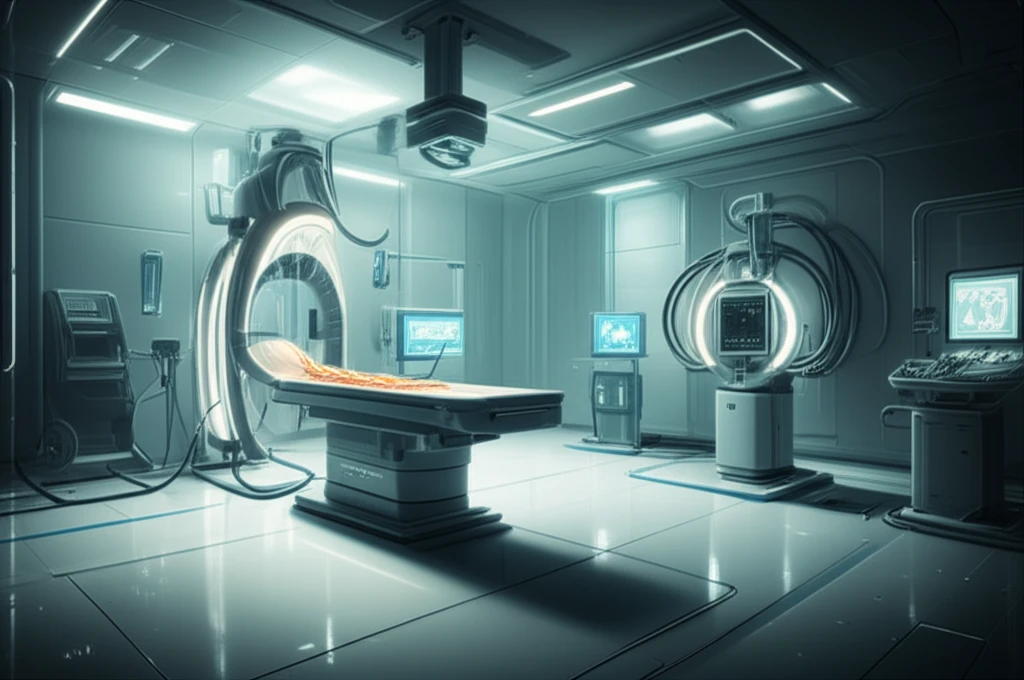
Futuristic vascular diagnostic center with glowing veins and arteries.

The Future of Vascular Health: How Non-Invasive Tech is Changing Everything

"From early detection to personalized treatment, discover how non-invasive vascular investigations are revolutionizing patient care and outcomes."


Non-invasive diagnostic methods are reshaping how we approach and treat vascular diseases, enabling more informed and effective therapeutic decisions. Gone are the days when surgical interventions were the only option; today, many endovascular and open surgical treatments are guided solely by non-invasive duplex scanning evaluations.

The primary goal of non-invasive ultrasound testing is to differentiate between normal and pathological vessels, classify various disease states, and assess collateral circulation—all while ensuring patient safety and cost-effectiveness. This approach allows healthcare providers to identify individuals at risk for acute and chronic vascular diseases who may require targeted interventions.

Moreover, these non-invasive techniques play a crucial role in monitoring patients already identified as being at risk, documenting any disease progression or recurrence. It’s essential for vascular laboratories to validate their results against established gold standards to maintain the highest quality and accuracy in diagnostics.

Revolutionizing Carotid Artery Disease Management

Futuristic vascular diagnostic center with glowing veins and arteries.

Color flow duplex scanning is now the preferred method for diagnosing and measuring carotid stenosis, provided that objective criteria are applied by experienced professionals. This technique offers a specificity of 90% and a sensitivity of 99% across all categories of carotid disease, allowing for tailored therapeutic strategies based on specific pathological conditions.

Beyond stenosis detection, understanding plaque characteristics is critical. Factors such as surface ulceration, low gray-scale median (<25), heterogeneous plaque appearance, and juxtaluminal echolucent areas are ultrasonographic indicators of plaque vulnerability. Recognizing these indicators is essential for selecting appropriate treatment and determining the frequency of follow-up care post-surgery, whether through carotid endarterectomy or carotid artery stenting.

  • Transcranial Color Doppler: Assesses intracranial vessel lesions, circle of Willis efficiency, and hemodynamic effects of extracranial carotid lesions.
  • Cerebrovascular Reserve Evaluation: Identifies microembolic events from ulcerated plaques and assesses cross-clamping risk.
  • Shunting Indications: Determines when shunting is necessary to maintain cerebral blood flow during procedures.
These advanced applications ensure comprehensive evaluation and management of carotid artery disease, minimizing risks and optimizing patient outcomes.

The Path Forward

In conclusion, accurate diagnosis remains the cornerstone of successful treatment outcomes. The integration of color flow duplex scanning, now increasingly accessible, facilitates direct visualization and mapping of vascular pathways for both acute and chronic conditions. This ensures not only effective treatment of abnormal segments but also the preservation of healthy vascular tissue, heralding a new era in vascular care.

About this Article -

This article was crafted using a human-AI hybrid and collaborative approach. AI assisted our team with initial drafting, research insights, identifying key questions, and image generation. Our human editors guided topic selection, defined the angle, structured the content, ensured factual accuracy and relevance, refined the tone, and conducted thorough editing to deliver helpful, high-quality information.See our About page for more information.

This article is based on research published under:

DOI-LINK: 10.2147/jvd.s44754, Alternate LINK

Title: How Noninvasive Investigation Has Modified Our Therapeutic Approach In Vascular Medicine

Subject: General Medicine

Journal: Journal of Vascular Diagnostics

Publisher: Informa UK Limited

Authors: Pier Luigi Antignani

Published: 2013-03-01

Everything You Need To Know

1

What are non-invasive vascular investigations, and why are they so important?

Non-invasive vascular investigations are diagnostic methods that don't require entering the body. These methods, like color flow duplex scanning, use ultrasound to visualize blood vessels, identify blockages (stenosis), and assess blood flow. This is significant because it enables safer and more cost-effective diagnosis of vascular diseases, guiding treatment decisions without the risks associated with surgery.

2

Why is color flow duplex scanning so important in managing carotid artery disease?

Color flow duplex scanning is important in managing carotid artery disease because it accurately diagnoses and measures carotid stenosis (narrowing of the carotid arteries). This technique identifies specific plaque characteristics, such as ulceration and echolucent areas, which indicate the vulnerability of the plaque. Understanding these factors is critical for selecting the appropriate treatment strategy, whether it's carotid endarterectomy or carotid artery stenting, and determining how often the patient needs follow-up care.

3

What is the main goal of non-invasive ultrasound testing for vascular issues?

The primary goal of non-invasive ultrasound testing is to differentiate between normal and pathological vessels. These tests classify different disease states, and assess collateral circulation, all while ensuring patient safety and cost-effectiveness. By distinguishing between healthy and diseased vessels, healthcare providers can identify at-risk individuals who may need targeted interventions for acute and chronic vascular conditions.

4

What is Transcranial Color Doppler, and what other advanced techniques are used to evaluate carotid artery disease?

Transcranial Color Doppler is a non-invasive ultrasound technique used to assess intracranial vessel lesions, the efficiency of the circle of Willis (a network of arteries in the brain), and the hemodynamic effects of extracranial carotid lesions. Cerebrovascular reserve evaluation can also identify microembolic events from ulcerated plaques and assess cross-clamping risk during surgery. Shunting indications help determine when shunting is necessary to maintain cerebral blood flow during procedures.

5

Why is accurate diagnosis so important in vascular health, and how do non-invasive techniques contribute to it?

Accurate diagnosis is the foundation for successful treatment outcomes. Color flow duplex scanning, which is becoming more accessible, allows direct visualization and mapping of vascular pathways for both acute and chronic conditions. This ensures not only effective treatment of abnormal vascular segments but also the preservation of healthy vascular tissue, leading to improved patient outcomes and a new era in vascular care.

Newsletter Subscribe

Subscribe to get the latest articles and insights directly in your inbox.