
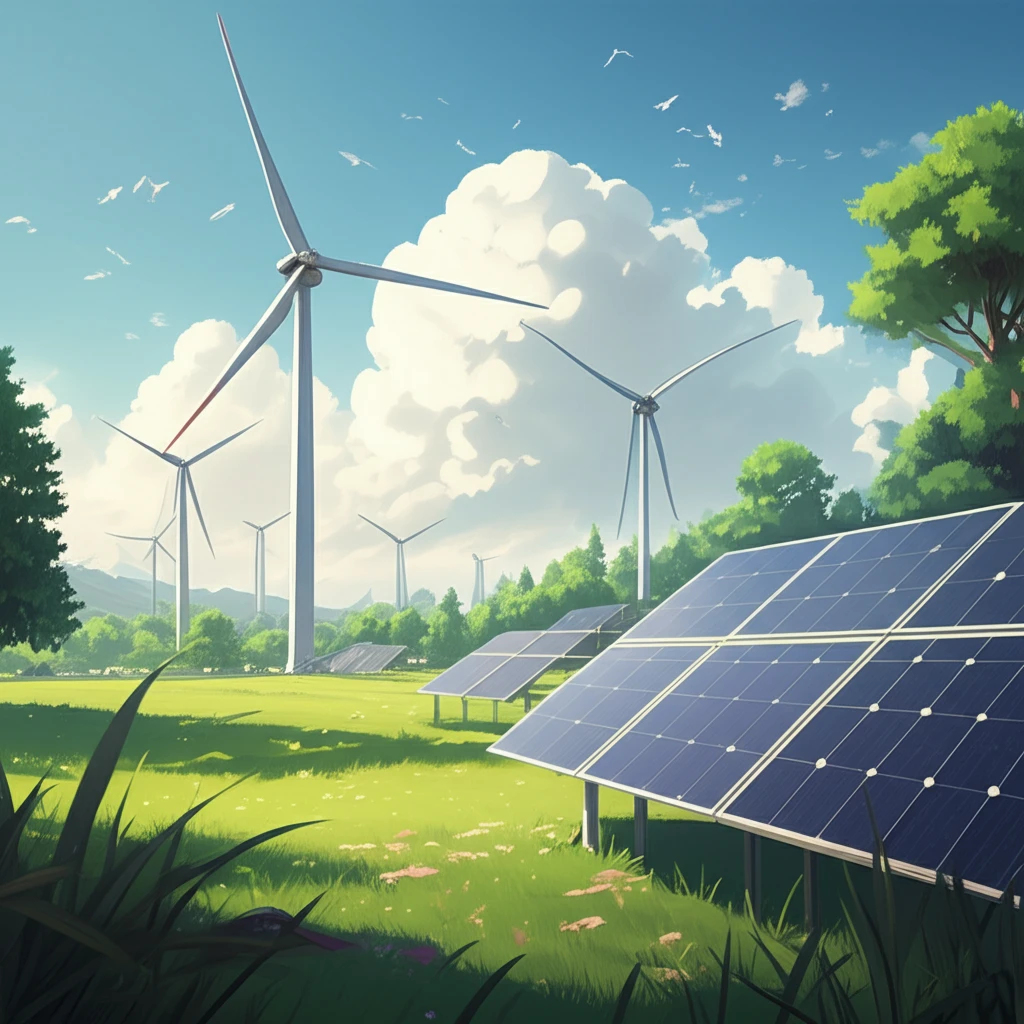
Sustainable energy landscape with wind turbines and solar panels.

Sustainable Energy: How Innovations are Shaping Our Future

"Explore the latest advancements in energy resources and environmental engineering driving a cleaner, more sustainable world."


The quest for sustainable energy solutions has never been more critical. As the world grapples with the urgent challenges of climate change and environmental degradation, innovative approaches in energy resources and environmental engineering are emerging as key drivers of a cleaner, more sustainable future.

The 3rd International Conference on Advances in Energy Resources and Environment Engineering (ICAESEE 2017), held in Harbin, China, served as a pivotal platform for global experts to converge, exchange ideas, and showcase groundbreaking research. This conference, organized by Anhui Jianzhu University, China Coal Research Institute CCRI, and National United University, Taiwan, highlighted the collaborative spirit essential for tackling complex environmental challenges.

ICAESEE 2017 facilitated a dynamic exchange of knowledge, uniting academic scientists, engineers, and industry researchers. The event underscored the importance of interdisciplinary collaboration in addressing practical challenges and adopting effective solutions for a sustainable future. Keynote speeches from leading experts provided valuable insights into the latest advancements and emerging trends in energy and environmental engineering.

Advancements in Sustainable Energy Resources: Paving the Way for a Greener Future

Sustainable energy landscape with wind turbines and solar panels.

The conference showcased a diverse array of innovative approaches to sustainable energy resources. These advancements span various fields, including renewable energy technologies, energy efficiency strategies, and waste management solutions. The collective effort aims to reduce carbon footprints, promote environmental stewardship, and ensure a more sustainable energy landscape for future generations.

One of the key focuses of ICAESEE 2017 was the exploration of novel materials and technologies for enhancing the efficiency of solar energy capture. Researchers presented findings on advanced photovoltaic cells, innovative energy storage systems, and smart grid technologies designed to optimize energy distribution and reduce waste. These advancements hold the potential to revolutionize the way we harness and utilize solar power.

  • Advanced Photovoltaic Cells: Developments in materials science are leading to more efficient and cost-effective solar panels.
  • Energy Storage Systems: Innovations in battery technology and thermal storage are addressing the intermittency of renewable energy sources.
  • Smart Grid Technologies: Smart grids enable better management of energy distribution, reducing waste and improving reliability.
Another significant theme at the conference was the discussion of biomass and biofuels as sustainable alternatives to fossil fuels. Experts presented research on advanced biofuel production techniques, sustainable biomass sourcing strategies, and the integration of bioenergy systems into existing energy infrastructures. These discussions emphasized the potential of biomass and biofuels to contribute to a circular economy and reduce reliance on finite resources.

Looking Ahead: Collaboration and Innovation for a Sustainable Future

The insights and discussions from ICAESEE 2017 underscore the critical importance of continued collaboration and innovation in the pursuit of sustainable energy solutions. By fostering partnerships between academia, industry, and government, we can accelerate the development and deployment of groundbreaking technologies and policies that promote environmental stewardship and ensure a resilient, sustainable future for all.

About this Article -

This article was crafted using a human-AI hybrid and collaborative approach. AI assisted our team with initial drafting, research insights, identifying key questions, and image generation. Our human editors guided topic selection, defined the angle, structured the content, ensured factual accuracy and relevance, refined the tone, and conducted thorough editing to deliver helpful, high-quality information.See our About page for more information.

Everything You Need To Know

1

What were some of the key topics discussed at the 3rd International Conference on Advances in Energy Resources and Environment Engineering (ICAESEE 2017)?

ICAESEE 2017 featured discussions on advancements in sustainable energy resources, including renewable energy technologies, energy efficiency strategies, and waste management solutions. Key areas of focus included novel materials and technologies for enhancing solar energy capture through advanced photovoltaic cells, innovations in energy storage systems, and the deployment of smart grid technologies to optimize energy distribution. The conference also highlighted biomass and biofuels as sustainable alternatives to fossil fuels.

2

How are advanced photovoltaic cells contributing to sustainable energy?

Advanced photovoltaic cells are improving the efficiency and cost-effectiveness of solar panels. These developments in materials science enable solar panels to capture more sunlight and convert it into electricity more efficiently. While the text details their increasing efficiency, it doesn't cover the specific types of materials being used, such as perovskites or thin-film technologies, which are crucial for understanding the scope of these advancements.

3

What role do energy storage systems play in the adoption of renewable energy sources?

Energy storage systems, including innovations in battery technology and thermal storage, are crucial for addressing the intermittent nature of renewable energy sources like solar and wind. They store excess energy generated during peak production times and release it when demand is high but renewable generation is low. The text doesn't detail the different types of battery technologies or thermal storage methods, which is important for fully understanding their potential and limitations.

4

In what ways do smart grid technologies improve energy distribution and reduce waste?

Smart grid technologies enable better management of energy distribution by using advanced sensors, communication networks, and control systems to monitor and optimize energy flow. This reduces waste by minimizing transmission losses and improving the reliability of the grid. They also facilitate the integration of distributed generation sources, such as rooftop solar panels, allowing for a more decentralized and resilient energy system. Specific technologies or communication protocols used aren't included.

5

How do biomass and biofuels contribute to a circular economy, and what are some of the advancements in their production and integration?

Biomass and biofuels contribute to a circular economy by utilizing organic waste and sustainably sourced biomass as alternatives to fossil fuels. Advancements include improved biofuel production techniques and strategies for integrating bioenergy systems into existing energy infrastructures. These efforts aim to reduce reliance on finite resources and promote a more sustainable and closed-loop system. The types of biomass used and the specific conversion technologies employed are not listed, which are key to evaluating the true sustainability and scalability of these solutions.

Newsletter Subscribe

Subscribe to get the latest articles and insights directly in your inbox.