
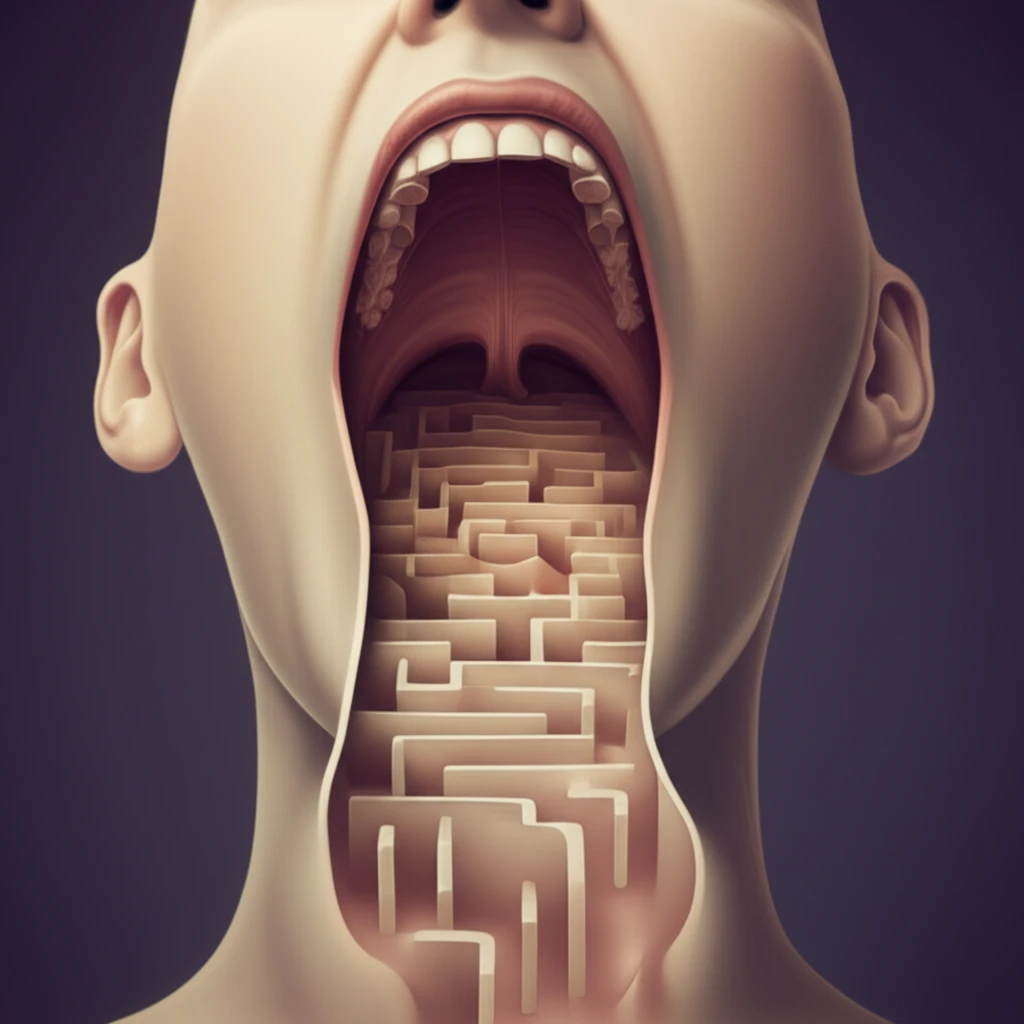
Stroke & Swallowing: Uncover the Hidden Costs of Dysphagia

"Beyond Hospital Bills: Understanding the Economic Impact of Swallowing Difficulties After a Stroke."
Experiencing a stroke can bring many challenges, and one common yet often overlooked issue is oropharyngeal dysphagia (OD), or difficulty swallowing. Affecting a significant number of stroke survivors, OD can lead to serious complications like malnutrition, dehydration, and pneumonia. But the impact goes beyond physical health; OD also carries a substantial economic burden.
While initial hospital costs are obvious, the long-term financial implications of post-stroke OD, including rehabilitation, long-term care, and lost productivity, are frequently underestimated. This article dives into a systematic review analyzing the costs associated with OD after a stroke, offering insights into how early detection and proper management can make a real difference.
We'll explore the findings of a comprehensive study that examines the economic impact of OD from various perspectives – the hospital, the healthcare system, and society as a whole. By understanding these costs, we can advocate for better care and potentially reduce the financial strain on individuals and healthcare resources.
The Unexpected Costs of Swallowing Problems After Stroke
Oropharyngeal dysphagia (OD) isn't just a medical concern; it's a significant economic one. Research shows that many stroke patients experience swallowing difficulties, leading to a range of complications that drive up healthcare costs. Let’s break down the key areas where these costs arise:
- Hospital Stays: OD can lead to longer hospital stays due to complications like aspiration pneumonia, increasing the overall cost of care.
- Rehabilitation: Many patients require specialized swallowing therapy and rehabilitation, adding to medical expenses.
- Treatment of Complications: Conditions like malnutrition, dehydration, and respiratory infections, stemming from OD, demand further treatment and resources.
- Medication: Increased use of antibiotics to fight pneumonia.
Taking Control: Early Action for Better Outcomes
The research is clear: oropharyngeal dysphagia significantly increases the economic burden on stroke patients, healthcare systems, and society. But there’s good news: early detection and effective management can make a tangible difference.
By implementing routine screening for OD after stroke and providing appropriate interventions, such as swallowing therapy and dietary modifications, healthcare providers can reduce complications, shorten hospital stays, and improve patients’ quality of life. This proactive approach not only benefits individual patients but also leads to substantial cost savings.
Ultimately, addressing OD effectively requires a multi-faceted approach, including increased awareness among healthcare professionals, investment in rehabilitation services, and ongoing research to develop innovative treatments. By prioritizing early intervention and comprehensive care, we can mitigate the economic and personal impact of this often-overlooked consequence of stroke.