
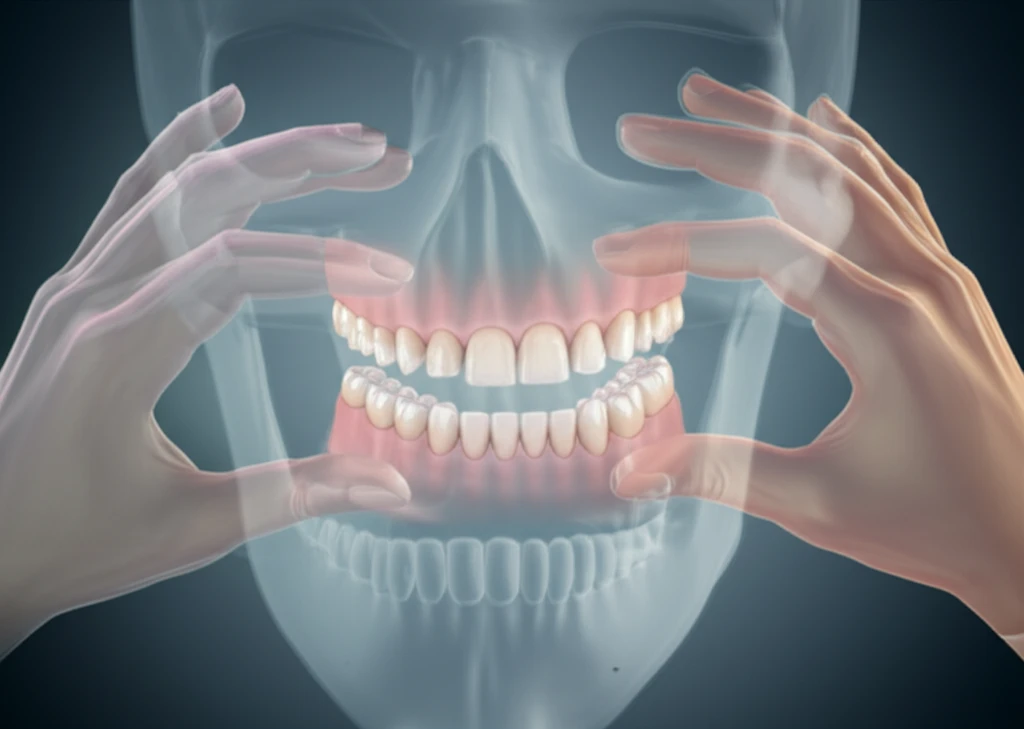
Straightening Smiles: What You Need to Know About Incisor Retraction and Your Jaw Health

"A clear look at how moving your front teeth affects your jawbone and what it means for your long-term dental health."
Orthodontic treatment today aims not only for perfectly aligned teeth but also for lasting results and great aesthetics. In some cases, achieving these goals requires significant movement of the incisors, which are your front teeth. This process isn't just about looks; it involves careful consideration of your jawbone and overall dental health.
Moving incisors can impact the bone structure around the teeth. Factors such as the thickness of the jawbone, the position of the teeth, and the health of your gums all play a crucial role. Dentists need to be mindful of these aspects to prevent unwanted issues when shifting teeth.
Cone-beam computed tomography (CBCT) has emerged as a powerful tool in modern orthodontics. It provides detailed 3D images of the craniofacial structures, allowing for precise assessment of the bone around the teeth. This technology helps in planning treatments and monitoring changes during the teeth-straightening process.
How Does Incisor Retraction Affect Your Jaw?
A recent study investigated the effects of maxillary incisor retraction on tooth length and alveolar thickness. Researchers used CBCT to assess changes in patients undergoing orthodontic treatment that involved extracting maxillary first premolars and retracting incisors. The study focused on measuring tooth length and the thickness of the alveolar bone before and after the incisors were moved.
- Consistent Measurements: High consistency in measurements of tooth length and alveolar thickness, ensuring reliable data.
- No Significant Tooth Length Changes: No significant changes in the length of the incisors were observed during the retraction process.
- Stable Alveolar Thickness: The thickness of the alveolar bone around the incisors remained relatively stable.
Why These Findings Matter for Your Smile
Understanding the effects of incisor retraction on tooth length and alveolar thickness is vital for ensuring safe and effective orthodontic treatment. This study provides reassurance that controlled orthodontic forces can minimize adverse effects on tooth structure and supporting bone. Consulting with an experienced orthodontist and using advanced imaging techniques like CBCT are essential for planning and monitoring treatment to achieve a healthy, beautiful smile.