
Stem Cell Secrets: How They Could Revolutionize Heart and Kidney Disease Treatment

"Unlocking the potential of paracrine effects in stem cell therapy for cardiorenal syndrome."
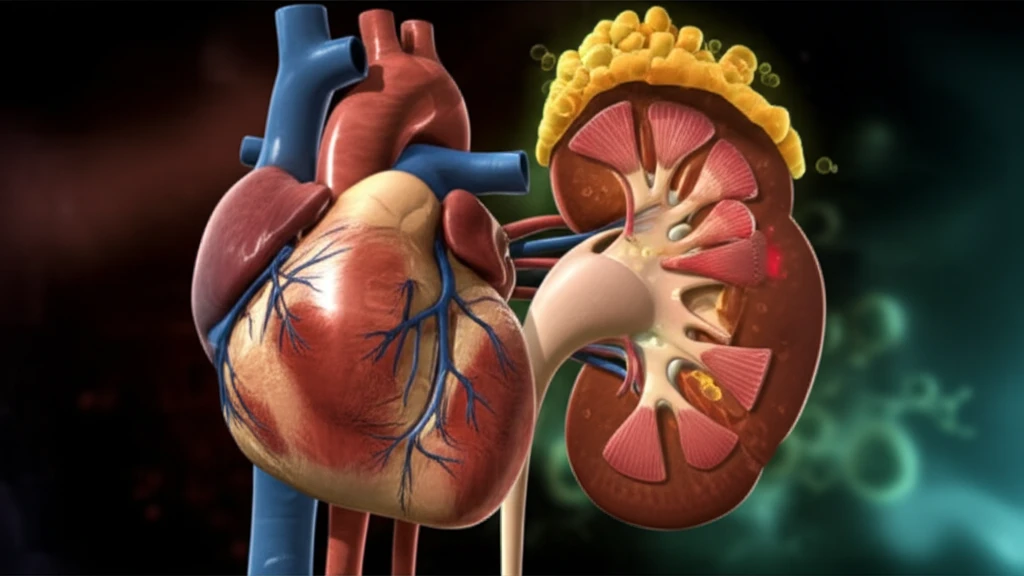
Cardiorenal syndrome (CRS), a condition where heart and kidney dysfunction occur simultaneously, poses a significant challenge in modern medicine. Among the various types of CRS, type II involves chronic heart failure leading to kidney damage. Conventional treatments often fall short, highlighting the urgent need for innovative therapeutic strategies.
Stem cell therapy has emerged as a promising avenue for treating a wide range of diseases, including cardiovascular and renal disorders. The potential of stem cells lies not only in their ability to replace damaged cells but also in their capacity to secrete various factors that promote tissue repair and regeneration, a phenomenon known as the paracrine effect.
Recent research has delved into the intricate mechanisms by which stem cells exert their therapeutic effects in the context of cardiorenal syndrome type II. This article explores the findings of a study investigating the paracrine effects of stem cells on apoptosis (programmed cell death) and cytokine milieu (the balance of signaling molecules) in an experimental model of CRS type II, offering insights into potential new treatment approaches.
Paracrine Power: How Stem Cells Influence Heart-Kidney Communication
The study, as detailed in "Data on the stem cells paracrine effects on apoptosis and cytokine milieu in an experimental model of cardiorenal syndrome type II", investigated the impact of stem cell transplantation on heart-kidney interactions in a rat model of cardiorenal syndrome type II. Researchers examined the effects of injecting c-Kit-selected human amniotic fluid stem cells (hAFS) or rat vascular progenitor cells (rSVC-GFP group) into the experimental model.
- Apoptosis: The programmed cell death process, crucial in maintaining tissue homeostasis.
- Cytokine Milieu: The balance of cytokines, signaling molecules that play a key role in inflammation and immune responses.
The Future of Cardiorenal Syndrome Treatment: Harnessing the Power of Stem Cells
This research provides valuable insights into the mechanisms by which stem cells can exert their therapeutic effects in cardiorenal syndrome type II. By modulating apoptosis and cytokine balance, stem cell transplantation offers a promising avenue for improving heart-kidney communication and potentially slowing down the progression of the disease.
While these findings are encouraging, further research is needed to fully elucidate the long-term effects and optimal delivery methods of stem cell therapy for CRS type II. Clinical trials are essential to translate these experimental findings into effective treatments for patients.
The exploration of paracrine effects in stem cell therapy opens new doors for treating complex conditions like cardiorenal syndrome. As our understanding of these mechanisms deepens, we can anticipate the development of more targeted and personalized therapies that harness the regenerative power of stem cells to improve patient outcomes.