
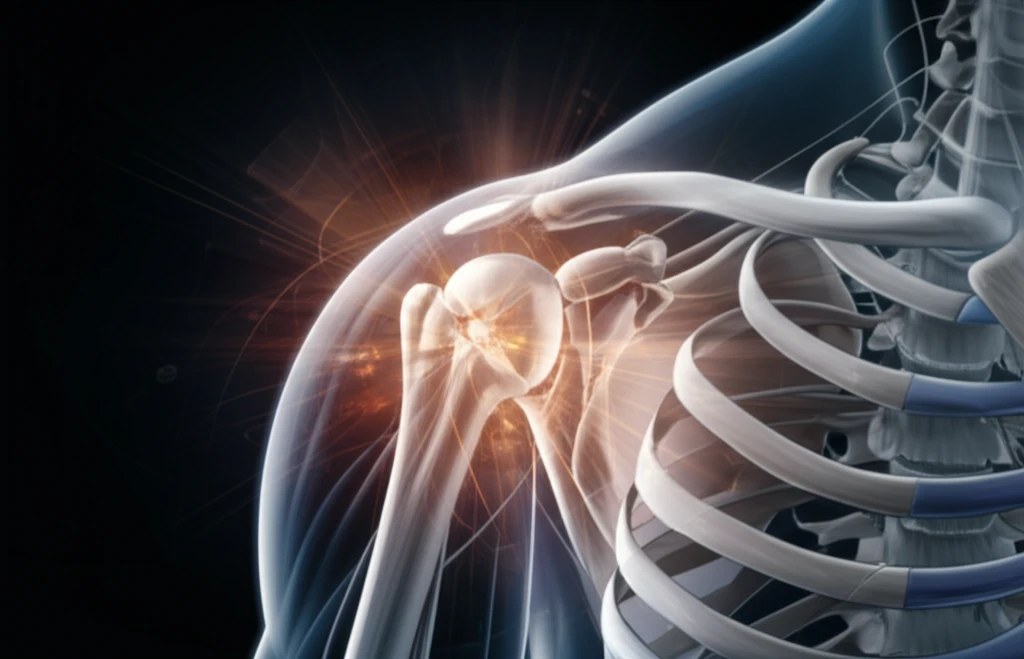
Surreal illustration of a shoulder joint healing with glowing light.

Shoulder Impingement Syndrome: Navigating Physiotherapy for Lasting Relief

"A comprehensive look at how physiotherapy interventions, including manual therapy and targeted exercises, can provide effective, long-term solutions for shoulder impingement."


Shoulder pain ranks among the most common musculoskeletal complaints, significantly impacting daily life and occupational performance. Shoulder impingement syndrome (SIS), a prevalent condition, accounts for a substantial portion of these cases, with diagnoses ranging from 44% to 65% of all shoulder pathologies. This condition not only affects athletes but also individuals engaged in repetitive overhead activities, making effective management crucial.

Despite its widespread occurrence, the effectiveness of physiotherapy in treating SIS remains a topic of ongoing debate. Characterized by pain, limited range of motion, and impaired function, SIS often leads to decreased quality of life and work productivity. Understanding the role of physiotherapy in managing SIS is essential for healthcare professionals and individuals seeking relief from this debilitating condition.

This article aims to clarify the efficacy of physiotherapy interventions for SIS, focusing on the latest research and evidence-based practices. By examining various treatment approaches, including manual therapy, therapeutic exercises, and physical modalities, we aim to provide a comprehensive overview of how physiotherapy can offer sustainable relief and improved shoulder function.

Understanding Shoulder Impingement Syndrome: Causes and Classifications

Surreal illustration of a shoulder joint healing with glowing light.

Shoulder impingement syndrome occurs when the tendons of the rotator cuff muscles become compressed and irritated as they pass through the subacromial space. This compression can lead to inflammation, pain, and restricted movement. The condition typically affects individuals in their fourth and fifth decades of life and is more commonly seen in women. Factors contributing to SIS include:

Neer’s classification system, developed in 1972, categorizes SIS into three stages:

  • Stage I: Characterized by edema, inflammation, and hemorrhage, typically seen in younger patients.
  • Stage II: Involves fibrosis and tendinopathy of the rotator cuff, commonly affecting individuals between 25 and 40 years old.
  • Stage III: Marked by rotator cuff tears, biceps tendon rupture, and bony changes, predominantly observed in patients over 40 years old.
Clinically, SIS presents with pain in the anterior, posterior, and lateral aspects of the shoulder, often radiating to the deltoid and biceps regions. Pain is exacerbated during overhead activities, internal rotation, and resisted movements. Accurate diagnosis relies on a comprehensive clinical evaluation, as imaging techniques such as MRI and ultrasound may not always be necessary for initial assessment.

The Road to Recovery: A Comprehensive Approach to Physiotherapy for Shoulder Impingement

Physiotherapy is an essential component in the management of shoulder impingement syndrome. Through a combination of manual therapy, targeted exercises, and physical modalities, individuals can achieve significant pain relief, improved function, and a better quality of life. By understanding the causes and classifications of SIS and seeking appropriate physiotherapy interventions, patients can effectively navigate their path to recovery and long-term shoulder health.

About this Article -

This article was crafted using a human-AI hybrid and collaborative approach. AI assisted our team with initial drafting, research insights, identifying key questions, and image generation. Our human editors guided topic selection, defined the angle, structured the content, ensured factual accuracy and relevance, refined the tone, and conducted thorough editing to deliver helpful, high-quality information.See our About page for more information.

This article is based on research published under:

DOI-LINK: 10.1590/s0103-51502013000400008, Alternate LINK

Title: Intervenção Da Fisioterapia Na Síndrome De Colisão Do Ombro

Subject: Rehabilitation

Journal: Fisioterapia em Movimento

Publisher: FapUNIFESP (SciELO)

Authors: Ricardo Manuel Tavares Cardoso, Marcelo Soares Oliveira Leite

Published: 2013-12-01

Everything You Need To Know

1

What exactly is Shoulder Impingement Syndrome?

Shoulder Impingement Syndrome (SIS) arises when the rotator cuff tendons become compressed within the subacromial space, leading to irritation and pain. This condition is common among individuals in their 40s and 50s, and it's often seen more in women. Factors contributing to SIS include repetitive overhead activities, poor posture, and structural abnormalities in the shoulder. Effective management typically involves physiotherapy to alleviate pain and restore function.

2

Why is physiotherapy considered an essential component in treating Shoulder Impingement Syndrome?

Physiotherapy plays a vital role in treating Shoulder Impingement Syndrome (SIS) by employing various interventions to alleviate pain, improve function, and enhance overall quality of life. Manual therapy helps in restoring joint mobility and reducing muscle tension. Targeted exercises strengthen the rotator cuff muscles and improve shoulder stability. Physical modalities, such as ultrasound and electrical stimulation, aid in pain management and tissue healing. This comprehensive approach addresses the underlying causes of SIS and facilitates long-term recovery.

3

What does manual therapy involve as part of physiotherapy for Shoulder Impingement Syndrome?

Manual therapy in the context of Shoulder Impingement Syndrome (SIS) involves hands-on techniques performed by a physiotherapist to mobilize the shoulder joint, release muscle tension, and improve overall biomechanics. These techniques can include joint mobilization, soft tissue massage, and stretching exercises. By addressing stiffness and imbalances in the shoulder complex, manual therapy helps reduce pain and improve range of motion, facilitating better function and recovery from SIS. Manual therapy is often combined with other physiotherapy interventions for optimal results.

4

Can you explain Neer’s classification system for Shoulder Impingement Syndrome and why it's important?

Neer’s classification system categorizes Shoulder Impingement Syndrome (SIS) into three stages based on the progression of the condition. Stage I involves edema, inflammation, and hemorrhage, typically seen in younger patients. Stage II includes fibrosis and tendinopathy of the rotator cuff, affecting individuals between 25 and 40 years old. Stage III is marked by rotator cuff tears, biceps tendon rupture, and bony changes, predominantly observed in patients over 40 years old. Understanding these stages helps healthcare professionals tailor treatment approaches to the specific needs of each patient.

5

Besides Shoulder Impingement Syndrome, what other shoulder conditions can benefit from physiotherapy?

While the primary focus is on Shoulder Impingement Syndrome (SIS), it's important to understand that physiotherapy can address other shoulder conditions as well. Common conditions like rotator cuff tears, adhesive capsulitis (frozen shoulder), and shoulder instability can also benefit from physiotherapy interventions. The goals of physiotherapy for these conditions include pain relief, improved range of motion, strengthening of the shoulder muscles, and restoration of normal function. A comprehensive assessment by a physiotherapist is essential to determine the appropriate treatment plan for any shoulder pathology.

Newsletter Subscribe

Subscribe to get the latest articles and insights directly in your inbox.