
Motor Relearning vs. Bobath: Which Therapy Best Prevents Post-Stroke Apathy?

"A randomized controlled trial reveals motor relearning programs are significantly more effective than the Bobath approach in preventing apathy after stroke. Discover why early intervention is key."
Apathy, characterized by a lack of motivation, is a common and debilitating condition following a stroke. It not only hinders recovery but also diminishes overall quality of life. Recognizing and addressing apathy early is crucial for improving patient outcomes. The traditional Bobath approach and newer motor relearning programs are two common physiotherapy interventions in stroke rehabilitation.
Apathy is more than just feeling down, and it's a distinct neurological syndrome. Depression is a common consequence of stroke; apathy should be regarded as different from depression. Apathy impacts cognitive functions like planning and decision-making. This can significantly affect a person's ability to perform daily activities and engage in social interactions.
While medications have been explored, non-pharmacological approaches, like physiotherapy, play a vital role in stroke rehabilitation. Determining the most effective physiotherapy method to prevent apathy is essential for optimizing patient care. This article delves into a recent study comparing the effectiveness of the Bobath approach and motor relearning programs in preventing post-stroke apathy.
Apathy After Stroke
The available material does not provide statistics on post-stroke apathy or compare Motor Relearning with Bobath therapy. Any estimate of prevalence, functional impact, or prevention effectiveness would therefore require dedicated clinical sources. The issue should be interpreted cautiously until evidence specific to stroke rehabilitation is reviewed.
Treatment Evidence
No source provided here describes standard rehabilitation methods for post-stroke apathy. The material therefore cannot establish whether Motor Relearning, Bobath therapy, or another approach is accepted practice. Claims about limitations or comparative effectiveness should be supported by clinical guidelines or rehabilitation studies.
Historical Context
The supplied material does not document the historical development of Motor Relearning, Bobath therapy, or research into post-stroke apathy. It consequently cannot identify milestones, foundational discoveries, or changes in rehabilitation practice. A reliable historical account would require sources focused on neurological rehabilitation.
Motor Relearning Programs: Actively Engaging Patients for Better Outcomes
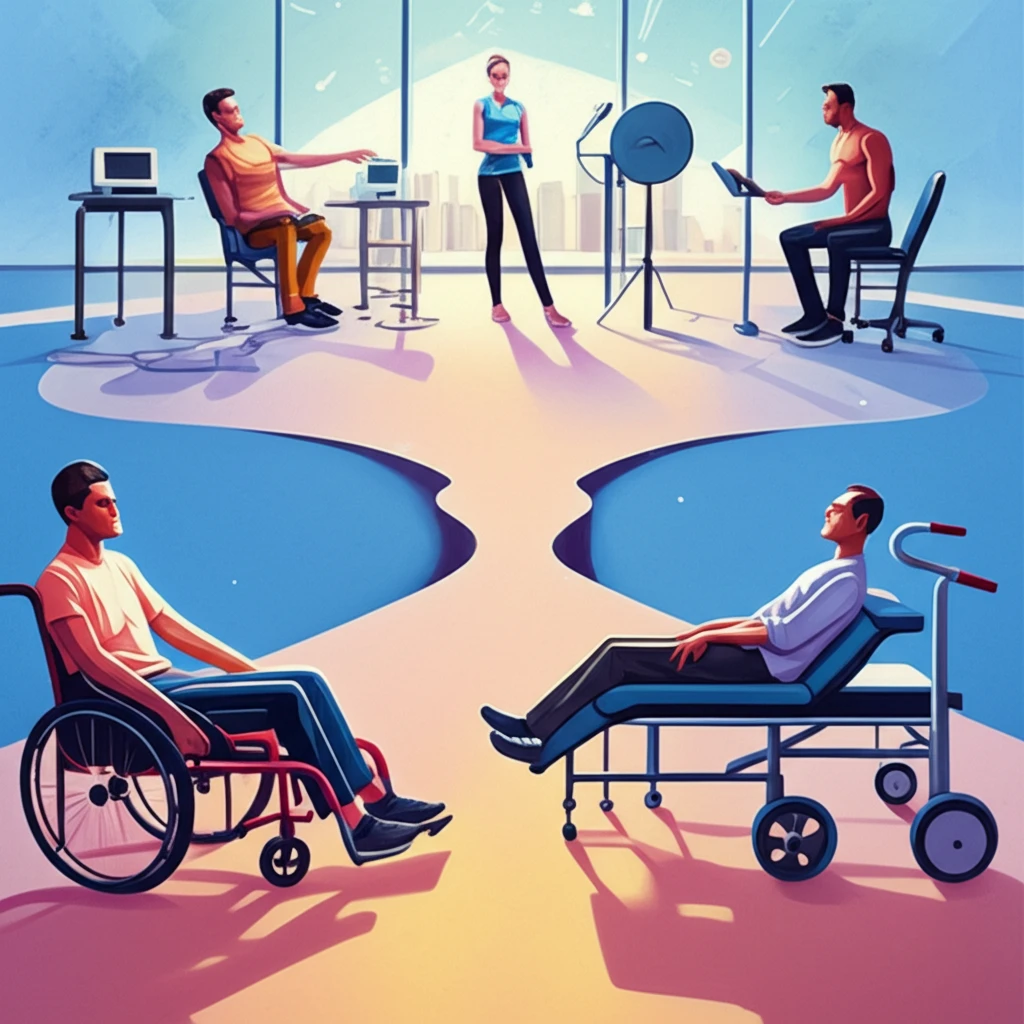
A recent study investigated the impact of different physiotherapy approaches on preventing apathy after stroke. Researchers Liping Chen, Siqing Xiong, Yi Liu, Meiqing Lin, Lu Zhu, Renjia Zhong, Jiuhan Zhao, Wenjing Liu, Jirui Wang, and Xiuli Shang, compared motor relearning programs with the Bobath approach in a randomized controlled trial.
- Motor Relearning Program: Emphasizes active patient participation in task-specific training. Focuses on relearning movements through practice and feedback.
- Bobath Approach: Aims to normalize muscle tone and movement patterns. Often involves passive movements and handling techniques by the therapist.
Sources Not Relevant to Stroke Research
The listed sources do not provide latest research or reviews on Motor Relearning, Bobath therapy, or post-stroke apathy. The Commission on POST page describes training videos intended to assist law-enforcement training managers and instructors with agency training needs or legislative mandates. The other listed pages concern POST profiles, Post University, and New York Post news rather than clinical rehabilitation evidence.
Evidence Gap
The supplied sources do not examine counterarguments, treatment failures, or limitations involving Motor Relearning or Bobath therapy. The USPS source describes locations and services such as post offices, collection boxes, kiosks, stamps, passports, and redeliveries. The Post Consumer Brands source discusses its team members and recruitment, so neither source supports conclusions about stroke rehabilitation.
Comparison Requires Clinical Evidence
No source supplied for this subsection directly compares Motor Relearning with Bobath therapy. It is therefore not possible to determine from the provided material which approach better prevents post-stroke apathy. A fair comparison would require evidence using comparable patients, interventions, outcomes, and follow-up periods.
The Takeaway: Early Intervention with Motor Relearning Matters
This research suggests that incorporating motor relearning programs into early stroke rehabilitation can significantly reduce the risk of developing post-stroke apathy. By actively engaging patients in task-specific training, therapists can empower them to regain motor control and prevent the onset of apathy. This approach offers a promising avenue for improving the long-term well-being and recovery of stroke survivors.
Cautious Interpretation
The available material does not support expert conclusions about whether Motor Relearning or Bobath therapy better prevents post-stroke apathy. Any synthesis would need to distinguish evidence about apathy prevention from evidence about broader motor recovery. Without condition-specific research, a definitive recommendation would be unwarranted.
Research Priorities
The supplied material does not describe future research directions for post-stroke apathy or either rehabilitation method. Important unanswered questions would need to be addressed by dedicated clinical research rather than inferred from unrelated sources. Until such evidence is available, projections about the next therapeutic frontier should remain tentative.
Contextual Limits
No source provided here addresses systemic challenges in delivering Motor Relearning or Bobath therapy after stroke. The material therefore cannot establish how access, staffing, training, cost, or care systems affect apathy prevention. Those issues require health-care and rehabilitation sources specific to stroke services.
Patient-Centered Evidence
The supplied material does not report patient experiences or real-world outcomes related to post-stroke apathy. It consequently cannot show how either therapy affects motivation, participation, caregivers, or daily life. Patient-centered conclusions should be based on stroke rehabilitation studies that measure outcomes meaningful to patients and families.