
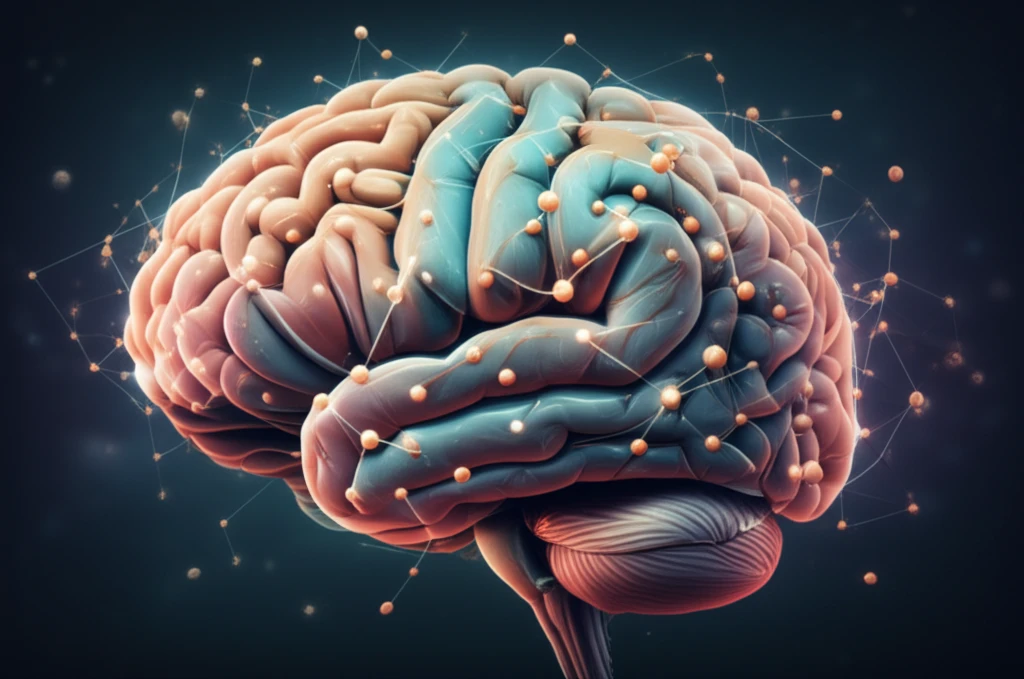
Sesame seeds forming a neural network, symbolizing sesamin's brain health benefits

Sesamin: The Natural Compound That Could Fight Depression and Boost Memory

"Research suggests sesamin, a component of sesame seeds, may alleviate depression-like behaviors and memory deficits by reducing neuroinflammation."


Depression is more than just a bad mood; it's a complex disorder affecting millions worldwide. It intertwines with neuroinflammation and cognitive decline, creating a significant challenge for those seeking relief. While conventional treatments offer some help, many grapple with side effects, sparking a search for safer, more natural options.

Enter sesamin, a lignan found in sesame seeds. A growing body of research suggests this natural compound may possess antidepressant and memory-boosting properties. Its potential lies in its ability to fight neuroinflammation, a key factor implicated in depression and cognitive impairment.

This article explores the exciting findings around sesamin, diving deep into how it works in the brain, the research supporting its benefits, and what this could mean for the future of mental health and cognitive wellness.

How Sesamin Fights Depression and Memory Loss: The Science Unveiled

Sesame seeds forming a neural network, symbolizing sesamin's brain health benefits

Recent studies published in The Journal of Nutritional Biochemistry shed light on sesamin's remarkable effects. Researchers investigated the impact of sesamin on mice experiencing chronic unpredictable mild stress (CUMS), a model used to mimic depression-like symptoms in humans.

The results were compelling. Mice treated with sesamin exhibited significant improvements in several key areas:

  • Reduced Depressive Behaviors: Sesamin lessened behaviors associated with depression and anxiety, as observed in tests like the forced swimming test and elevated plus maze test.
  • Improved Cognitive Function: Sesamin boosted memory and learning abilities, evidenced by enhanced performance in Y-maze and Morris water maze tests.
  • Neuroinflammation Reduction: Sesamin curbed neuroinflammation by inhibiting the activation of microglia and reducing inflammatory mediators like TNF-α and IL-1β.
  • Neurotransmitter Balance: Sesamin helped restore levels of key neurotransmitters like serotonin and norepinephrine, which are often deficient in individuals with depression.
  • Enhanced Brain Structure and Function: Sesamin improved synapse structure and increased levels of neurotrophic factors like BDNF, essential for brain health and cognitive function.
These findings suggest that sesamin's antidepressant and memory-enhancing effects stem from its ability to target multiple pathways involved in depression and cognitive decline, most notably its potent anti-neuroinflammatory action.

Sesamin: A Promising Natural Ally for Brain Health

The research on sesamin offers a beacon of hope for those seeking natural ways to manage depression and enhance cognitive function. By targeting neuroinflammation and supporting key brain processes, sesamin presents a multifaceted approach to brain health.

While these findings are encouraging, it's crucial to remember that research is ongoing. More studies are needed to fully understand sesamin's effects on humans, determine optimal dosages, and assess its long-term safety.

However, incorporating sesame seeds into a balanced diet is generally safe and could offer a range of health benefits, including potential support for mental and cognitive well-being. As always, consult with your healthcare provider before making significant changes to your diet or treatment plan.

About this Article -

This article was crafted using a human-AI hybrid and collaborative approach. AI assisted our team with initial drafting, research insights, identifying key questions, and image generation. Our human editors guided topic selection, defined the angle, structured the content, ensured factual accuracy and relevance, refined the tone, and conducted thorough editing to deliver helpful, high-quality information.See our About page for more information.

This article is based on research published under:

DOI-LINK: 10.1016/j.jnutbio.2018.10.006, Alternate LINK

Title: (+)-Sesamin Attenuates Chronic Unpredictable Mild Stress-Induced Depressive-Like Behaviors And Memory Deficits Via Suppression Of Neuroinflammation

Subject: Clinical Biochemistry

Journal: The Journal of Nutritional Biochemistry

Publisher: Elsevier BV

Authors: Yihang Zhao, Qianxu Wang, Mengzhen Jia, Shangchen Fu, Junru Pan, Chuanqi Chu, Xiaoning Liu, Xuebo Liu, Zhigang Liu

Published: 2019-02-01

Everything You Need To Know

1

How does Sesamin, a compound found in sesame seeds, help with depression and memory issues?

Sesamin, a lignan found in sesame seeds, demonstrates potential in alleviating depression-like behaviors and enhancing cognitive function, primarily by reducing neuroinflammation. Studies using models like Chronic Unpredictable Mild Stress (CUMS) have shown that Sesamin can lead to improvements in depression and anxiety-related behaviors, boost memory and learning abilities, and balance neurotransmitter levels, all contributing to improved brain health.

2

What role does neuroinflammation play in depression, and how does Sesamin address it?

Neuroinflammation plays a pivotal role in depression and cognitive decline. Sesamin's ability to curb neuroinflammation involves inhibiting the activation of microglia and reducing inflammatory mediators such as TNF-α and IL-1β. By mitigating neuroinflammation, Sesamin helps restore neurotransmitter balance, enhances brain structure and function, and ultimately alleviates depression-like symptoms and improves cognitive performance.

3

How does Sesamin improve cognitive function, and what specific cognitive abilities does it enhance?

Research indicates that Sesamin can significantly improve cognitive function, as evidenced by enhanced performance in tests like the Y-maze and Morris water maze. These improvements are linked to Sesamin's ability to reduce neuroinflammation, increase levels of neurotrophic factors like BDNF, and improve synapse structure. These effects collectively contribute to enhanced memory and learning abilities.

4

In what way does Sesamin influence neurotransmitter levels, and why is this important for mental health?

Sesamin influences neurotransmitter levels by helping restore levels of key neurotransmitters like serotonin and norepinephrine, which are often deficient in individuals with depression. This restoration is significant because these neurotransmitters play crucial roles in mood regulation, cognitive function, and overall mental well-being. By normalizing these neurotransmitter levels, Sesamin contributes to alleviating depressive symptoms and enhancing cognitive performance.

5

Besides reducing inflammation, how else does Sesamin benefit brain health and function?

Beyond its effects on neuroinflammation and neurotransmitters, Sesamin enhances brain structure and function by improving synapse structure and increasing levels of neurotrophic factors like BDNF. BDNF is essential for brain health and cognitive function, promoting the growth, survival, and differentiation of neurons. By boosting BDNF levels and improving synapse structure, Sesamin supports overall brain health and resilience, contributing to its antidepressant and memory-enhancing effects. The implications extend to potentially preventing cognitive decline and promoting long-term mental wellness.

Newsletter Subscribe

Subscribe to get the latest articles and insights directly in your inbox.