
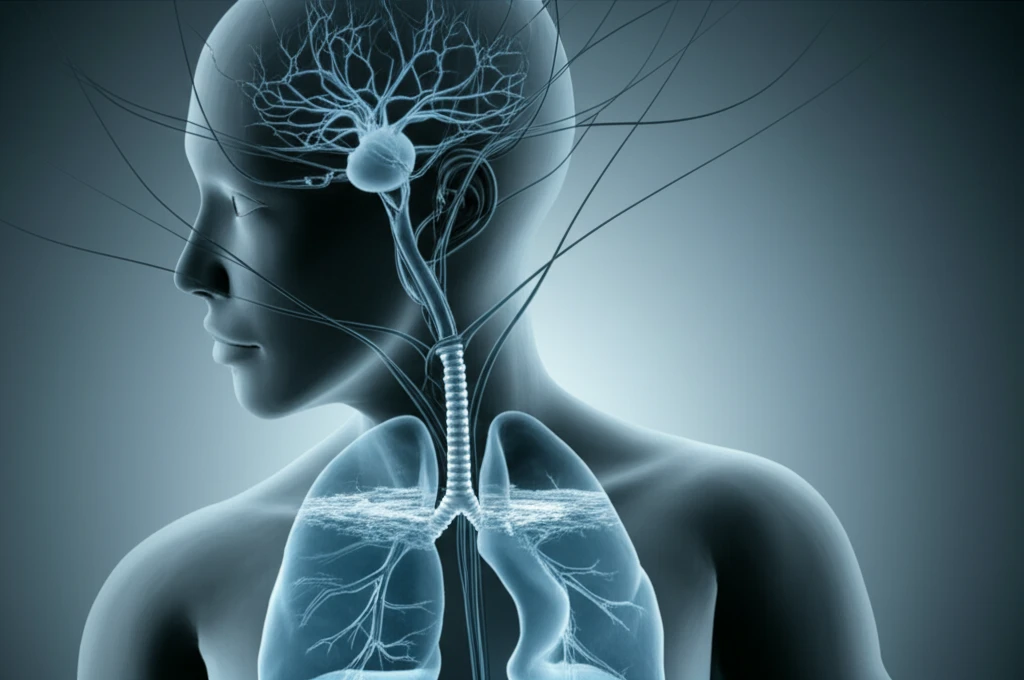
Illustration of fluid filling lungs connected to neural pathways from the brain, representing neurogenic pulmonary edema.

Seizures and Your Lungs: Understanding Neurogenic Pulmonary Edema

"Learn how uncontrolled seizures can lead to a dangerous buildup of fluid in the lungs and what you can do to protect yourself."


If you or someone you know experiences seizures, you're likely focused on managing the neurological aspects. However, it's crucial to be aware of potential complications that can affect other parts of the body. One such complication is neurogenic pulmonary edema (NPE), a condition where fluid rapidly accumulates in the lungs following a significant neurological event, like a seizure.

NPE can be life-threatening if not recognized and treated promptly. While it's more commonly associated with traumatic brain injuries, it can also occur after seizures. The exact reasons why seizures trigger NPE are still being investigated, but understanding the connection is the first step in protecting yourself and your loved ones.

This article will break down the link between seizures and NPE, explaining what it is, how it happens, what to look out for, and what treatment options are available. We'll explore a real-life case study to illustrate how this condition can manifest and emphasize the importance of vigilance.

What is Neurogenic Pulmonary Edema (NPE)?

Illustration of fluid filling lungs connected to neural pathways from the brain, representing neurogenic pulmonary edema.

Neurogenic pulmonary edema (NPE) is a sudden buildup of fluid in the lungs that occurs after an injury or event affecting the central nervous system (CNS). This includes the brain and spinal cord. Think of it like this: the nervous system, when disrupted, can trigger a cascade of events that impact how the lungs function, leading to fluid leakage into the air sacs.

NPE isn't just limited to seizure scenarios; it can arise from various CNS issues, including:

  • Traumatic brain injury
  • Subarachnoid hemorrhage (bleeding in the space surrounding the brain)
  • Spinal cord injury
  • Meningitis (inflammation of the membranes surrounding the brain and spinal cord)
  • Intracranial hemorrhage (bleeding within the brain tissue)
  • Status epilepticus (prolonged seizure activity)
The first documented link between seizures and pulmonary edema was observed in 1908 by W.T. Shanahan, who noted the occurrence of acute pulmonary edema in epileptic patients after major seizures. While the precise mechanisms are still under investigation, it's believed that a surge of activity from the autonomic nervous system (which controls involuntary functions) plays a significant role.

Protecting Your Lung Health

While NPE is a serious concern, being informed and proactive can make a significant difference. If you have epilepsy or a history of seizures, discuss this potential risk with your doctor. Ensure your seizures are well-managed with prescribed medications and lifestyle adjustments. Recognizing the signs of NPE – shortness of breath, frothy sputum, and rapid breathing – and seeking immediate medical attention can significantly improve outcomes. Prioritizing both neurological and respiratory health is key to overall well-being.

About this Article -

This article was crafted using a human-AI hybrid and collaborative approach. AI assisted our team with initial drafting, research insights, identifying key questions, and image generation. Our human editors guided topic selection, defined the angle, structured the content, ensured factual accuracy and relevance, refined the tone, and conducted thorough editing to deliver helpful, high-quality information.See our About page for more information.

Everything You Need To Know

1

What exactly is Neurogenic Pulmonary Edema?

Neurogenic Pulmonary Edema, or NPE, is a condition where fluid suddenly builds up in the lungs. This occurs following an event that impacts the central nervous system (CNS), which includes the brain and spinal cord. Disruption of the nervous system can trigger events that cause the lungs to malfunction, leading to fluid leakage into the air sacs. NPE isn't limited to seizure scenarios, as it can also result from traumatic brain injuries, spinal cord injuries and other CNS issues.

2

What is the connection between seizures and Neurogenic Pulmonary Edema?

The link between seizures and Neurogenic Pulmonary Edema is still being researched. However, it's believed that a surge of activity from the autonomic nervous system, which controls involuntary functions, plays a significant role. When someone experiences a seizure, this surge can lead to rapid fluid accumulation in the lungs, resulting in NPE. This is important because it highlights that seizures can have complications beyond the brain and neurological system.

3

What are the signs and symptoms of Neurogenic Pulmonary Edema that I should watch out for?

The symptoms of Neurogenic Pulmonary Edema include shortness of breath, rapid breathing, and frothy sputum. If someone with a history of seizures exhibits these symptoms, it's crucial to seek immediate medical attention. Early recognition and treatment of NPE can significantly improve outcomes and potentially save lives. These symptoms indicate a problem with oxygen exchange in the lungs that requires urgent intervention.

4

What can I do to protect myself if I have a history of seizures?

If you have epilepsy or a history of seizures, it's vital to discuss the potential risk of Neurogenic Pulmonary Edema with your doctor. Ensure your seizures are well-managed through prescribed medications and lifestyle adjustments. Being proactive and informed about the signs of NPE, and knowing when to seek immediate medical attention, is crucial for protecting your health and well-being. Well managed seizures are very important to avoid many complications.

5

Besides seizures, what other conditions can cause Neurogenic Pulmonary Edema?

Neurogenic Pulmonary Edema can occur following events such as traumatic brain injury, subarachnoid hemorrhage (bleeding in the space surrounding the brain), spinal cord injury, meningitis (inflammation of the membranes surrounding the brain and spinal cord), intracranial hemorrhage (bleeding within the brain tissue), and status epilepticus (prolonged seizure activity). Each of these conditions can disrupt the central nervous system and trigger the cascade of events leading to fluid accumulation in the lungs.

Newsletter Subscribe

Subscribe to get the latest articles and insights directly in your inbox.