
Sandblasting for Stronger Dental Crowns: Is It Right for You?

"Unlock the secret to longer-lasting titanium ceramic crowns with a simple yet effective technique."
Metal-ceramic restorations have revolutionized modern dentistry, blending the aesthetic appeal of ceramics with the robustness of metal substrates. Among the metals, titanium has garnered significant attention due to its excellent biocompatibility and mechanical properties, making it a preferred choice for dental restorations. However, the journey to creating durable titanium ceramic crowns hasn't been without its challenges.
One of the primary hurdles lies in achieving a reliable bond between titanium and the veneering porcelain. The high melting temperature and chemical reactivity of titanium at elevated temperatures can lead to difficulties during the fusion process. The formation of titanium oxide, an inevitable byproduct of high-temperature processes, often compromises the bond strength, leading to potential failures.
But here's some good news: dental science is always evolving, and innovative techniques are emerging to combat these challenges. One such method gaining traction is sandblasting. This seemingly simple process can significantly enhance the bond strength between titanium and porcelain, resulting in more durable and long-lasting crowns. Let's explore the ins and outs of sandblasting and how it contributes to creating stronger dental crowns.
Why Sandblasting Matters: Boosting the Bond Between Titanium and Porcelain
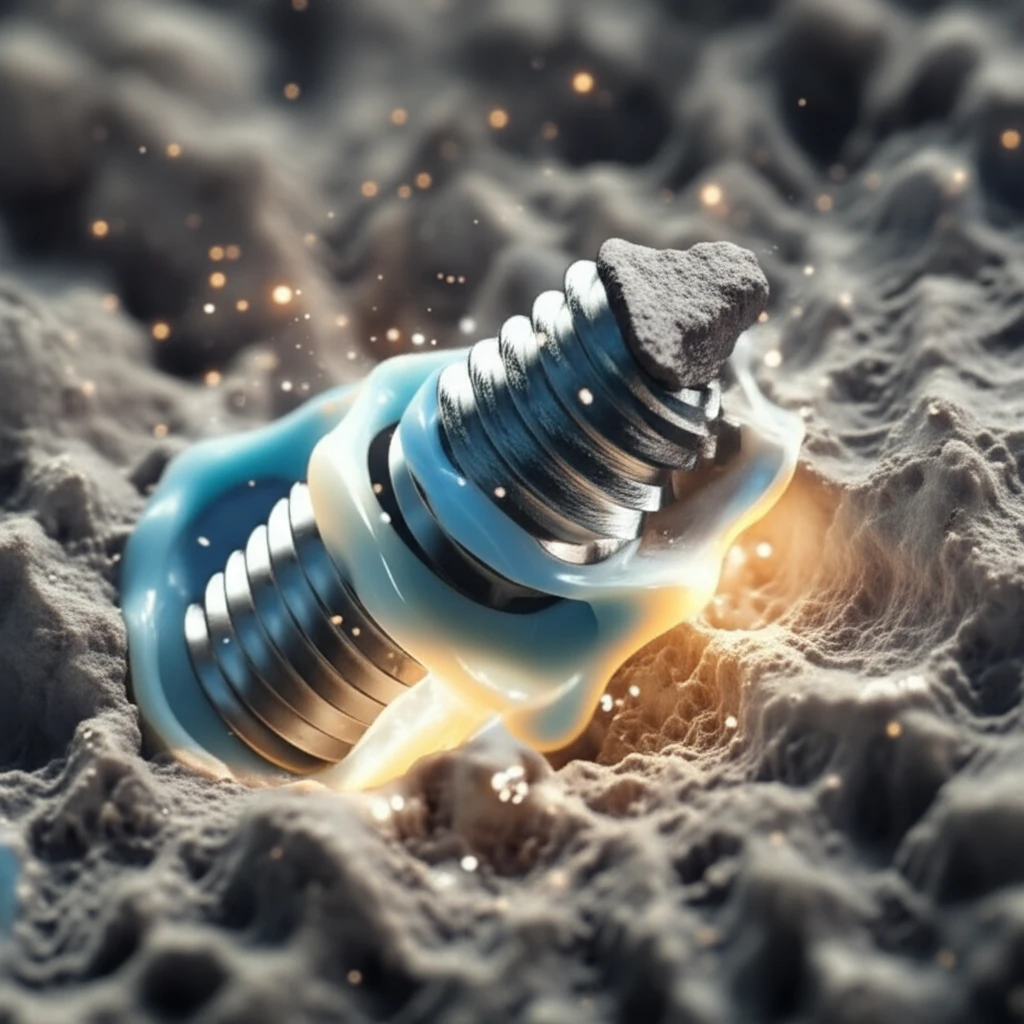
So, how does sandblasting work its magic? The process involves bombarding the titanium surface with abrasive particles, typically aluminum oxide. This roughens the surface, creating a greater surface area for the porcelain to adhere to. Think of it like preparing a wall for painting – a rough surface allows the paint to grip better and last longer.
- Enhanced Mechanical Interlocking: The roughened surface provides microscopic crevices for the porcelain to mechanically interlock with the titanium.
- Increased Surface Area: A larger surface area allows for more contact points between the titanium and porcelain, maximizing adhesion.
- Improved Wettability: Sandblasting cleans the titanium surface, removing contaminants and oxides that can hinder bonding. This improves the wettability of the surface, allowing the porcelain to spread and adhere more evenly.
Is Sandblasting Right for Your Dental Crown?
If you're considering titanium ceramic crowns, discussing sandblasting with your dentist is a smart move. It's a relatively simple and cost-effective technique that can significantly improve the longevity and durability of your dental restoration. While other factors, such as the specific materials used and the dentist's expertise, also play a crucial role, sandblasting provides an added layer of protection, ensuring your smile stays bright and strong for years to come.