
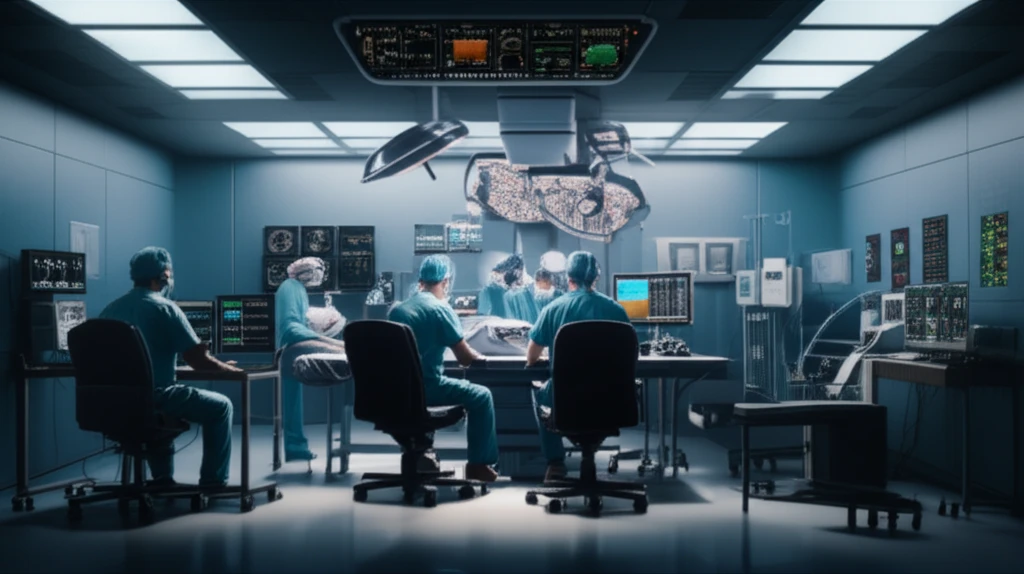
Safety in the Shadows: How Interventional Radiology is Building a Culture of Care

"From the Skies to the Scan Room: Learning from Aviation's Safety Successes to Protect Patients in Interventional Radiology"
In the high-stakes world of interventional radiology, where minimally invasive procedures save lives daily, the focus is shifting. It's no longer enough to be skilled; a strong culture of safety is essential. This article dives into how interventional radiology is learning from other high-risk fields like aviation, to protect both patients and healthcare providers.
Drawing inspiration from the aviation industry's Crew Resource Management, we explore how interventional radiology is building a culture of safety. This involves everything from better communication and teamwork to recognizing and supporting the often-overlooked "second victims" of medical errors – the healthcare providers themselves.
This shift isn't just about procedures; it's about people. By understanding the challenges and implementing these strategies, interventional radiology is setting a new standard for patient care, creating a supportive environment for everyone involved.
Aviation-Inspired Safety: Key Lessons for Interventional Radiology
Aviation has a long history of prioritizing safety, and interventional radiology is beginning to apply similar principles. Crew Resource Management (CRM), a cornerstone of aviation safety, emphasizes teamwork, communication, and recognizing human limitations. The aviation industry’s focus on detailed planning, pre-flight briefings, and post-flight debriefings provides a roadmap for safer practices in interventional radiology.
- Pre-Procedure Briefings: Similar to a pilot’s pre-flight briefing, interventional radiology teams are now using pre-procedure briefings.
- Checklists: Aviation uses checklists to ensure all steps are followed. Interventional radiology uses checklists to confirm essential steps.
- Teamwork and Communication: CRM in aviation emphasizes clear communication and teamwork. Interventional radiology is adopting strategies like the TeamSTEPPS program to improve communication and coordination.
- Debriefing: After each flight, pilots debrief to identify what went well and what could be improved.
The Future of Safety in Interventional Radiology
The journey towards a robust safety culture in interventional radiology is ongoing. By embracing teamwork, open communication, and learning from every experience, interventional radiology is paving the way for a future where patient care is as safe as it is innovative. This commitment to safety is not just a goal; it's the foundation upon which the next generation of healthcare is being built.