
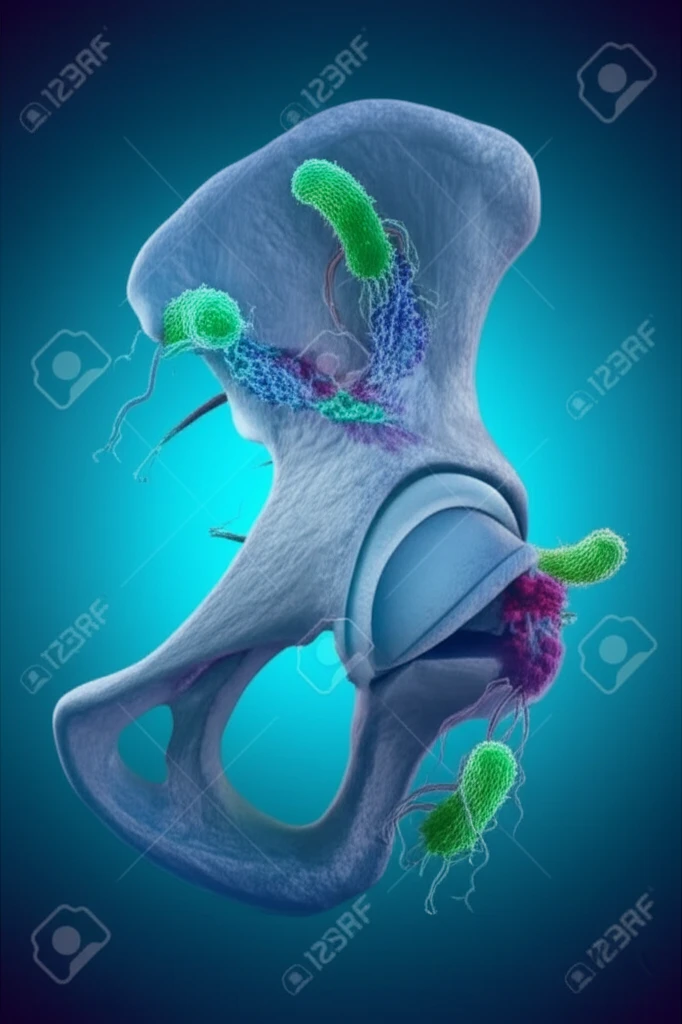
Surreal illustration of sacroiliac joint affected by bacterial infection.

Sacroiliitis: When Back Pain Signals a Hidden Infection

"Unmasking the rare but serious link between common bacteria and joint inflammation."


Back pain is a common ailment, often dismissed as a result of poor posture, strenuous activity, or the everyday stresses of life. However, sometimes, persistent pain can signal a more serious underlying issue, such as infective sacroiliitis. This condition involves the inflammation of the sacroiliac joint—where your spine connects to your pelvis—due to an infection.

Infective sacroiliitis is a rare condition, affecting only a small percentage of individuals with septic arthritis. This diagnostic challenge mimics other musculoskeletal problems, delaying diagnosis and treatment. While gram-positive bacteria are frequently identified as the cause, this article sheds light on a less common culprit: Klebsiella pneumoniae.

This article aims to provide a comprehensive overview of infective sacroiliitis, detailing its causes, diagnosis, and treatment options. We will explore a unique case report that highlights Klebsiella pneumoniae as a rare cause of this condition, emphasizing the importance of considering infection as a potential factor in joint pain, particularly in individuals with diabetes.

Klebsiella pneumoniae: An Uncommon Culprit in Sacroiliac Joint Infection

Surreal illustration of sacroiliac joint affected by bacterial infection.

While Staphylococcus aureus is often identified, Gram-negative organisms, such as Klebsiella pneumoniae, are less common causes. These cases are reported in individuals with compromised immune systems.

The study reported a case of a 62-year-old woman with poorly controlled diabetes who developed septic arthritis. Initial blood cultures revealed gram-negative bacilli, later identified as Klebsiella pneumoniae. This highlights the importance of considering Klebsiella pneumoniae as a potential cause of septic arthritis, particularly in vulnerable populations.

  • Fever and general malaise
  • Localized pain in the lower back, buttocks, or hip
  • Pain aggravated by movement or weight-bearing
  • Stiffness in the affected joint
Prompt diagnosis is essential to prevent complications such as joint damage and the spread of infection. Diagnostic methods include blood cultures, imaging studies (CT scans and MRIs), and joint aspiration. Early diagnosis of bacterial strains helps in treatment and recovery process.

The Path Ahead: Awareness, Early Detection, and Focused Treatment

In conclusion, sacroiliitis can be challenging to diagnose. Infection can be a possible cause, and should be considered in patients with coxofemoral pain, pubalgia, abdominal pain and psoitis. Increased awareness of the uncommon link between Klebsiella pneumoniae and sacroiliac joint infections is critical for enabling timely diagnosis and treatment.

Healthcare professionals should maintain a high index of suspicion for infective sacroiliitis, especially in patients presenting with risk factors such as diabetes, immunodeficiency, or a history of intravenous drug use. Early diagnostic measures, including blood cultures and imaging studies, can help identify the underlying cause and guide appropriate treatment strategies.

This research reinforces the need for vigilance in identifying Klebsiella pneumoniae as a potential cause of septic arthritis. Through increased awareness, prompt diagnosis, and targeted treatment, clinicians can improve outcomes for patients affected by this rare but serious condition.

About this Article -

This article was crafted using a human-AI hybrid and collaborative approach. AI assisted our team with initial drafting, research insights, identifying key questions, and image generation. Our human editors guided topic selection, defined the angle, structured the content, ensured factual accuracy and relevance, refined the tone, and conducted thorough editing to deliver helpful, high-quality information.See our About page for more information.

This article is based on research published under:

DOI-LINK: 10.1016/j.idcr.2018.e00459, Alternate LINK

Title: Klebsiella Pneumoniae Sacroiliac Septic Arthritis: First Case Report

Subject: Infectious Diseases

Journal: IDCases

Publisher: Elsevier BV

Authors: Yong Chuan Chee, Chong Hong Lim

Published: 2018-01-01

Everything You Need To Know

1

What is Sacroiliitis, and why is it important?

Sacroiliitis is a condition characterized by inflammation of the sacroiliac joint, which connects the spine to the pelvis. This inflammation can be caused by infection, making it a serious concern. The primary implication is that persistent back pain could be a symptom of a deeper underlying issue, rather than just a muscle strain. This requires timely diagnosis and treatment to prevent complications.

2

What causes infective sacroiliitis, and why is Klebsiella pneumoniae significant?

Infective sacroiliitis is caused by an infection within the sacroiliac joint. While various bacteria can cause it, the article highlights Klebsiella pneumoniae as a less common but significant culprit. This is significant because Klebsiella pneumoniae infection is often seen in individuals with compromised immune systems, for instance people with diabetes. The implications are that individuals with these risk factors need to be more aware of the possibility of this type of infection if they experience relevant symptoms, and that doctors should consider it in their diagnosis.

3

What are the common symptoms of infective sacroiliitis?

Common symptoms include fever, malaise, localized pain in the lower back, buttocks, or hip, pain that worsens with movement or weight-bearing, and stiffness in the affected joint. These symptoms are important as they can help in identifying the possibility of infection. Prompt diagnosis and treatment are crucial to prevent complications like joint damage and the spread of infection. Healthcare providers consider symptoms along with diagnostic methods.

4

What is the role of Klebsiella pneumoniae in sacroiliac joint infections?

Klebsiella pneumoniae is highlighted as a rare but significant cause of infective sacroiliitis. This bacterium is usually identified in individuals with weakened immune systems, such as those with diabetes. The study of a 62-year-old woman with poorly controlled diabetes exemplifies this connection. Identifying and treating infections caused by Klebsiella pneumoniae is critical for recovery and preventing long-term complications, as it directly impacts treatment strategies.

5

How is infective sacroiliitis diagnosed?

The diagnosis of infective sacroiliitis involves a combination of methods. These include blood cultures to identify the infecting bacteria, imaging studies (CT scans and MRIs) to visualize the joint, and joint aspiration to analyze fluid from the joint. Early and accurate diagnosis is essential for effective treatment and recovery. Awareness of these methods enables timely interventions, preventing further joint damage and complications. The primary goal is early diagnosis to identify the specific bacterial strains that are the cause of the infection.

Newsletter Subscribe

Subscribe to get the latest articles and insights directly in your inbox.