
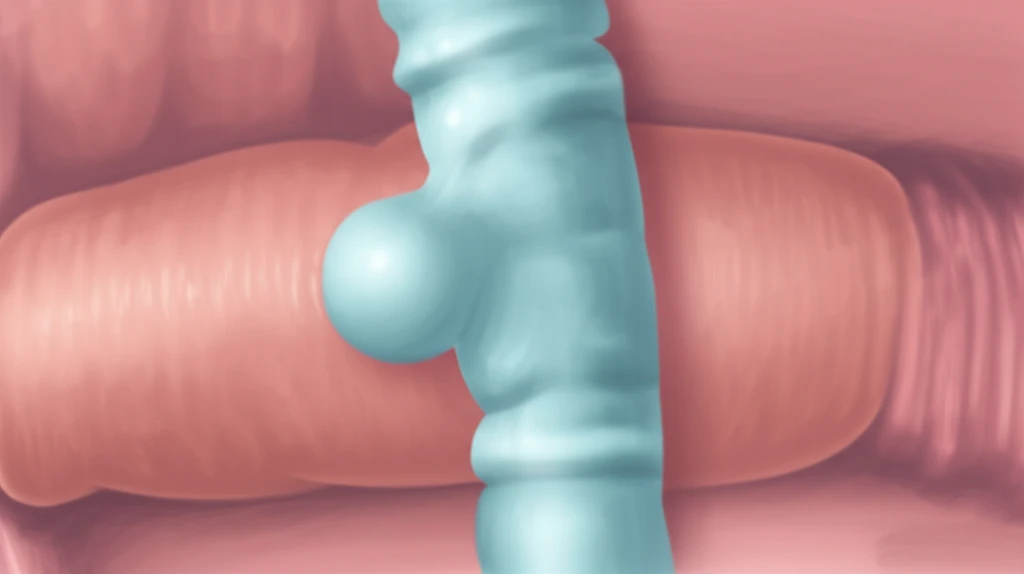
Rare Condition Alert: How a Tracheal Diverticulum Led to Unexpected Swallowing Problems

"Uncover the complexities of tracheal diverticula and their surprising impact on dysphagia, offering insights for early diagnosis and effective management."
Tracheal diverticula, though rare, are benign conditions marked by small, air-filled pockets that form near the trachea. These pockets can be singular or multiple. They often go unnoticed, but a recent study using chest computed tomography (CT) found that they appear in 2% to 3.7% of patients examined.
In most cases, individuals may not even realize they have a tracheal diverticulum because the symptoms are often vague. Ideally, high resolution computed tomography (CT) scans are essential for confirming the presence and characteristics of these diverticula. Once diagnosed, surgical removal is typically the preferred treatment method.
Here, we explore the case of a 61-year-old woman with an acquired tracheal diverticulum, where the primary and only symptom was dysphagia. This case shines a light on the less common ways tracheal diverticula can manifest, providing key insights for diagnosis and treatment.
What is a Tracheal Diverticulum and Why Does it Cause Swallowing Problems?
A tracheal diverticulum is an uncommon anomaly featuring a small pouch or sac protruding from the trachea, the windpipe that carries air to your lungs. These diverticula are categorized as either congenital, meaning present from birth, or acquired, developing later in life.
- Weak Spots in the Trachea: The trachea’s structure includes cartilage and membranous sections. Weaknesses at these junctions can allow pouches to form.
- Increased Pressure: Chronic coughing or respiratory infections can raise pressure in the trachea, leading to herniation of the lining.
- Prior Surgeries: In some instances, previous surgeries, like thyroidectomies, can compromise the tracheal wall, predisposing it to diverticulum formation.
Early Detection and Management of Tracheal Diverticulum
For individuals experiencing persistent swallowing difficulties, it’s essential to consult with a healthcare professional to explore the possibility of a tracheal diverticulum. High-resolution CT scans can confirm the diagnosis, allowing for timely intervention and improved quality of life. While the condition is rare, understanding its potential impact can lead to more effective management and relief from associated symptoms.