
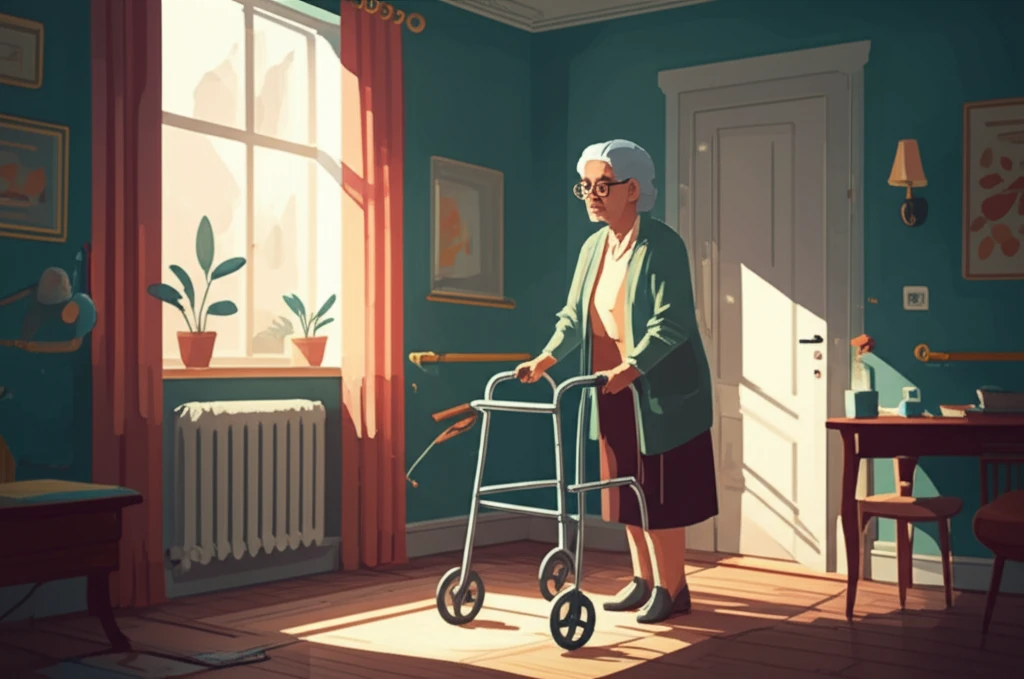
Preventing Unintentional Injuries: A Comprehensive Guide for Caregivers

"Understanding risk factors and effective strategies to protect older adults from falls and other accidents"
As a healthcare manager, staying informed about the latest research in injury prevention is crucial for promoting the well-being of my patients. This article sheds light on unintentional injuries, offering valuable insights that can be directly applied to improve care strategies.
The language we use matters. Instead of "accident," which implies inevitability, the term "unintentional injury" better reflects the fact that many injuries are preventable through proactive measures.
It's important to recognize that the risk of injury increases with age, particularly for women over 55 and men over 65. Understanding the specific factors that contribute to these injuries in older adults is the first step toward creating a safer environment.
Key Risk Factors and Prevention Strategies
Several factors can increase the likelihood of unintentional injuries in older adults. Recognizing these risks is essential for targeted prevention efforts.
- Recent falls or a history of recurrent falls
- Gait and balance problems
- Living in institutional settings
- Low bone density and osteoporosis
Taking Action for a Safer Future
The Haddon model, which describes injuries in three stages (pre-event, event, and post-event), emphasizes that human, product, and environmental factors play a role at each stage. By understanding these stages, we can develop targeted interventions to minimize risks.
Motivational interviewing techniques can empower individuals to explore their ambivalence toward change and take proactive steps to improve their safety. Collaborative efforts between professionals, healthcare organizations, and community members are essential to promote health at a community level.
Initiatives like establishing a UK-wide injury database will provide valuable data to inform future campaigns and tailor health promotion strategies to specific communities and locations. By working together, we can create safer environments and reduce the incidence of unintentional injuries in older adults.