
PPFE: Unmasking the Mystery of This Rare Lung Disease

"Dive into the depths of pleuroparenchymal fibroelastosis (PPFE), exploring its characteristics, diagnosis, and potential treatments."
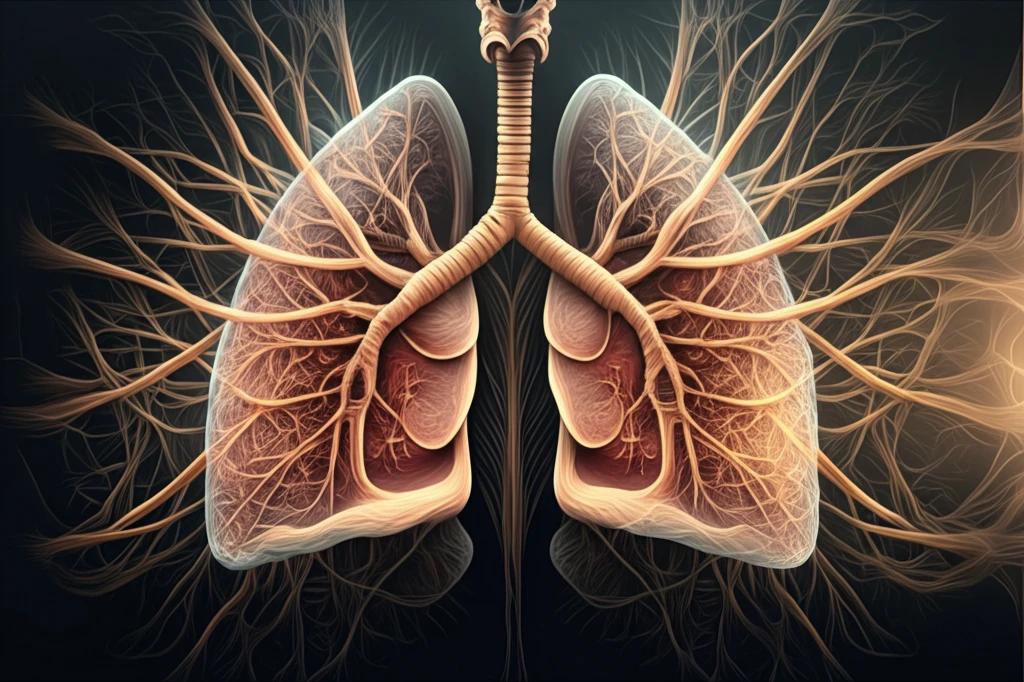
Imagine struggling for breath, your lungs tightening with each passing day. This is the reality for individuals battling pleuroparenchymal fibroelastosis (PPFE), a rare and progressive lung disease. PPFE is marked by fibrosis (scarring) and elastosis (thickening of elastic fibers) in the pleura (outer lining of the lungs) and the parenchyma (functional tissue of the lungs). Often, it predominantly affects the upper lobes of the lungs.
First formally described in the early 1990s, PPFE is increasingly recognized as a distinct entity within the spectrum of interstitial lung diseases (ILDs). What sets PPFE apart is its unique combination of clinical, radiological, and histopathological features. The causes of PPFE remain largely enigmatic, although associations with lung or bone marrow transplantation, certain medications, and familial predisposition have been observed.
This article aims to shed light on PPFE, delving into its defining characteristics, diagnostic approaches, and current understanding of its potential origins and progression. We'll explore what makes PPFE unique, how it's diagnosed, and the ongoing research efforts seeking effective treatments.
Decoding PPFE: Key Characteristics and Diagnostic Clues
Diagnosing PPFE requires careful assessment, integrating clinical history, radiological findings, and histopathological examination. High-resolution computed tomography (HRCT) scans play a crucial role, often revealing pleural thickening and subpleural fibrosis, predominantly in the upper lobes. However, these findings can overlap with other lung diseases, necessitating further investigation.
- Intense fibrosis of the visceral pleura (lining of the lung)
- Prominent fibroelastosis in the subpleural region (area beneath the pleura)
- Preservation of the lung parenchyma distant from the pleura
- Mild and patchy lymphoplasmacytic infiltrates (immune cells)
- Presence of small numbers of fibroblastic foci (active scar-forming cells)
Hope for the Future: Unraveling the Mysteries of PPFE
While PPFE remains a challenging disease, ongoing research offers hope for improved diagnosis and treatment. Understanding the underlying mechanisms driving fibrosis and elastosis is crucial for developing targeted therapies. Further studies are needed to identify specific risk factors, genetic predispositions, and environmental triggers associated with PPFE. By unraveling these mysteries, we can pave the way for personalized treatment strategies and ultimately improve the lives of individuals affected by this rare and debilitating lung disease.