
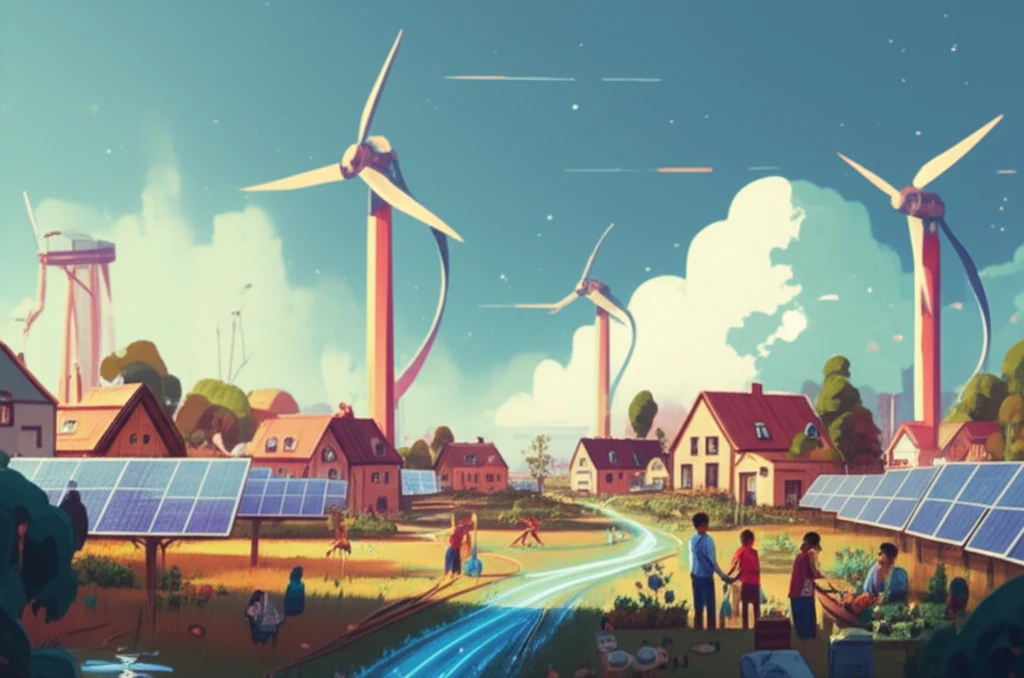
Power to the People: How Utility Populism Can Revolutionize Energy

"Discover the surprising potential of rural electric cooperatives to drive clean energy and empower communities."
In the aftermath of the 2016 election, much has been said about the disconnect between the political establishment and the American people. Often overlooked is the simple fact that many—especially the poor and marginalized—don't participate in the political process at all. Structural barriers and a sense of abandonment have left many feeling their voices don't matter.
But what if there was a way to reignite civic engagement while simultaneously addressing one of the most pressing issues of our time: climate change? Enter the twenty-first-century electric cooperative, a potentially transformative player in the struggle for power—both literal and political—in rural America.
These cooperatives, deeply rooted in the communities they serve, offer a unique opportunity to empower individuals, drive the transition to renewable energy, and challenge the status quo. Let's explore how utility populism is quietly reshaping the energy landscape and giving power back to the people.
The Untapped Potential of Rural Electric Cooperatives (RECs)
Rural electric cooperatives (RECs) are member-owned and operated utilities that provide electricity to rural areas. Over 900 RECs serve 42 million ratepayers across 47 states, providing 11% of the nation's electricity. Crucially, they serve 93% of the country's persistent poverty counties, 85% of which are in non-metropolitan areas.
- Community Control: Member-owned structure empowers local residents.
- Renewable Integration: Driving the shift away from fossil fuels.
- Economic Benefits: Lower energy costs for households.
A Brighter Future Powered by the People
The story of rural electrification is a reminder that transformative change can come from the ground up. By empowering local communities and prioritizing their needs, RECs can pave the way for a more just and sustainable energy future.
However, challenges remain. From entrenched interests to the threat of federal budget cuts, RECs face significant obstacles. But the growing wave of member activism suggests that a new era of utility populism is on the horizon.
As we strive to build a cleaner, more equitable society, let's not overlook the potential of these community-owned powerhouses. By supporting and amplifying their efforts, we can truly bring power to the people and build a brighter future for all.