
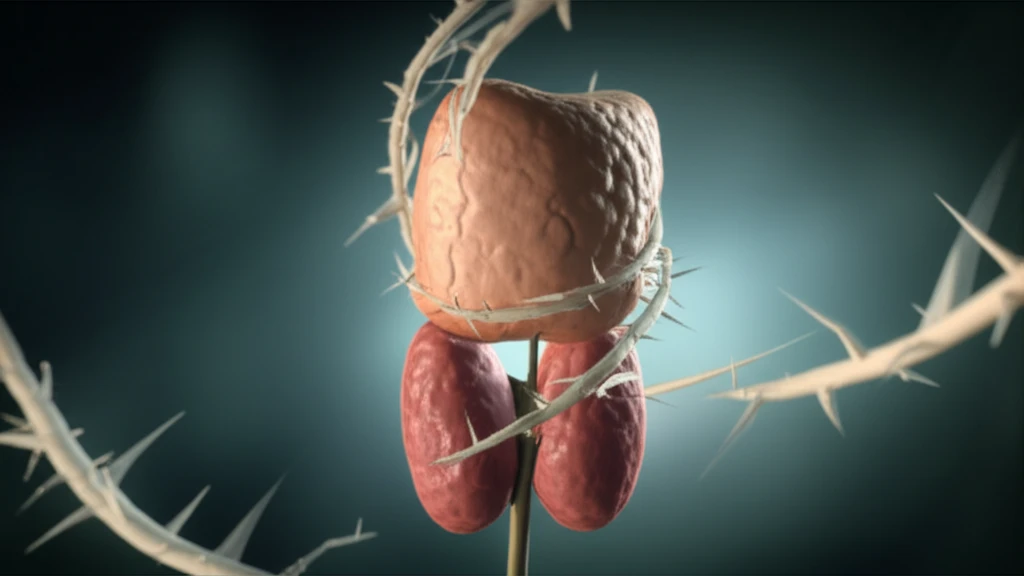
Surreal illustration of a parathyroid gland with calcium crystals.

Parathyroid Carcinoma: Decoding this Rare Cancer

"A Comprehensive Guide to Understanding, Identifying, and Managing Parathyroid Carcinoma"


Parathyroid carcinoma (PTCA) is an exceptionally rare form of cancer, affecting less than 1% of individuals diagnosed with primary hyperparathyroidism. This contrasts sharply with the more common causes of hyperparathyroidism, such as adenomas (80-85%) and hyperplasia (10-15%). Given its rarity, understanding PTCA is crucial for early detection and effective management.

This type of cancer arises from the parathyroid glands, four small glands located in the neck, responsible for regulating calcium levels in the body. When carcinoma develops, it disrupts this delicate balance, leading to a range of health issues. Recognizing the subtle signs and risk factors associated with PTCA is the first step toward ensuring timely intervention.

This article aims to provide a comprehensive overview of PTCA, drawing upon a detailed case study and current medical research. We will explore the diagnostic challenges, treatment strategies, and potential long-term outcomes, offering valuable insights for patients, caregivers, and healthcare professionals alike.

What are the Key Signs and Symptoms?

Surreal illustration of a parathyroid gland with calcium crystals.

The clinical manifestations of parathyroid carcinoma primarily stem from the excessive secretion of parathyroid hormone (PTH) by a functional tumor. Rather than the physical effects of the tumor mass itself, it’s the hormonal imbalance that triggers the most noticeable symptoms. These can vary widely but often include:

Many people initially present with symptoms related to hypercalcemia, the elevated calcium levels in the blood caused by excessive PTH. Hypercalcemia can manifest in several ways:

  • Bone Disease: Bone pain, fractures, and deformities due to increased calcium release from bones.
  • Kidney Disease: Kidney stones, excessive urination, and impaired kidney function due to calcium deposits.
  • Gastrointestinal Issues: Nausea, vomiting, constipation, and abdominal pain.
  • Neurological Symptoms: Fatigue, weakness, confusion, and in severe cases, coma.
  • Cardiac Issues: Arrhythmias and other heart-related problems.
In some instances, a palpable neck mass may be detected during a physical examination, raising suspicion for parathyroid carcinoma. However, it's essential to note that not all individuals with PTCA will present with a noticeable lump. Due to the diverse range of symptoms and the relatively slow progression of the disease, diagnosis can often be delayed.

Advancements and Future Directions

Parathyroid carcinoma is a complex endocrine malignancy that necessitates a collaborative approach for accurate evaluation and management. Increased understanding of the pathogenesis of parathyroid cancer, including molecular pathology, is likely to improve management in the future.

About this Article -

This article was crafted using a human-AI hybrid and collaborative approach. AI assisted our team with initial drafting, research insights, identifying key questions, and image generation. Our human editors guided topic selection, defined the angle, structured the content, ensured factual accuracy and relevance, refined the tone, and conducted thorough editing to deliver helpful, high-quality information.See our About page for more information.

Everything You Need To Know

1

What exactly is parathyroid carcinoma?

Parathyroid carcinoma (PTCA) is a very rare type of cancer that starts in the parathyroid glands. These glands, usually four in number, are located in the neck and control the body's calcium levels by producing parathyroid hormone (PTH). PTCA disrupts this process, leading to an overproduction of PTH and, consequently, hypercalcemia. While PTCA is rare, distinguishing it from more common causes of hyperparathyroidism, like adenomas or hyperplasia, is crucial for proper management.

2

What are the main symptoms someone might experience?

The most common symptoms of parathyroid carcinoma are related to hypercalcemia, which is caused by excessive parathyroid hormone (PTH) secretion. This can manifest as bone pain, kidney stones, nausea, fatigue, and even cardiac issues. In some cases, a palpable neck mass may be present. It's important to note that the symptoms can vary, and the disease may progress slowly, which can delay diagnosis. The symptoms are generally caused by the hormonal imbalance, not the physical tumor.

3

How is parathyroid carcinoma typically diagnosed?

Diagnosing parathyroid carcinoma can be challenging due to its rarity and the variability of symptoms. Diagnosis typically involves blood tests to measure calcium and parathyroid hormone (PTH) levels, imaging studies to locate any tumors, and, ultimately, a biopsy to confirm the presence of cancerous cells. Differentiating PTCA from other parathyroid conditions, like adenomas or hyperplasia, requires careful evaluation. Increased understanding of the molecular pathology of parathyroid cancer is likely to improve management in the future.

4

Why is recognizing parathyroid carcinoma so important?

Parathyroid carcinoma is significant because, unlike more common parathyroid conditions such as adenomas and hyperplasia, it is a cancerous condition that requires a more aggressive treatment approach. Its rarity, accounting for less than 1% of hyperparathyroidism cases, means that healthcare professionals need to be particularly vigilant in recognizing its signs and symptoms. Early and accurate diagnosis, along with appropriate management strategies, are essential for improving outcomes for individuals with PTCA. The pathogenesis of parathyroid cancer, including molecular pathology, is likely to improve management in the future.

5

What are the typical treatment options for parathyroid carcinoma?

Currently, the primary treatment for parathyroid carcinoma is surgical removal of the tumor. This may also involve removing surrounding tissue to ensure all cancerous cells are eliminated. In cases where surgery is not feasible or the cancer has spread, radiation therapy and chemotherapy may be considered. However, the effectiveness of these treatments can vary. The management of PTCA often requires a multidisciplinary approach involving endocrinologists, surgeons, oncologists, and other specialists to optimize patient care.

Newsletter Subscribe

Subscribe to get the latest articles and insights directly in your inbox.