
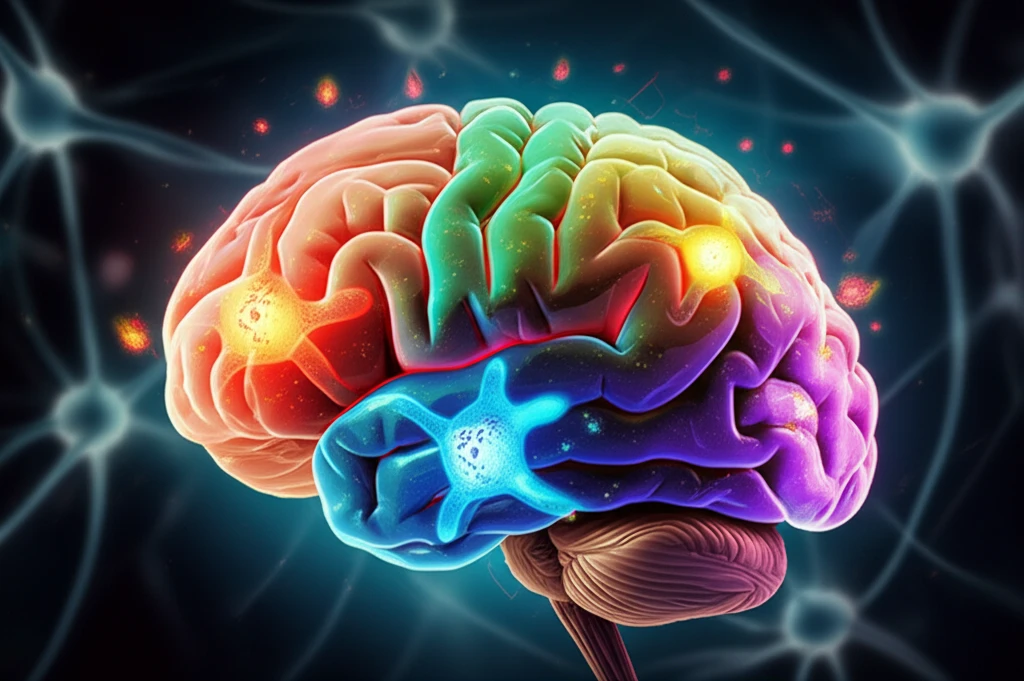
Palm Fruit Power: Can It Help Your Brain Fight Back Against Inflammation?

"New research explores how compounds from palm fruit might protect brain health by calming inflammation linked to diseases like Alzheimer's and Parkinson's."
In the relentless pursuit of better health, scientists are constantly seeking new ways to protect our brains from the ravages of age-related diseases. Among the most promising avenues of research is the exploration of natural compounds that can combat inflammation, a known culprit in the development of conditions like Alzheimer's and Parkinson's disease. A recent study sheds light on the potential of Palm Fruit Bioactives (PFB), a complex mix of substances extracted from the fruit of the oil palm, in modulating brain inflammation.
Neurodegenerative diseases, which include Alzheimer's, Parkinson's, and Huntington's disease, are becoming increasingly prevalent, placing a growing burden on healthcare systems and individuals worldwide. These conditions often stem from chronic inflammation within the brain, a process where the immune system goes into overdrive, causing damage to nerve cells. The challenge lies in finding effective ways to quell this inflammation and protect the delicate environment of the brain.
This article explores the science behind PFB and its potential role in reducing inflammation in the brain. We'll unpack the latest research, discuss how PFB interacts with brain cells, and explore the potential implications for preventing and treating neurodegenerative diseases. With a focus on clear, accessible language, we aim to provide a comprehensive understanding of this exciting area of research.
Unpacking Inflammation: The Brain's Silent Threat
Inflammation in the brain, also known as neuroinflammation, is a complex process that can have a profound impact on brain health. When the brain perceives a threat, such as an infection or injury, it activates its immune response. This response involves various cells, including astrocytes, which are star-shaped cells that play a crucial role in maintaining the brain's delicate balance.
- Increased Cytokine Production: Activated astrocytes release cytokines like TNFα, RANTES, and IP-10, which worsen inflammation.
- Oxidative Stress: Overproduction of reactive oxygen species (ROS) causes damage to brain cells.
- Cellular Adhesion: Increased expression of ICAM and VCAM helps recruit inflammatory cells.
The Future of Brain Health: PFB and Beyond
The study's findings open exciting avenues for future research. While this research provides compelling evidence of PFB's potential in reducing brain inflammation, more research is needed to fully understand how PFB works and its long-term effects. This research underscores the importance of continued exploration into natural compounds for promoting brain health and offers a ray of hope in the fight against neurodegenerative diseases. It underscores the importance of exploring natural compounds for brain health. As we learn more about the power of PFB, we move closer to a future where we can better protect and preserve our cognitive abilities.