
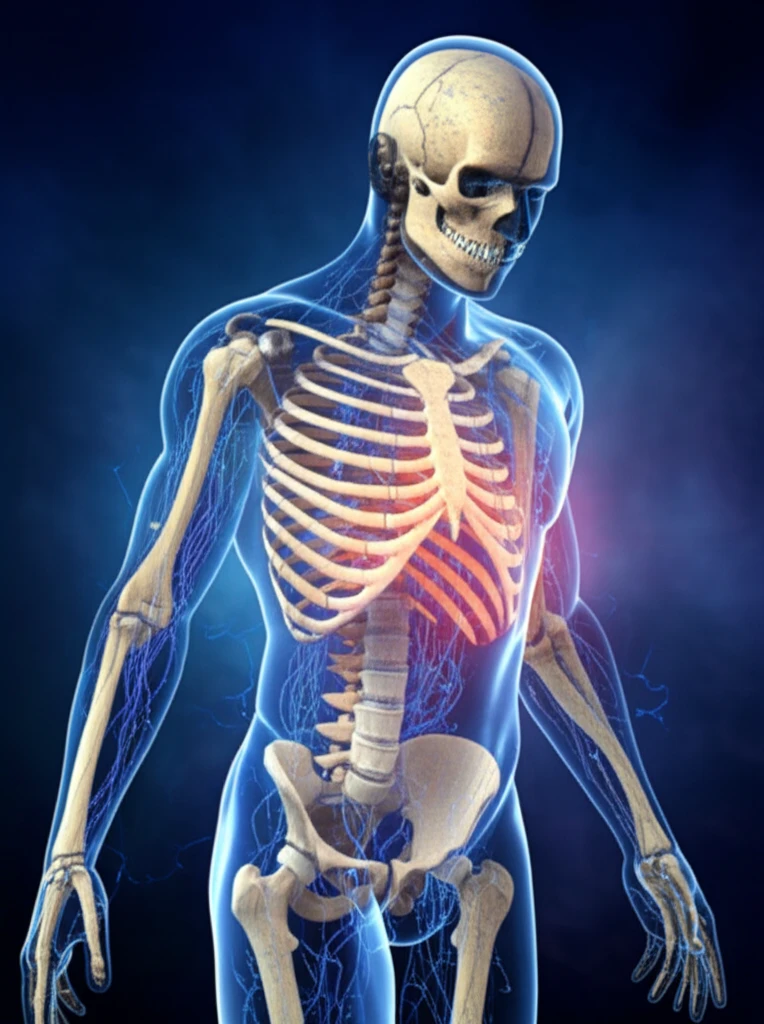
Strong bone structure in men

Osteoporosis in Men: A Family Doctor's Guide to Prevention and Care

"Don't think osteoporosis is just a 'woman's disease.' Here's how to spot the risks, get diagnosed, and stay strong, even as you age."


It's easy to assume osteoporosis is a female problem, but men are also vulnerable, especially as they get older. While discussions often center on women, the reality is that men experience bone loss and fractures too. Family doctors are at the forefront of identifying and managing many health conditions, but knowledge about male osteoporosis may be less common.

This article is designed to bridge that gap, providing you with a clear understanding of osteoporosis in men. We'll cover the key risk factors, how it's diagnosed, and the treatments available to help men maintain strong bones and avoid debilitating fractures.

As the population ages, it's more important than ever to recognize and address osteoporosis in men. Let's dive in and learn how to keep the men in your care healthy and active.

Is Your Male Patient at Risk? Spotting the Signs of Osteoporosis

Strong bone structure in men

Osteoporosis in men can be either primary (idiopathic) or secondary, with secondary causes accounting for 30-60% of cases. Several factors increase a man's risk, including:

It's essential to proactively screen male patients for osteoporosis risk factors during routine checkups. Don't just rely on assumptions, actively look for these indicators.

  • Past fractures after age 50 from minor falls
  • Family history of hip fractures or osteoporosis
  • Lack of physical activity
  • Frequent falls
  • Use of sedatives
  • Low body mass index (BMI)
  • Smoking
  • Excessive alcohol consumption
  • Certain medications, like corticosteroids
  • Underlying conditions that affect bone health
If a patient presents with these risk factors or clinical signs of secondary causes, further investigation is warranted. A FRAX® score calculation, with or without BMD, can help predict the ten-year risk of fracture. Remember, FRAX includes factors like prior fractures, parental history, smoking, and long-term oral glucocorticoid use.

Taking Action: Key Steps for Managing Male Osteoporosis

Early detection and management are crucial. Osteoporosis in men is increasingly common, but it can be prevented, diagnosed, and treated effectively. Be proactive in screening older men and those with significant risk factors.

Treatment options like bisphosphonates (alendronate and risedronate) are proven to increase bone density and reduce vertebral fracture risk. Risedronate has also shown promise in reducing hip fracture risk in specific populations. Teriparatide is an alternative when bisphosphonates aren't tolerated or in cases of hypogonadism.

Consider specialist referral. Men, especially younger individuals or those with severe osteoporosis, may benefit from evaluation at an endocrinology, rheumatology, or orthopaedic clinic. By staying informed and acting early, we can help men maintain strong bones and live active, fulfilling lives.

About this Article -

This article was crafted using a human-AI hybrid and collaborative approach. AI assisted our team with initial drafting, research insights, identifying key questions, and image generation. Our human editors guided topic selection, defined the angle, structured the content, ensured factual accuracy and relevance, refined the tone, and conducted thorough editing to deliver helpful, high-quality information.See our About page for more information.

This article is based on research published under:

DOI-LINK: 10.11622/smedj.2014085, Alternate LINK

Title: Male Osteoporosis: Clinical Approach And Management In Family Practice

Subject: General Medicine

Journal: Singapore Medical Journal

Publisher: Medknow

Authors: Lh Goh, Ch How, Tc Lau

Published: 2014-01-01

Everything You Need To Know

1

What should family doctors look for when screening male patients for osteoporosis?

Family doctors should proactively screen male patients for osteoporosis risk factors during routine checkups. Key indicators to look for include past fractures after age 50 from minor falls, family history of hip fractures or osteoporosis, lack of physical activity, frequent falls, use of sedatives, low body mass index (BMI), smoking, excessive alcohol consumption, use of certain medications like corticosteroids, and underlying conditions that affect bone health. Identifying these factors is crucial for early detection and management of osteoporosis.

2

What is a FRAX score, and how is it used in managing male osteoporosis?

The FRAX score is a tool used to predict the ten-year risk of fracture in individuals. It takes into account factors such as prior fractures, parental history of hip fracture, smoking status, and long-term oral glucocorticoid use. The FRAX score can be calculated with or without Bone Mineral Density (BMD) to provide a more comprehensive assessment of fracture risk. If a patient presents with risk factors for osteoporosis, calculating a FRAX score can help determine the need for further investigation and intervention.

3

What are the primary and secondary causes of osteoporosis in men, and how do they differ?

Osteoporosis in men can be either primary (idiopathic) or secondary. Secondary osteoporosis accounts for 30-60% of cases in men. Primary osteoporosis has no identifiable underlying cause related to the condition itself, while secondary osteoporosis results from other underlying conditions or factors such as certain medications (like corticosteroids), excessive alcohol consumption, smoking, low body mass index, lack of physical activity, family history of osteoporosis and frequent falls.

4

Is osteoporosis really a concern for men, or is it mainly a women's health issue?

Men are indeed at risk of osteoporosis, especially as they age. While it's often considered a women's disease, men experience bone loss and fractures as well. Several factors increase a man's risk, including past fractures after age 50 from minor falls, family history of hip fractures or osteoporosis, lack of physical activity and excessive alcohol consumption. It is important to spot the signs of osteoporosis and stay strong.

5

What are the key steps for managing male osteoporosis to prevent fractures?

Early detection and management are crucial. Osteoporosis in men is increasingly common, but it can be prevented, diagnosed, and treated effectively. Proactive screening of older men and those with significant risk factors is essential. A FRAX score calculation, with or without BMD, can help predict the ten-year risk of fracture. Remember, FRAX includes factors like prior fractures, parental history, smoking, and long-term oral glucocorticoid use. Lifestyle changes, such as increasing physical activity and reducing alcohol consumption, along with medical treatments, can help maintain strong bones and prevent debilitating fractures.

Newsletter Subscribe

Subscribe to get the latest articles and insights directly in your inbox.