
Opioid Addiction and Your Brain: How to Break Free

"Uncover the mysteries of opioid addiction and explore the latest insights into brain plasticity, offering hope and strategies for lasting recovery."
Opioid addiction is a widespread crisis, affecting millions and placing a heavy burden on individuals, families, and communities. While opioids can be effective for pain management, their misuse and addictive potential have led to devastating consequences. Understanding the complexities of opioid addiction is essential to developing better prevention and treatment strategies.
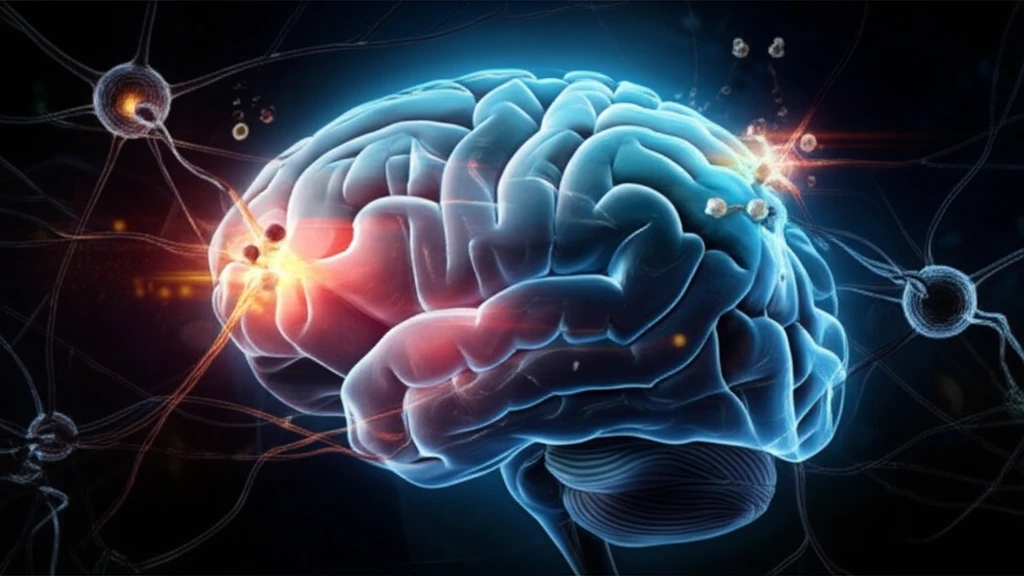
One promising area of research focuses on the brain's ability to adapt and change, known as plasticity. Scientists are exploring how opioids alter neural circuits in the prefrontal cortex (mPFC) and nucleus accumbens (NAc), two brain regions critical for reward, motivation, and cognitive control. By unraveling the mechanisms of this opioid-induced plasticity, researchers hope to identify new targets for interventions that can restore healthy brain function and break the cycle of addiction.
This article delves into the current understanding of opioid-induced plasticity in the mPFC and NAc, drawing primarily from electrophysiology data in preclinical models. We will explore potential relevance of this plasticity to unique facets of opioid addiction (e.g., reward, drug-seeking, and dependence).
The Ongoing Impact of Opioid Addiction
Opioid addiction remains a serious health and wellness concern affecting individuals, families, and communities. Its impact can include changes in daily functioning, relationships, and physical health. Because the risks vary by person and pattern of use, people concerned about opioid use should seek guidance from a qualified healthcare professional.
What Opioids Are and Why Treatment Requires Care
Opioids are a class of natural, semi-synthetic, and synthetic drugs that includes prescription pain medicines and illegal drugs such as heroin. They are used to relieve moderate-to-severe acute or chronic pain, but they also have high addiction potential and can lead to opioid use disorder and overdose. The term opioid is generally used broadly today, although some sources distinguish opioids from opiates. Because benefits and risks depend on the individual and the medication, Cleveland Clinic recommends discussing them with a healthcare provider.
From Pain Relief to Recognized Risk
Opioid medicines have long been used to control severe pain, including pain after surgery. The Mayo Clinic reports that these medicines can be safe when used as directed by a doctor. It also emphasizes that risks arise when they are not used correctly, helping explain why opioid treatment requires careful medical oversight.
Decoding Opioid-Induced Brain Changes: What We Know So Far
The medial prefrontal cortex (mPFC) plays a crucial role in reward, motivated behavior, and cognitive control. Within the mPFC, the prelimbic (PrL) and infralimbic (IL) regions exert opposing influences on behavior. Understanding how opioids affect these distinct regions and their connections to other brain areas, such as the nucleus accumbens (NAc), is vital for developing targeted interventions.
- Acute Exposure: Morphine attenuates the excitatory response of pyramidal neurons to glutamate.
- Prolonged Exposure: Reduced metabolic activity in frontal cortical regions correlates with impaired control over drug intake.
- Cue-Induced Craving: Drug-associated cues trigger increased activation of frontal cortex regions.
What Current Research May Clarify
Research on opioid addiction continues to examine how opioid use affects the brain, behavior, and recovery. Findings may improve understanding of why dependence develops and why recovery can differ between individuals. Because research evolves, emerging findings should be interpreted cautiously and discussed with qualified healthcare professionals.
Why One Approach May Not Work for Everyone
No single strategy is likely to address every person’s experience of opioid addiction. Differences in health, substance use, support, and access to care can affect outcomes. When an approach is ineffective, reassessment and professional support may be needed rather than treating the setback as personal failure.
Comparing Paths to Recovery
Recovery approaches can differ in intensity, setting, timing, and the type of support they provide. Their usefulness may depend on a person’s medical needs, goals, circumstances, and access to treatment. Comparing options with a qualified professional can help identify an appropriate and safer path.
Toward a Future of Targeted Treatments
Understanding the intricacies of opioid-induced plasticity in the brain is crucial for developing more effective treatments. By identifying the specific neural circuits and molecular mechanisms involved in addiction, researchers can pave the way for targeted interventions that restore healthy brain function and help individuals break free from the cycle of opioid abuse.
A Whole-Person View of Recovery
Understanding opioid addiction requires attention to both brain-related changes and the person’s broader life circumstances. Recovery may involve medical care, behavioral support, and sustained attention to health and safety. Professional guidance can help connect these elements into an individualized plan.
The Future of Opioid Addiction Care
Future work may improve prevention, treatment, and long-term recovery support. Researchers and clinicians will need to address both the medical aspects of opioid addiction and the practical barriers that make care difficult to access. Progress should be evaluated by whether it produces safer, more effective, and more reachable support.
Challenges Beyond the Individual
Opioid addiction is shaped not only by individual decisions but also by healthcare access, social conditions, and available support. Unequal access to prevention and treatment can make recovery more difficult. Addressing these broader challenges is important alongside providing compassionate care to individuals.
Recovery Is Personal
Opioid addiction can affect a person’s health, relationships, work, and sense of stability. Recovery is therefore more than stopping drug use; it also involves rebuilding safety, trust, and daily functioning. Compassionate, individualized support can help people pursue recovery without reducing them to their diagnosis.