
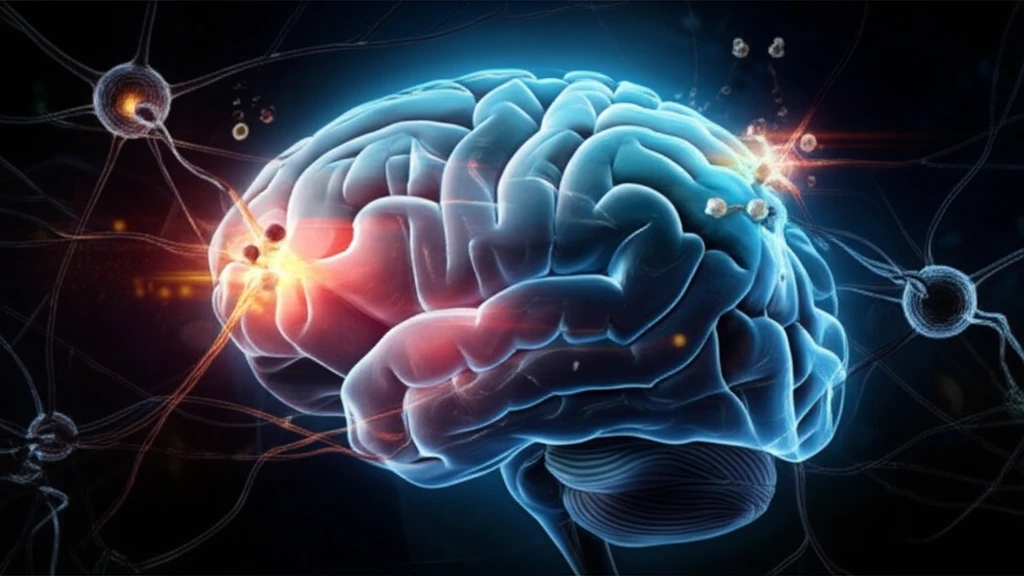
Brain plasticity and opioid addiction

Opioid Addiction and Your Brain: How to Break Free

"Uncover the mysteries of opioid addiction and explore the latest insights into brain plasticity, offering hope and strategies for lasting recovery."


Opioid addiction is a widespread crisis, affecting millions and placing a heavy burden on individuals, families, and communities. While opioids can be effective for pain management, their misuse and addictive potential have led to devastating consequences. Understanding the complexities of opioid addiction is essential to developing better prevention and treatment strategies.

One promising area of research focuses on the brain's ability to adapt and change, known as plasticity. Scientists are exploring how opioids alter neural circuits in the prefrontal cortex (mPFC) and nucleus accumbens (NAc), two brain regions critical for reward, motivation, and cognitive control. By unraveling the mechanisms of this opioid-induced plasticity, researchers hope to identify new targets for interventions that can restore healthy brain function and break the cycle of addiction.

This article delves into the current understanding of opioid-induced plasticity in the mPFC and NAc, drawing primarily from electrophysiology data in preclinical models. We will explore potential relevance of this plasticity to unique facets of opioid addiction (e.g., reward, drug-seeking, and dependence).

Decoding Opioid-Induced Brain Changes: What We Know So Far

Brain plasticity and opioid addiction

The medial prefrontal cortex (mPFC) plays a crucial role in reward, motivated behavior, and cognitive control. Within the mPFC, the prelimbic (PrL) and infralimbic (IL) regions exert opposing influences on behavior. Understanding how opioids affect these distinct regions and their connections to other brain areas, such as the nucleus accumbens (NAc), is vital for developing targeted interventions.

Research suggests that prolonged opioid exposure can lead to reduced metabolic activity in frontal cortical regions, potentially impairing the ability to control drug intake. Interestingly, drug "craving" in opioid users is linked to increased activation of frontal cortex regions when exposed to drug-associated cues. In essence, PFC neurons may undergo unique changes following prolonged drug use to show both hypo- and hyperactive states.

  • Acute Exposure: Morphine attenuates the excitatory response of pyramidal neurons to glutamate.
  • Prolonged Exposure: Reduced metabolic activity in frontal cortical regions correlates with impaired control over drug intake.
  • Cue-Induced Craving: Drug-associated cues trigger increased activation of frontal cortex regions.
Emerging research indicates that opioids can induce unique forms of plasticity in PFC neurons, allowing them to exhibit hypo- and hyperactive states following prolonged drug use. These changes can impact a person's cognitive abilities and lead to compulsive behaviors. These findings underscore the need for interventions that target specific neural circuits and restore healthy brain function.

Toward a Future of Targeted Treatments

Understanding the intricacies of opioid-induced plasticity in the brain is crucial for developing more effective treatments. By identifying the specific neural circuits and molecular mechanisms involved in addiction, researchers can pave the way for targeted interventions that restore healthy brain function and help individuals break free from the cycle of opioid abuse.

About this Article -

This article was crafted using a human-AI hybrid and collaborative approach. AI assisted our team with initial drafting, research insights, identifying key questions, and image generation. Our human editors guided topic selection, defined the angle, structured the content, ensured factual accuracy and relevance, refined the tone, and conducted thorough editing to deliver helpful, high-quality information.See our About page for more information.

This article is based on research published under:

DOI-LINK: 10.1016/j.phrs.2018.11.012, Alternate LINK

Title: Prefrontal-Accumbens Opioid Plasticity: Implications For Relapse And Dependence

Subject: Pharmacology

Journal: Pharmacological Research

Publisher: Elsevier BV

Authors: Matthew Hearing

Published: 2019-01-01

Everything You Need To Know

1

What specific brain regions are most impacted by opioid use, and what roles do they play?

Opioid use primarily affects the medial prefrontal cortex (mPFC) and the nucleus accumbens (NAc). The mPFC is critical for reward, motivated behavior, and cognitive control, with its prelimbic (PrL) and infralimbic (IL) regions exerting opposing influences. The NAc is involved in reward processing and motivation. Opioids alter neural circuits within these regions, leading to changes in behavior and cognitive function.

2

How does opioid exposure affect the activity of neurons in the prefrontal cortex (PFC), and what are the consequences?

Prolonged opioid exposure can lead to unique forms of plasticity in PFC neurons, causing them to exhibit both hypoactive and hyperactive states. Initially, acute exposure to opioids like morphine can attenuate the excitatory response of pyramidal neurons. Over time, reduced metabolic activity in frontal cortical regions may impair the ability to control drug intake. Exposure to drug-associated cues can then trigger increased activation of frontal cortex regions, leading to craving. These changes in the PFC can impair cognitive abilities and lead to compulsive behaviors.

3

What is prefrontal-accumbens plasticity, and why is it significant in the context of opioid addiction?

Prefrontal-accumbens plasticity refers to the brain's ability to adapt and change the neural circuits within the mPFC and NAc in response to opioids. This plasticity is significant because it underlies many facets of opioid addiction, including reward processing, drug-seeking behavior, and the development of dependence. Understanding this plasticity helps researchers identify potential targets for interventions aimed at restoring healthy brain function.

4

What are the potential implications of understanding the effects of opioids on the prelimbic (PrL) and infralimbic (IL) regions of the mPFC?

Understanding the specific effects of opioids on the PrL and IL regions is crucial because these regions have opposing influences on behavior. Opioids' impact on these regions can affect the brain's ability to regulate reward, motivation, and cognitive control. This knowledge can lead to the development of targeted interventions to normalize the balance between PrL and IL activity. By understanding how opioids affect these regions and their connections to the NAc, scientists can create more effective therapies.

5

How can the knowledge of opioid-induced plasticity lead to improved treatment strategies for opioid addiction?

By understanding the specific neural circuits and molecular mechanisms altered by opioids within the mPFC and NAc, researchers can develop more targeted interventions. These interventions could focus on restoring healthy brain function by addressing the specific changes in neural circuits. This may involve strategies to counteract the hypo- and hyperactivity of PFC neurons, thus helping individuals break free from the cycle of opioid abuse and supporting lasting recovery.

Newsletter Subscribe

Subscribe to get the latest articles and insights directly in your inbox.