
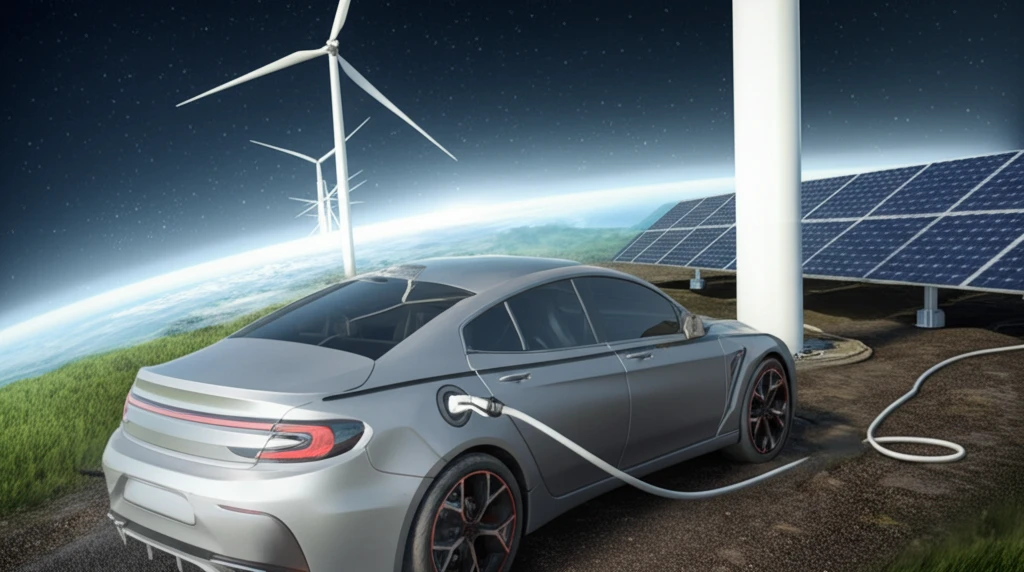
Electric car charging with renewable energy

Oil vs. Electricity: Is the Future Electric?

"Discover how electric vehicles and renewable energy are poised to disrupt the oil industry, changing how we power our world."


For decades, oil has dominated the global energy landscape. But the rise of electricity, driven by technological advancements and environmental concerns, is challenging this supremacy. While oil currently fuels much of the world, the future may look very different.

The transition isn't just about swapping fuels; it's a fundamental shift in how we think about energy production, distribution, and consumption. This evolution is driven by three key factors: the rise of electric vehicles (EVs), the urgent need to reduce carbon emissions, and the growing recognition among investors that climate change poses a significant financial risk.

These trends suggest a future where electricity plays an increasingly vital role, powered by cleaner, renewable resources. But how quickly will this transition occur, and what will it mean for the oil industry and consumers alike?

Why Electricity Could Overtake Oil

Electric car charging with renewable energy

Several factors point to a future where electricity gains ground on oil:

The Rise of Electric Vehicles: Electric vehicles are poised to displace gasoline and diesel-powered cars, impacting the most profitable segment of the oil industry.

  • Reducing Carbon Emissions: The global push for lower emissions is driving investment in renewable energy and reducing reliance on fossil fuels.
  • Investor Sentiment: Major investors are increasingly wary of climate risk, shifting capital away from companies with a heavy carbon footprint.
Regardless of political stances or short-term price fluctuations, the long-term trajectory favors electricity generated from renewable sources. This shift is subtle but steady, promising a cleaner and more sustainable energy future.

The Future is Electric, but Transition is Key

Oil will continue to play a role for years to come. However, the momentum is building for electricity, particularly from renewable sources. As technology advances and costs decline, expect to see electricity powering more of our lives, paving the way for a cleaner, more sustainable future.

About this Article -

This article was crafted using a human-AI hybrid and collaborative approach. AI assisted our team with initial drafting, research insights, identifying key questions, and image generation. Our human editors guided topic selection, defined the angle, structured the content, ensured factual accuracy and relevance, refined the tone, and conducted thorough editing to deliver helpful, high-quality information.See our About page for more information.

Everything You Need To Know

1

What are the primary factors driving the shift from oil to electricity as a main energy source?

The transition from oil to electricity is primarily driven by three key factors: the increasing adoption of Electric Vehicles (EVs), the global push to reduce carbon emissions, and the growing awareness among investors regarding the financial risks associated with climate change. Electric vehicles are set to replace gasoline and diesel vehicles reducing reliance on oil. The urgent need to lower emissions encourages investments in renewable energy sources. Investors are shifting capital away from carbon-heavy industries, recognizing the long-term financial risks tied to fossil fuels.

2

How are Electric Vehicles expected to impact the oil industry?

Electric Vehicles (EVs) are poised to significantly impact the oil industry by displacing gasoline and diesel-powered vehicles. This shift directly affects the most profitable segment of the oil industry, which relies heavily on fuel consumption for transportation. As more consumers adopt EVs, the demand for gasoline and diesel decreases, leading to a reduction in oil consumption and potentially reshaping the energy market landscape. This transition impacts the entire supply chain of oil from exploration and extraction to refining and distribution.

3

Why is investor sentiment playing a crucial role in the transition from oil to electricity?

Investor sentiment plays a crucial role because major investors are becoming increasingly aware of the financial risks associated with climate change. This awareness leads them to shift capital away from companies with a heavy carbon footprint, such as those in the oil industry, and towards companies focused on renewable energy and sustainable technologies. This redirection of investment can accelerate the growth of the renewable energy sector, making electricity a more viable and attractive alternative to oil.

4

How does the transition to electricity relate to the reduction of carbon emissions?

The transition to electricity is strongly linked to the reduction of carbon emissions because electricity can be generated from renewable sources such as solar, wind, and hydro power, which produce significantly less greenhouse gases compared to burning fossil fuels like oil. By shifting towards electricity generated from renewable sources, the global reliance on fossil fuels decreases, leading to a substantial reduction in overall carbon emissions and supporting efforts to combat climate change. The integration of renewable energy sources into the electrical grid becomes paramount in achieving these emission reductions.

5

In what ways could advancements in technology accelerate the shift from oil to electricity, and what implications might this have?

Technological advancements play a pivotal role in accelerating the shift from oil to electricity through several key avenues. Improvements in battery technology enhance the range and efficiency of Electric Vehicles (EVs), making them a more practical and appealing option for consumers. Cost reductions in renewable energy technologies, such as solar panels and wind turbines, make electricity generated from these sources more competitive with oil. Furthermore, the development of smart grids and energy storage solutions improves the reliability and distribution of electricity, addressing some of the historical limitations of renewable energy sources. The implications of this accelerated shift are far-reaching. It can lead to a cleaner, more sustainable energy future with reduced greenhouse gas emissions, decreased reliance on finite oil reserves, and the creation of new industries and jobs in the renewable energy sector. However, it also poses challenges for the oil industry, potentially leading to job losses and economic disruption in regions heavily dependent on oil production.

Newsletter Subscribe

Subscribe to get the latest articles and insights directly in your inbox.