
Numbness After a Jaw Fracture? How to Regain Feeling and Function

"A comprehensive guide to understanding, treating, and recovering from nerve damage after a mandibular fracture, with expert insights and practical advice."
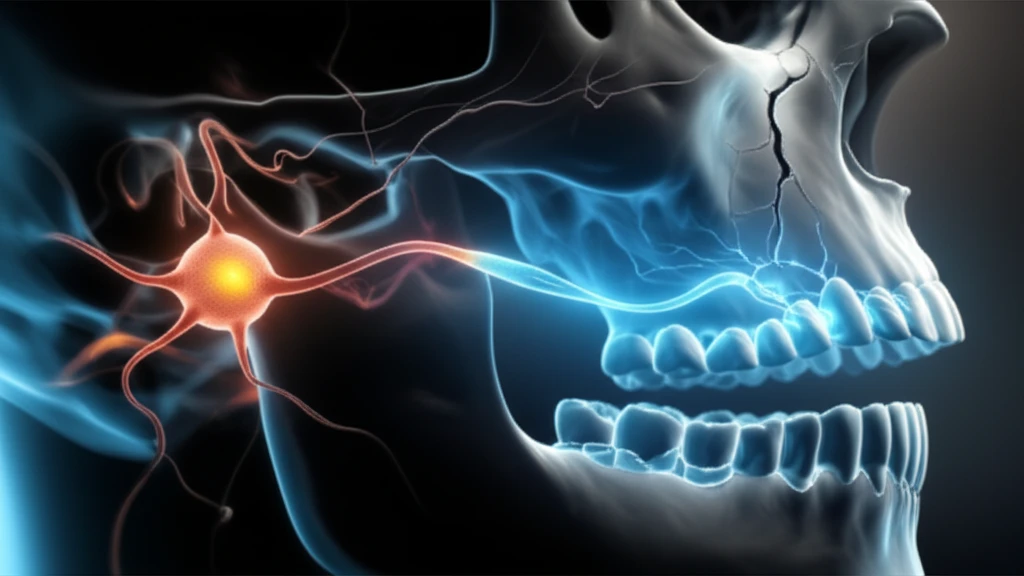
A broken jaw, or mandibular fracture, is a painful and disruptive injury. What many people don't realize is that these fractures can often lead to nerve damage, specifically affecting the inferior alveolar nerve (IAN). This nerve is responsible for sensation in your lower teeth, gums, lip, and chin. When it's injured, you might experience numbness, tingling, or altered sensation—a condition known as neurosensory deficit.
The IAN can be damaged at the time of the fracture, or during the surgery to repair it. Sometimes the nerve is directly compressed or cut by the bone fragments. Other times, the manipulation and fixation required to stabilize the jaw can cause secondary trauma to the nerve.
If you're experiencing numbness or altered sensation after a jaw fracture, know that you're not alone, and recovery is possible. This guide will walk you through the causes of IAN injury, what to expect during recovery, and proven strategies to help you regain feeling and function.
Why Numbness Matters
Numbness after a jaw fracture can affect sensation in the lower lip, chin, and teeth, but its severity and duration vary. Recovery depends on factors such as the injury itself, fracture characteristics, and treatment. Persistent or changing symptoms warrant assessment by a qualified oral and maxillofacial professional.
Assessing Nerve Dysfunction
The inferior alveolar nerve can be damaged within the mandibular canal or after exiting through the mental foramen, either through direct trauma or manipulation during surgery. Sensory disturbances before treatment may relate to the fracture's site, type, and displacement, while injury to the neurovascular bundle can produce a neurosensory deficit. Studies evaluate sensory changes and recovery time, but the available data on the natural history and long-term outcomes of these deficits remain scarce.
Understanding the Inferior Alveolar Nerve
Research has long examined inferior alveolar nerve injury in mandibular fractures using continuously recorded hospital databases, including records from two Amsterdam maxillofacial departments. Mandibular fractures are commonly treated with open reduction and internal fixation, but the nerve's close proximity to the fracture and the surgical field creates opportunities for injury both before and after treatment. Later prospective work focused on measuring prevalence, post-treatment injury, and the time to sensory normalization.
Why Does Jaw Fractures Cause Nerve Damage?
The inferior alveolar nerve (IAN) runs through a canal in the mandible (lower jawbone), supplying sensation to the lower teeth, lip, and chin. Fractures in this area can directly impact the nerve through several mechanisms:
- Direct Trauma: The fracture itself can compress, stretch, or even sever the nerve. Bone fragments may directly impinge upon the nerve.
- Surgical Intervention: Surgical procedures like open reduction and internal fixation (ORIF), while necessary to stabilize the fracture, can inadvertently cause nerve damage. Manipulation of bone fragments, placement of screws, or swelling post-surgery can all contribute.
- Inflammation and Swelling: Post-operative inflammation and swelling can compress the nerve within the bony canal, leading to temporary or prolonged sensory disturbances.
New Directions in Recovery Research
A June 2026 study is investigating whether the initial, three-dimensionally quantified displacement of mandibular angle fractures correlates with recovery of inferior alveolar nerve sensory function after open reduction and internal fixation. A literature review describes the inferior alveolar nerve as supplying sensation to the lower lip, chin, and teeth and discusses regeneration techniques for injuries associated with mandibular fractures and other procedures. A January 2024 prospective study compares neurosensory recovery after open versus closed reduction for mandibular fractures.
Why Recovery Is Not Predictable
Numbness does not follow one uniform recovery pattern after a jaw fracture. The outcome may differ according to the injury and the fracture's characteristics, and treatment itself can affect the nerve. Because long-term evidence is limited, persistent symptoms should not be interpreted as proof that recovery is impossible or guaranteed.
Comparing Recovery Pathways
Comparisons of jaw-fracture recovery are complicated by differences in fracture location, displacement, nerve involvement, and treatment approach. Sensory outcomes are therefore best interpreted in the context of the individual injury rather than as a single expected timeline. Clinical evaluation remains important when comparing recovery between patients or treatment methods.
The Road to Recovery After Nerve Damage
While experiencing neurosensory deficits after a jaw fracture can be distressing, most patients experience significant improvement over time. Early management, including prompt surgical intervention when necessary, is crucial in minimizing long-term nerve damage. Be patient with the recovery process, follow your healthcare provider's recommendations, and celebrate the small victories along the way. Regaining sensation and function takes time, but with the right approach, you can achieve a successful outcome.
Putting the Evidence Together
Overall, numbness after a mandibular fracture reflects possible injury to the inferior alveolar nerve, but the mechanism and outlook can vary. Direct trauma, fracture characteristics, and surgical manipulation may all be relevant. A careful sensory assessment and follow-up are needed to understand an individual patient's recovery.
Where Research Is Heading
Future research is examining whether precise three-dimensional measurements of fracture displacement can help predict inferior alveolar nerve recovery. Reviews are also exploring techniques intended to support nerve regeneration. These directions may improve prognostic assessment, although the available source material does not establish which approach is most effective.
Building Better Evidence
Research on inferior alveolar nerve injuries has drawn on continuously recorded hospital data from two maxillofacial departments in Amsterdam: the Department of Maxillofacial Surgery at Vrije Universiteit University Medical Center and a division associated with the study. Such databases help investigate the incidence of nerve injury in mandibular fractures. However, differences in injury patterns and treatment contexts can make findings difficult to generalize across healthcare settings.
Living With Altered Sensation
Jaw-fracture-related numbness can change how a person experiences the lower lip, chin, or teeth. The uncertainty of sensory recovery may add to the practical and emotional burden of recovering from the fracture itself. Clear follow-up and individualized assessment can help patients understand what is known about their symptoms and what remains uncertain.