
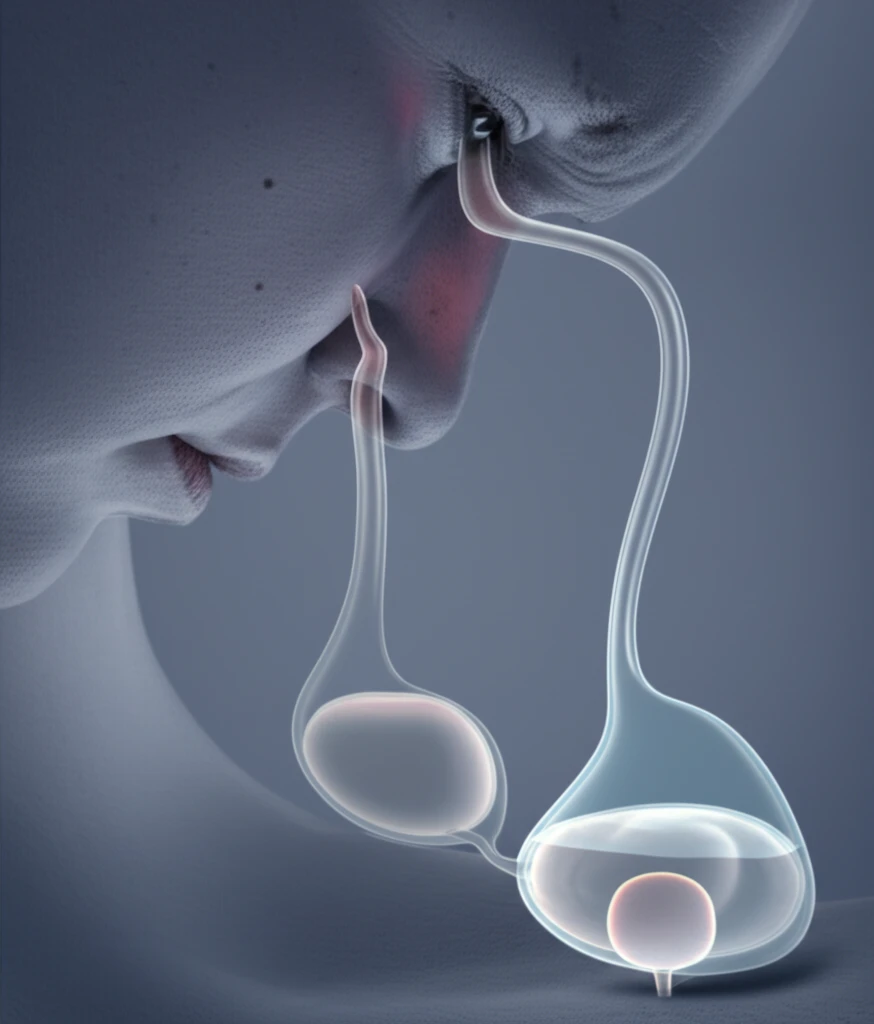
Illustration of nasal congestion affecting bladder function.

Nasal Congestion Relief: Is Your Decongestant Affecting Your Bladder?

"Pseudoephedrine, a common decongestant, could be impacting urinary function, especially in older men. Learn the risks and how to stay safe."


Nasal congestion is a common ailment, often treated with over-the-counter decongestants. Among the most widely used ingredients in these medications is pseudoephedrine, known for its effectiveness in reducing nasal swelling and improving airflow. While generally considered safe, pseudoephedrine can have unintended side effects, particularly concerning urinary function in men.

Many individuals may not be aware that pseudoephedrine, a sympathomimetic drug, can lead to voiding dysfunction, a condition where emptying the bladder becomes difficult. This risk is especially pertinent for older men, who may already experience age-related changes in their urinary systems. Recognizing the potential link between pseudoephedrine and urinary issues is crucial for making informed decisions about managing nasal congestion.

This article explores the findings of a prospective study investigating the effects of pseudoephedrine on voiding function in men. By understanding the potential risks and taking appropriate precautions, individuals can relieve nasal congestion without compromising their urinary health. This information is particularly relevant for those over 50 and those with pre-existing urinary conditions.

What is Voiding Dysfunction and Why Does it Matter?

Illustration of nasal congestion affecting bladder function.

Voiding dysfunction refers to any condition that makes it difficult to empty the bladder completely. Symptoms can include a weak urine stream, difficulty starting urination, frequent urination, and the feeling of incomplete bladder emptying. While voiding dysfunction can stem from various causes, including neurological issues and obstructions, certain medications like pseudoephedrine can exacerbate or trigger these issues.

Pseudoephedrine works by narrowing blood vessels in the nasal passages, reducing swelling and congestion. However, this same mechanism can affect blood vessels in other parts of the body, including those around the bladder and prostate. This can lead to:

  • Increased bladder outlet resistance: Pseudoephedrine can cause the muscles around the bladder neck and prostate to tighten, making it harder for urine to flow out.
  • Relaxation of bladder muscles: The drug's action on beta-adrenergic receptors can relax the smooth muscles in the bladder, reducing its ability to contract and effectively empty.
  • Prostate issues: Men with benign prostatic hyperplasia (BPH), or enlarged prostate, are particularly susceptible, as pseudoephedrine can worsen urinary symptoms.
These effects can lead to urinary retention, a potentially serious condition where the bladder cannot empty. Recognizing the risk factors and symptoms is essential for preventing complications.

Making Informed Choices for Nasal Congestion Relief

Managing nasal congestion requires balancing effective symptom relief with potential side effects. For men, especially those over 50 or with existing urinary issues, awareness of the risks associated with pseudoephedrine is crucial. Consulting with a healthcare provider to discuss alternative decongestants or non-pharmacological options can help ensure both comfort and safety. Staying informed and proactive about your health is the best way to navigate the challenges of nasal congestion while protecting your urinary well-being.

About this Article -

This article was crafted using a human-AI hybrid and collaborative approach. AI assisted our team with initial drafting, research insights, identifying key questions, and image generation. Our human editors guided topic selection, defined the angle, structured the content, ensured factual accuracy and relevance, refined the tone, and conducted thorough editing to deliver helpful, high-quality information.See our About page for more information.

This article is based on research published under:

DOI-LINK: 10.2147/dddt.s108819, Alternate LINK

Title: Voiding Dysfunction In Patients With Nasal Congestion Treated With Pseudoephedrine: A Prospective Study

Subject: Drug Discovery

Journal: Drug Design, Development and Therapy

Publisher: Informa UK Limited

Authors: Yuan-Yun Tam, Chia-Chen Wu, Hsiao-Jung Tseng, Ta-Jen Lee, Yh Lin, I-Hung Shao

Published: 2016-07-01

Everything You Need To Know

1

What is voiding dysfunction and why should I be concerned about it?

Voiding dysfunction is any condition that makes it difficult to completely empty the bladder. Symptoms include a weak urine stream, difficulty starting urination, frequent urination, and feeling like the bladder isn't completely empty. It matters because if the bladder cannot empty completely, it can lead to discomfort, infections, or more serious complications. Some medications can make voiding dysfunction worse. The article explains how pseudoephedrine can affect the ability to urinate.

2

What is pseudoephedrine and what is it used for?

Pseudoephedrine is a common ingredient found in many over-the-counter decongestants used to relieve nasal congestion. It works by narrowing blood vessels in the nasal passages, reducing swelling and improving airflow. However, pseudoephedrine can also affect blood vessels in other parts of the body, potentially leading to unintended side effects, particularly concerning urinary function. This is significant as it shows that medications targeting one area of the body can have effects elsewhere.

3

How can pseudoephedrine affect my ability to urinate properly?

Pseudoephedrine, a sympathomimetic drug, can lead to increased bladder outlet resistance, relaxation of bladder muscles, and exacerbate prostate issues. Increased bladder outlet resistance occurs because pseudoephedrine can cause the muscles around the bladder neck and prostate to tighten, making it harder for urine to flow out. Relaxation of bladder muscles happens because the drug's action on beta-adrenergic receptors can relax the smooth muscles in the bladder, reducing its ability to contract and effectively empty. Men with benign prostatic hyperplasia (BPH), or enlarged prostate, are particularly susceptible, as pseudoephedrine can worsen urinary symptoms.

4

Who is most at risk for experiencing urinary issues from taking pseudoephedrine?

Men, especially those over 50 or with pre-existing urinary issues, are more susceptible to urinary issues from pseudoephedrine. This is because age-related changes in the urinary system or existing conditions like benign prostatic hyperplasia (BPH) can make them more vulnerable to the drug's effects on the bladder and prostate. The article is focused on men over 50 because they are statistically more likely to have BPH. This is significant because it highlights the importance of considering individual risk factors when choosing medications.

5

What can I do to safely manage my nasal congestion without affecting my urinary health?

To manage nasal congestion and protect urinary health, especially if you are a man over 50 or have existing urinary issues, it's crucial to consult with a healthcare provider. Alternative decongestants or non-pharmacological options are available that may provide relief without the same risks as pseudoephedrine. Staying informed and proactive about your health and discussing any concerns with a doctor can help ensure both comfort and safety. The article focuses on making informed decisions, which highlights the significance of individual choice, given awareness of the facts.

Newsletter Subscribe

Subscribe to get the latest articles and insights directly in your inbox.