
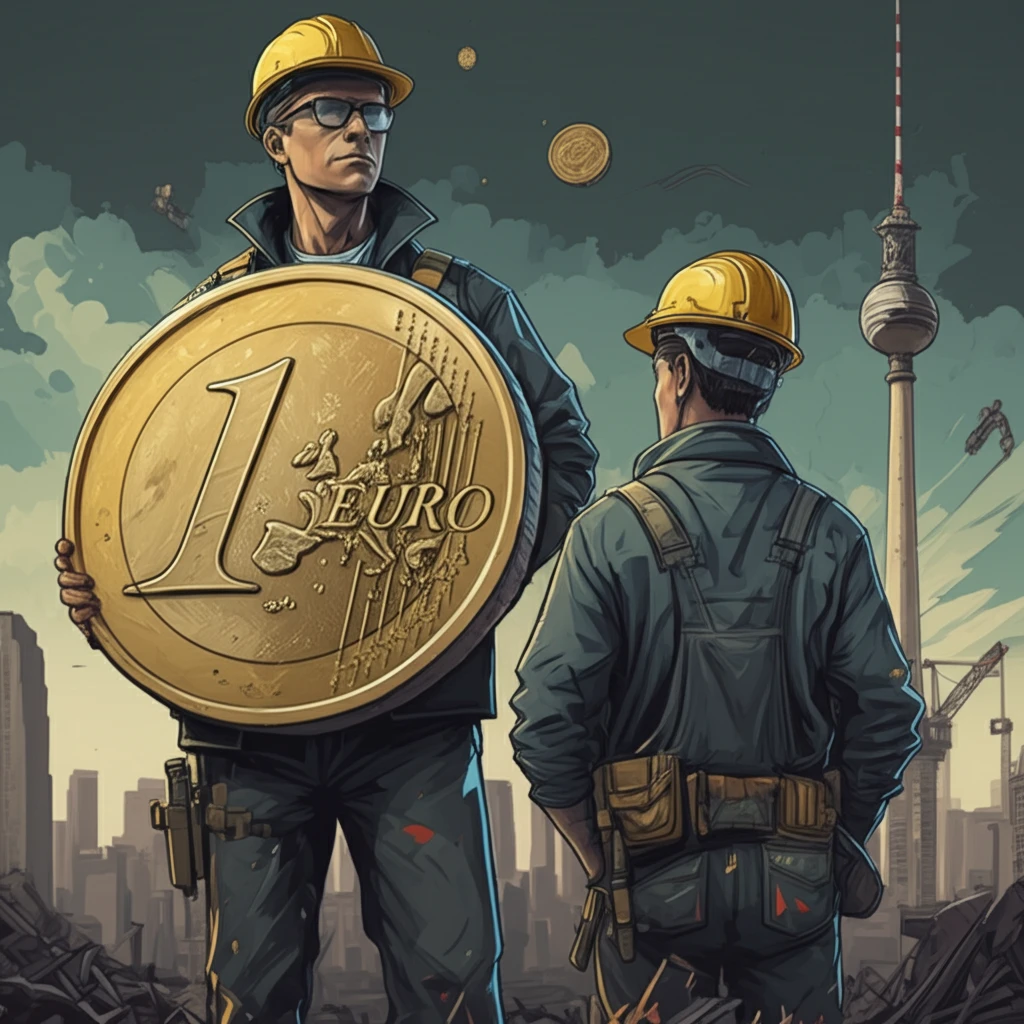
Construction worker holding Euro coin in Berlin

Minimum Wage Hikes: Are They Really That Scary? Unpacking Germany's Bold Move

"A deep dive into Germany's recent 22% minimum wage increase and what it reveals about the real impact on jobs, wages, and the economy."


The debate around minimum wage is ever present, often sparking concerns about potential economic fallout. While some predict job losses and business closures, others champion its power to lift low-wage workers out of poverty and stimulate the economy. To cut through the noise, Germany's recent bold experiment offers some clarity.

In 2022, Germany implemented a substantial 22% increase in its minimum wage, a move that raised eyebrows and sparked considerable discussion. The policy was implemented in two steps, taking it from €9.82 to €10.45 in July and then to €12 in October. How did this affect Germany’s economy? A new study leverages a unique dataset of 8 million employee-level observations to analyze the real-world consequences of this change.

This article explores the findings of this research, diving into the effects on hourly wages, monthly earnings, employment rates, and working hours. By understanding Germany's experience, we can gain valuable insights into the true impact of minimum wage policies and address some of the most pressing concerns surrounding them.

Did Wages Actually Go Up? The Good News for Low-Wage Workers

Construction worker holding Euro coin in Berlin

One of the primary goals of any minimum wage increase is to improve the financial well-being of low-wage workers. The study confirms that the German policy largely succeeded in this regard. The data showed significant positive effects on both hourly and monthly wages, directly benefiting those in the lowest income brackets. This provides strong evidence that minimum wage hikes can be an effective tool in boosting earnings for the working poor, as intended.

Before the policy change, the real concern was about non-compliance, with a substantial percentage of workers earning below the minimum wage. The study found that the wage gap for affected employees almost fully closed after the increase, suggesting a high degree of compliance and a genuine impact on worker paychecks. This is one major thing that low-wage employees do not have to stress about.

  • Increased Hourly Earnings: Low-wage workers experienced a tangible boost in their hourly pay, directly improving their earning potential.
  • Higher Monthly Income: The rise in hourly wages translated into increased monthly earnings, providing greater financial stability.
  • Reduced Non-Compliance: The data indicates that few employers were able to ignore the new policies.
It's not just about more money but also about improving economic security and overall quality of life for a significant portion of the workforce. This was the most significant factor for proponents of this policy.

Germany's Minimum Wage Experiment: A Lesson in Balanced Policy

Germany's experience offers a valuable case study for other nations considering minimum wage adjustments. While every economy is unique, the German example suggests that a carefully implemented and monitored minimum wage increase doesn't have to be a job-killing disaster. The key is to strike a balance, considering the potential impact on both workers and businesses to create a more equitable and sustainable economic future. If this is managed well, many people would agree that all the stress and fears about minimum wage increases is, really, 'nothing crazy!'

About this Article -

This article was crafted using a human-AI hybrid and collaborative approach. AI assisted our team with initial drafting, research insights, identifying key questions, and image generation. Our human editors guided topic selection, defined the angle, structured the content, ensured factual accuracy and relevance, refined the tone, and conducted thorough editing to deliver helpful, high-quality information.See our About page for more information.

This article is based on research published under:

DOI-LINK: https://doi.org/10.48550/arXiv.2405.12608,

Title: A 22 Percent Increase In The German Minimum Wage: Nothing Crazy!

Subject: econ.gn q-fin.ec

Authors: Mario Bossler, Lars Chittka, Thorsten Schank

Published: 21-05-2024

Everything You Need To Know

1

What was the specific percentage increase in the minimum wage in Germany, and when was it implemented?

Germany implemented a 22% increase in its minimum wage. This was rolled out in two stages: the first increase took it from €9.82 to €10.45 in July, followed by a further rise to €12 in October of the same year. This staged approach allowed the economy to adjust gradually to the new wage levels.

2

Did the increased minimum wage in Germany actually result in higher wages for low-wage workers, and what evidence supports this?

Yes, the research indicates that the German minimum wage policy successfully increased wages for low-wage workers. The study used data from 8 million employee-level observations to confirm significant positive effects on both hourly and monthly wages. This data provides strong evidence that the minimum wage hike directly boosted the earnings of the working poor, as intended by the policy.

3

What were the main concerns surrounding the minimum wage increase in Germany, and how did the actual outcomes compare to these concerns?

One of the main concerns was the potential for job losses and business closures due to increased labor costs. However, the German experiment suggests that a carefully implemented and monitored minimum wage increase doesn't have to be a job-killing disaster. The study also addressed concerns about non-compliance by employers. Before the policy change, there was a substantial percentage of workers earning below the minimum wage. Post-increase, the wage gap almost fully closed, indicating a high degree of compliance and a genuine impact on worker paychecks.

4

How did the minimum wage increase in Germany impact the financial well-being of low-wage workers, and what specific metrics were affected?

The German policy significantly improved the financial well-being of low-wage workers. The increase in minimum wage led to increased hourly earnings, which directly improved their earning potential. Additionally, the rise in hourly wages translated into higher monthly incomes, providing greater financial stability for these workers. The research confirms that the minimum wage hikes can be an effective tool in boosting earnings for the working poor.

5

What lessons can other nations learn from Germany's approach to increasing the minimum wage, and what does Germany's experience highlight about the potential impact on the economy?

Other nations can learn from Germany's experience that a carefully implemented minimum wage increase does not necessarily lead to job losses or economic disaster. The key is to strike a balance, considering the potential impact on both workers and businesses. Germany's experience shows that such a policy can be an effective tool for improving economic security and overall quality of life for a significant portion of the workforce. This highlights the importance of monitoring the effects of such policies to ensure that they are achieving their intended goals while minimizing any adverse effects on the economy.

Newsletter Subscribe

Subscribe to get the latest articles and insights directly in your inbox.