
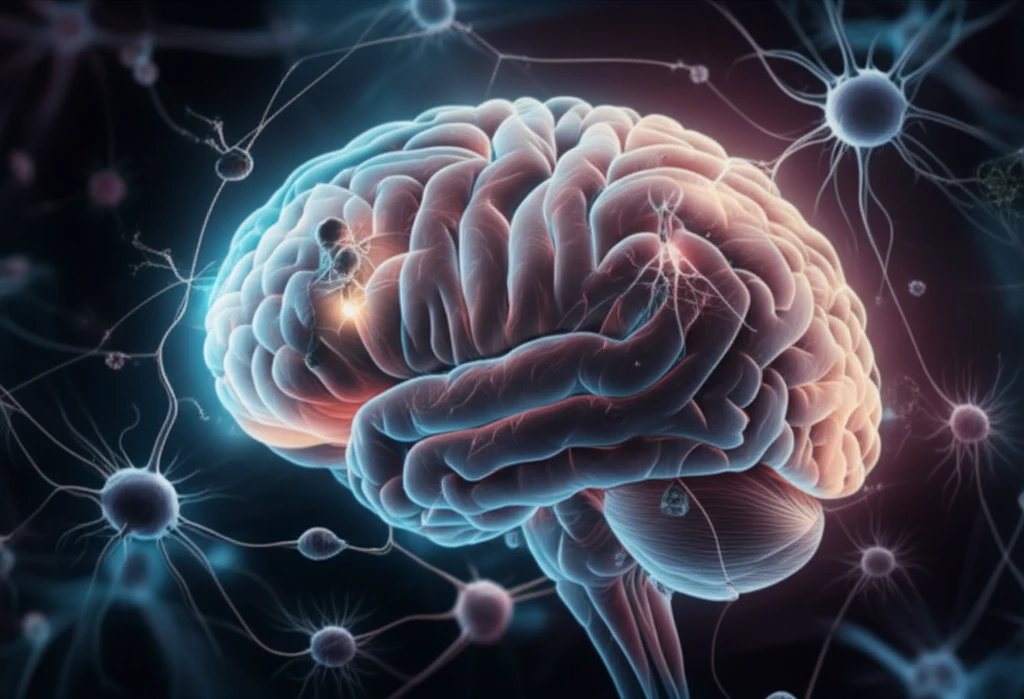
Microglia guardians of the brain.

Microglia: The Brain's Unsung Heroes and Their Role in Neurological Disorders

"Emerging research highlights the crucial role of microglia in maintaining brain health and their involvement in a wide range of neurological conditions, offering new hope for treatment."


For years, microglia, the immune cells residing in the central nervous system (CNS), were largely ignored. They were seen as mere bystanders, only reacting when something went wrong. But recent scientific findings have turned this view on its head. Microglia are now recognized as active and essential participants in the intricate workings of the brain.

These enigmatic cells are now understood to play a crucial role in a variety of conditions, ranging from neurodevelopmental disorders like autism to neurodegenerative diseases such as Alzheimer's and even chronic pain. This paradigm shift has been fueled by new molecular tools and sophisticated mouse models that allow researchers to investigate the function and dysfunction of microglia with unprecedented precision.

This article explores the exciting world of microglia research, delving into their origins, their diverse roles in the healthy brain, and how their dysfunction contributes to neurological disorders. We'll also examine the potential for new therapies that target microglia to treat these debilitating conditions, as well as the hurdles that researchers must overcome to bring these therapies to fruition.

What Are Microglia and What Do They Do?

Microglia guardians of the brain.

Microglia make up approximately 10% of the cells in the central nervous system. Unlike other brain cells, microglia are not derived from the neuroectoderm. Instead, they originate from yolk-sac progenitors during embryonic development, migrating to the brain early on to establish their presence.

In the healthy brain, microglia are highly dynamic. They constantly extend and retract their processes, surveying their local environment for signs of damage or disruption. This constant surveillance allows them to detect and respond to a wide range of signals, helping to maintain brain homeostasis.

  • Surveillance: Microglia constantly monitor their surroundings.
  • Synaptic Pruning: They eliminate unnecessary synapses during development.
  • Plasticity: Microglia contribute to activity-dependent long-term synaptic plasticity.
  • Clearance: They clear cellular debris and toxic proteins, such as amyloid plaques.
While their role as immune cells implies an inflammatory response, microglia have a much broader repertoire of actions. They actively participate in brain function and dysfunction, making them essential for a healthy central nervous system.

The Future of Microglia-Targeted Therapies

As our understanding of microglia's roles in both health and disease expands, so does the potential for developing targeted therapies. By correcting dysfunctional microglia activity and restoring homeostasis, we may find new treatments for a range of neurological disorders. While challenges remain, ongoing research offers hope for innovative therapies and biomarkers that can ultimately improve the lives of those affected by these debilitating conditions.

About this Article -

This article was crafted using a human-AI hybrid and collaborative approach. AI assisted our team with initial drafting, research insights, identifying key questions, and image generation. Our human editors guided topic selection, defined the angle, structured the content, ensured factual accuracy and relevance, refined the tone, and conducted thorough editing to deliver helpful, high-quality information.See our About page for more information.

This article is based on research published under:

DOI-LINK: 10.1038/nm.4397, Alternate LINK

Title: Microglia Emerge As Central Players In Brain Disease

Subject: General Biochemistry, Genetics and Molecular Biology

Journal: Nature Medicine

Publisher: Springer Science and Business Media LLC

Authors: Michael W Salter, Beth Stevens

Published: 2017-09-01

Everything You Need To Know

1

What exactly are microglia, and where do they come from?

Microglia are immune cells that reside within the central nervous system, making up about 10% of the cells there. Unlike other brain cells that originate from the neuroectoderm, microglia are derived from yolk-sac progenitors during embryonic development. They migrate to the brain early in development to establish their presence and begin their crucial roles.

2

What are the main functions of microglia in a healthy brain?

In the healthy brain, microglia perform several critical functions. They are constantly in surveillance mode, monitoring their surroundings for any signs of damage or disruption. They participate in synaptic pruning by eliminating unnecessary synapses during development. Microglia contribute to activity-dependent long-term synaptic plasticity and clear cellular debris and toxic proteins like amyloid plaques. These diverse functions highlight their importance in maintaining brain homeostasis.

3

How has the understanding of microglia's role in the brain changed over time?

For many years, microglia were viewed as passive bystanders, mainly reacting when something went wrong in the brain. However, recent research has revealed that they are active and essential participants in the intricate workings of the brain. This paradigm shift recognizes microglia's crucial role in a variety of conditions, including neurodevelopmental disorders like autism and neurodegenerative diseases like Alzheimer's.

4

In what neurological disorders are microglia believed to play a significant role, and how does their dysfunction contribute to these conditions?

Microglia are implicated in a wide range of neurological disorders, including neurodevelopmental disorders like autism, neurodegenerative diseases such as Alzheimer's, and even chronic pain. Their dysfunction can contribute to these conditions in various ways, such as by failing to properly clear toxic proteins, disrupting synaptic plasticity, or initiating harmful inflammatory responses. Understanding these mechanisms is crucial for developing targeted therapies.

5

What is the potential for developing therapies that target microglia, and what are some challenges in bringing these therapies to fruition?

There is great potential for developing targeted therapies that correct dysfunctional microglia activity and restore homeostasis in the brain. Such therapies could offer new treatments for a range of neurological disorders. However, challenges remain, including the need to better understand the specific roles of microglia in different diseases, identifying appropriate drug targets, and developing methods to deliver drugs effectively to microglia in the brain. Ongoing research offers hope for innovative therapies and biomarkers that can improve the lives of those affected by these debilitating conditions.

Newsletter Subscribe

Subscribe to get the latest articles and insights directly in your inbox.