
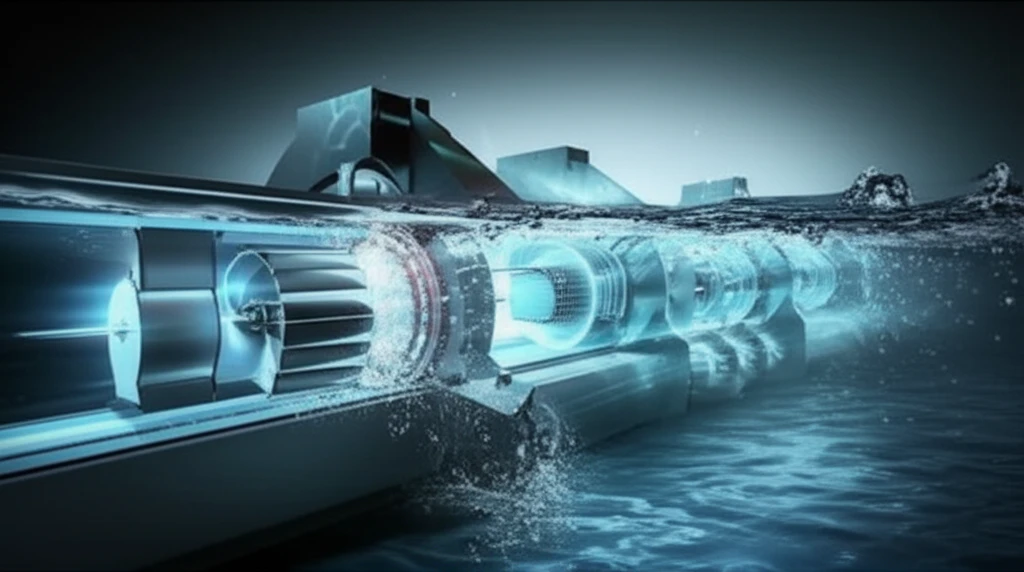
Diverse micro-hydro turbine blades in a flowing stream

Micro-Hydro Power: How Turbine Design Impacts Energy Output

"Explore how different turbine blade designs optimize power generation in micro-hydro plants, enhancing efficiency for sustainable energy solutions."


Micro-hydro power plants are an increasingly vital source of renewable energy, particularly in regions with abundant water resources but limited access to traditional power grids. These plants harness the kinetic energy of flowing water to generate electricity, offering a sustainable and environmentally friendly alternative to fossil fuels. The efficiency of these systems, however, hinges significantly on the design of the turbine, specifically the blades that interact directly with the water flow.

The design of turbine blades is not a one-size-fits-all endeavor. It requires careful consideration of factors such as water flow rate, head (the height from which the water falls), and the desired output. Different blade shapes—such as semi-circular, triangular, and finned—offer varying degrees of efficiency under different conditions. Optimizing these designs can dramatically increase the power output of a micro-hydro plant, making it a more viable and attractive energy solution.

This article delves into the impact of turbine blade design on the performance of micro-hydro power plants. By examining the research findings on various blade models, we aim to provide insights into how different designs affect turbine rotation, torque, and overall energy production. Whether you're an engineer, a renewable energy enthusiast, or simply curious about sustainable technology, understanding these principles can help unlock the full potential of micro-hydro power.

How Does Blade Shape Affect Turbine Performance?

Diverse micro-hydro turbine blades in a flowing stream

The primary goal in micro-hydro turbine design is to maximize the conversion of water's kinetic energy into rotational energy, which then drives a generator to produce electricity. The shape of the turbine blades plays a crucial role in this energy conversion process. Different blade designs interact with the water flow in unique ways, influencing both the speed and torque of the turbine.

Researchers have explored several blade designs, each with its own set of advantages and disadvantages. Here's a look at some common designs and their performance characteristics:

  • Semi-Circular Blades: These blades are designed to capture water flow in a curved pocket, directing the force towards rotation. They are particularly effective at accommodating varying water flow rates.
  • Triangular Blades: Triangular blades offer a more direct impact surface, which can be advantageous in high-flow conditions. Their sharp angles help to efficiently convert linear water motion into rotational force.
  • Finned Blades: Finned blades increase the surface area that interacts with the water, potentially boosting torque. However, they may also introduce more drag, reducing overall speed if not optimally designed.
Optimizing blade design involves finding the right balance between water capture, efficient energy conversion, and minimal energy loss. Factors such as the angle of the nozzle directing water onto the blades also play a significant role, as does the overall size and number of blades.

Maximizing Micro-Hydro Potential

Optimizing micro-hydro power involves carefully selecting the right turbine blade design to match the specific water flow conditions of the site. The optimal choice can significantly enhance energy output, making micro-hydro a more compelling solution for sustainable energy generation. As research and technology advance, the potential for micro-hydro to contribute to global renewable energy targets continues to grow.

About this Article -

This article was crafted using a human-AI hybrid and collaborative approach. AI assisted our team with initial drafting, research insights, identifying key questions, and image generation. Our human editors guided topic selection, defined the angle, structured the content, ensured factual accuracy and relevance, refined the tone, and conducted thorough editing to deliver helpful, high-quality information.See our About page for more information.

Everything You Need To Know

1

What is the primary function of turbine blades in micro-hydro power plants?

The primary function of turbine blades in micro-hydro power plants is to convert the kinetic energy of flowing water into rotational energy. This rotational energy then drives a generator, which produces electricity. The efficiency of this conversion process is heavily influenced by the design of the turbine blades.

2

How do different turbine blade designs, such as semi-circular, triangular, and finned, impact energy output?

Different blade designs, like semi-circular, triangular, and finned, interact uniquely with water flow, thereby influencing turbine speed and torque. Semi-circular blades are effective across varying flow rates, triangular blades excel in high-flow conditions, and finned blades can boost torque through increased surface area, though they can also introduce drag. The optimal choice depends on site-specific water flow conditions and the desired energy output.

3

What factors should be considered when designing turbine blades for micro-hydro plants?

When designing turbine blades, several factors must be carefully considered. These include the water flow rate, the head (the height from which the water falls), and the desired power output. Designers must balance water capture efficiency, energy conversion, and energy loss minimization. Additionally, the angle of the nozzle directing water onto the blades and the overall size and number of blades play significant roles in optimizing the design.

4

Why is optimizing turbine blade design crucial for maximizing the potential of micro-hydro power?

Optimizing turbine blade design is crucial because it directly impacts the efficiency and energy output of the micro-hydro power plant. Selecting the right blade design for specific water flow conditions can significantly enhance energy generation, making micro-hydro a more viable and attractive sustainable energy solution. Effective blade design ensures that the plant can efficiently convert water's kinetic energy into electricity, thereby maximizing its potential contribution to renewable energy targets.

5

What are the advantages and disadvantages of semi-circular, triangular, and finned blades in micro-hydro applications?

Semi-circular blades are advantageous because they can accommodate varying water flow rates effectively. Triangular blades excel in high-flow conditions due to their direct impact surface, efficiently converting water motion to rotational force. Finned blades can increase torque by increasing the surface area that interacts with the water, but may also introduce more drag, which can reduce the overall speed if the design is not optimal. The best choice depends on the specific conditions of the site's water flow.

Newsletter Subscribe

Subscribe to get the latest articles and insights directly in your inbox.