
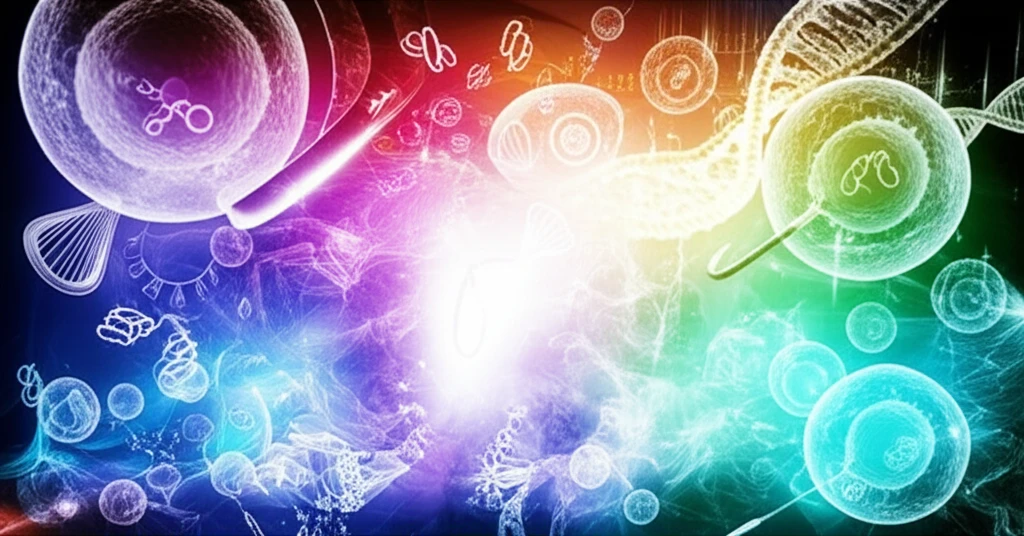
A futuristic medical scene illustrating advancements in cancer treatment, autoimmune disease therapies, and Lyme disease solutions.

Medical Marvels: Cutting-Edge Treatments Revolutionizing Health

"From Cancer Breakthroughs to Tackling Autoimmune Diseases, Discover the Latest in Medical Innovation"


The landscape of medicine is constantly evolving, with new discoveries and innovative treatments emerging at an unprecedented rate. From cancer research to the development of therapies for autoimmune diseases, the medical field is witnessing remarkable advancements. These breakthroughs offer new hope and improved outcomes for patients worldwide. This article dives into some of the most significant recent innovations, providing a glimpse into the future of healthcare.

The driving forces behind these advancements are a combination of cutting-edge research, technological innovation, and a deeper understanding of the human body. Scientists and medical professionals are working tirelessly to develop more effective and less invasive treatments, with a focus on personalized medicine and targeted therapies. These efforts are not only extending lifespans but also enhancing the quality of life for individuals facing serious health challenges.

This exploration covers several key areas of medical progress, including new approaches to cancer treatment, innovative strategies for managing autoimmune diseases, and advancements in combating infectious diseases like Lyme disease. The goal is to provide a comprehensive overview of the latest breakthroughs, highlighting the potential impact of these innovations on patients and the healthcare industry as a whole.

Cancer Therapy: New Hope on the Horizon

A futuristic medical scene illustrating advancements in cancer treatment, autoimmune disease therapies, and Lyme disease solutions.

Cancer treatment has seen remarkable progress in recent years, with a shift towards more targeted and effective therapies. One of the most promising areas of research is the development of immunotherapies, which harness the body's own immune system to fight cancer. These treatments have shown impressive results in certain types of cancer, offering new hope for patients who have not responded to traditional therapies.

One notable advancement is the use of PD-1 inhibitors, a type of immunotherapy. These drugs block a protein that prevents the immune system from attacking cancer cells, allowing the body to recognize and destroy tumors. In clinical trials, PD-1 inhibitors like cemiplimab have shown promising results in treating advanced cutaneous squamous cell carcinoma (SCC). Studies have demonstrated that cemiplimab can elicit a durable response in patients with advanced disease, offering a significant improvement over existing treatment options.

  • Targeted Therapies: Focus on specific cancer cell characteristics, reducing harm to healthy cells.
  • Immunotherapy: Utilizes the body's immune system to fight cancer.
  • PD-1 Inhibitors: Block proteins that prevent the immune system from attacking cancer cells.
  • Improved Outcomes: Offer new hope for patients who have not responded to traditional therapies.
Beyond immunotherapies, research into small molecules that can inhibit cancer growth is also gaining momentum. These molecules interfere with the signaling pathways that promote cancer cell proliferation, offering another avenue for treatment. As research continues, the combination of these innovative approaches promises to further improve cancer treatment outcomes, providing new hope for patients and their families.

The Future of Health: A Promising Outlook

The advancements highlighted in this article represent just a fraction of the ongoing progress in medical research. As scientists continue to unravel the complexities of diseases and develop new technologies, the future of healthcare looks increasingly promising. From cancer treatment to autoimmune disease management and beyond, the innovations described here offer hope for a healthier and longer life for people around the world. Continued support for research and development is crucial to ensuring that these advancements continue to benefit patients and improve the overall well-being of society.

About this Article -

This article was crafted using a human-AI hybrid and collaborative approach. AI assisted our team with initial drafting, research insights, identifying key questions, and image generation. Our human editors guided topic selection, defined the angle, structured the content, ensured factual accuracy and relevance, refined the tone, and conducted thorough editing to deliver helpful, high-quality information.See our About page for more information.

Everything You Need To Know

1

What is immunotherapy and how is it being used in cancer treatment?

Immunotherapy is a cutting-edge approach to cancer treatment that leverages the body's own immune system to fight cancer cells. One notable example is the use of PD-1 inhibitors, which block proteins that prevent the immune system from attacking cancer cells, allowing the body to recognize and destroy tumors. This form of treatment has shown considerable promise in specific cancer types, providing a potential alternative for patients who have not responded well to conventional therapies. Further research into small molecules, which interfere with cancer cell proliferation, complements these efforts to enhance cancer treatment outcomes.

2

Can you elaborate on PD-1 inhibitors and their significance in treating cancer?

PD-1 inhibitors represent a significant advancement in cancer immunotherapy. These drugs work by blocking the PD-1 protein, which normally prevents the immune system from attacking cancer cells. By blocking this protein, PD-1 inhibitors allow the immune system to recognize and destroy tumor cells more effectively. Cemiplimab, for instance, is a specific PD-1 inhibitor that has demonstrated durable responses in patients with advanced cutaneous squamous cell carcinoma (SCC). The success of PD-1 inhibitors signifies a shift towards more targeted and personalized cancer treatments, enhancing patient outcomes.

3

What are the key areas of progress currently revolutionizing medical treatments?

Several areas are experiencing significant breakthroughs. Cancer treatment is advancing through immunotherapies like PD-1 inhibitors and targeted therapies that focus on specific cancer cell characteristics. Management of autoimmune diseases and advancements in combating infectious diseases such as Lyme disease are also crucial areas of focus. These innovations collectively aim to enhance treatment effectiveness, minimize invasiveness, and improve patients' quality of life through personalized medicine.

4

How do targeted therapies differ from traditional cancer treatments, and what advantages do they offer?

Targeted therapies differ significantly from traditional cancer treatments like chemotherapy and radiation. Traditional treatments often affect both cancerous and healthy cells, leading to significant side effects. In contrast, targeted therapies focus on specific characteristics of cancer cells, such as particular proteins or genetic mutations, thereby reducing harm to healthy cells. This approach leads to more effective treatment with fewer side effects, improving the overall quality of life for patients. An example of this is research into small molecules, which can inhibit cancer growth by interfering with the signaling pathways that promote cancer cell proliferation.

5

What role does ongoing research and development play in ensuring continued advancements in healthcare?

Continued support for research and development is crucial for ensuring that medical advancements continue to benefit patients and improve overall well-being. Ongoing research helps in unraveling the complexities of diseases, leading to the development of new technologies and more effective treatments. For instance, continued research into immunotherapies, targeted therapies, and the understanding of the human body's immune response are essential for enhancing cancer treatment and managing autoimmune diseases. Sustained investment in these areas promises a healthier and longer life for people worldwide.

Newsletter Subscribe

Subscribe to get the latest articles and insights directly in your inbox.