
Med School Makeover: How Germany is Easing the Pressure on Future Doctors

"Incoming changes to Germany's medical education system aim to reduce stress and improve practical training for medical students. Is this the cure for burnout?"
For aspiring doctors in Germany, the path to becoming a licensed physician is about to get a little smoother. The German Federal Cabinet has approved a series of reforms designed to alleviate the pressures of medical school and enhance the practical training experience. These changes, championed by the Federal Ministry of Health, signal a significant shift in how medical professionals are educated and prepared for their careers.
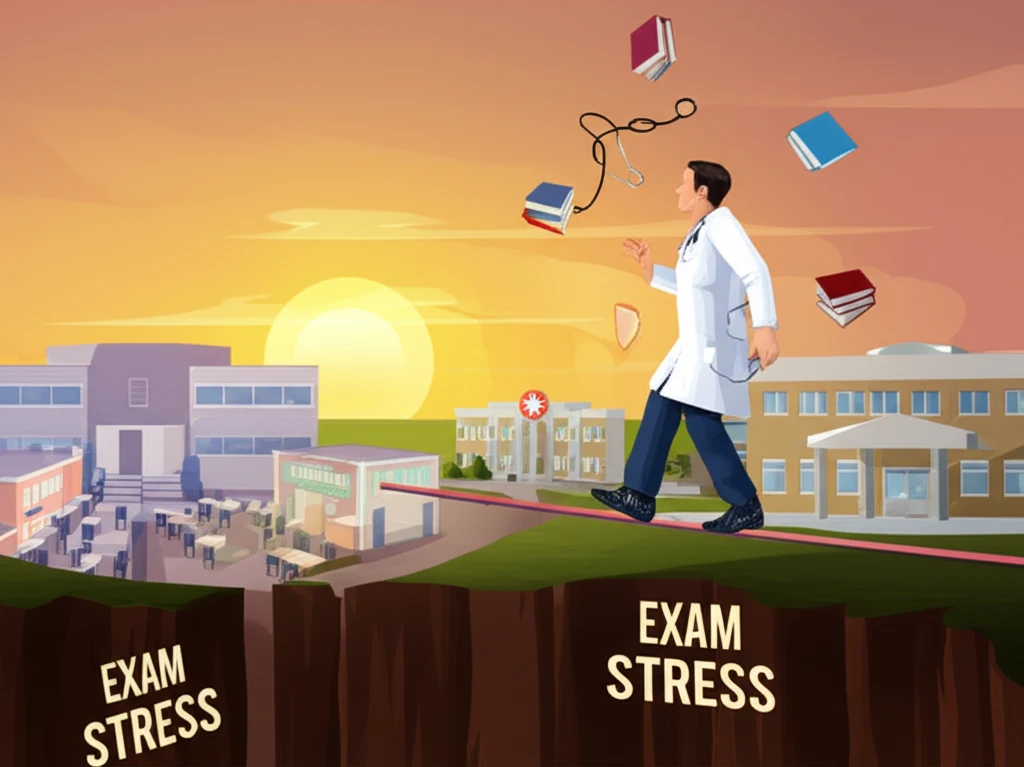
The reforms address a long-standing concern among medical students: the dreaded "Hammer-examen," a notoriously challenging series of exams. The goal is to create a more balanced and supportive learning environment, allowing students to focus on gaining real-world experience and developing essential clinical skills. But these changes need final approval.
These reforms will come into effect early 2013. The main aim of the government is to allow student to put all their effort in the practical year, by moving second part of medical degree before. They will also allow more holidays, increasing them from 20 to 30 days per year.
Bye-Bye, Exam Stress: A Shift Towards Practical Learning
One of the most significant changes involves restructuring the medical licensing examination. The current system requires students to juggle intense exam preparation with their practical year (PJ) – a period of hands-on training in hospitals and clinics. Under the new regulations, the written portion of the second part of the medical examination will be moved before the PJ. This will free up students to fully immerse themselves in their practical training without the added pressure of looming exams.
- More Time Off: To further support students during their PJ, the reforms will increase the number of allowable absence days from 20 to 30. This provides students with greater flexibility to manage personal needs, attend to unexpected events, or simply recharge during the demanding training period.
- Part-Time Options: Recognizing that not all students have the same circumstances, the reforms will also allow the PJ to be completed on a part-time basis beginning in October 2013. This option provides a valuable alternative for students who may need to balance their studies with family responsibilities, financial constraints, or other personal commitments. The training period will be extended accordingly.
- Expanded Training Locations: The reforms will also broaden the range of approved training locations for the PJ. Students will now be able to complete their practical training at teaching hospitals outside of their home university, provided that these hospitals meet the necessary requirements. This change expands opportunities for students to gain diverse clinical experiences and explore different areas of specialization.
- Recognition for Volunteer Work: In a nod to the importance of civic engagement, the reforms will allow students to receive credit for volunteer work in nursing care performed as part of the Federal Volunteer Service. This recognizes the value of these experiences in developing empathy, communication skills, and a broader understanding of the healthcare system.
A Healthier Future for Medicine?
The reforms to Germany's medical education system represent a significant investment in the future of healthcare. By reducing stress, increasing flexibility, and promoting practical learning, these changes aim to create a more supportive and effective training environment for future doctors. Whether these reforms will fully address the challenges facing medical students and the healthcare system remains to be seen, but they undoubtedly represent a step in the right direction.