
Lung Cancer Breakthrough: Can Cold Plasma and Nanoparticles Be the Future of Treatment?

"Innovative research explores a synergistic approach to lung cancer therapy, combining cold atmospheric plasma and iron oxide nanoparticles for enhanced effectiveness."
Lung cancer remains a leading cause of cancer-related deaths globally, affecting both men and women. Despite advances in surgical techniques, medication, and radiation therapies, the need for innovative treatment approaches is critical. Current treatments often face challenges in selectively targeting cancer cells while minimizing harm to healthy tissue.
A promising new avenue in cancer therapy involves the use of cold atmospheric plasma (CAP), an emerging biomedical technique that has shown potential in various applications, including cancer treatment. Complementing this, magnetic nanoparticles offer unique possibilities in medicine due to their ability to target specific areas within the body.
Recent research explores the synergistic effects of combining CAP with iron oxide nanoparticles to combat lung cancer. This innovative approach aims to develop a dual therapeutic method that not only targets cancer cells more effectively but also reduces the adverse effects associated with traditional treatments. This article delves into the specifics of this research, examining how this combination could revolutionize lung cancer therapy.
The Burden of Lung Cancer
Lung cancer remains one of the most costly and complex cancers to treat, with immunotherapy drugs such as pembrolizumab costing patients approximately $15,000 to $17,000 per treatment cycle. Treatment options span surgery, radiation, chemotherapy, immunotherapy, percutaneous ablation, and palliative care, used alone or in combination. Concerns about treatment tolerability, toxicity, and limited clinical trial data in elderly patients continue to impede optimal care for older populations, sometimes leading to treatment nihilism among clinicians.
Standard Treatments and Their Limits
Tumor genomic testing is now standard of care for many lung tumors, helping doctors select the most appropriate treatment. Common approaches include surgery, radiation therapy, chemotherapy, immunotherapy, and targeted therapy, with the treatment plan tailored to cancer type, stage, and patient health. Without treatment, lung cancer survival rates drop sharply, underscoring the urgency of intervention even as rapid tumor spread can complicate outcomes.
How Far Lung Cancer Treatment Has Come
While lung cancer is not always curable, it is increasingly treatable, and newer therapies carry fewer side effects than older regimens. Cancers are far easier to treat when localized, before spreading to lymph nodes or other organs, making early detection a key historical milestone in improving survival rates. The two main forms — small cell and non-small cell lung cancer — are now treated with distinct chemotherapy and radiation strategies.
Synergistic Effect of Cold Atmospheric Plasma and Iron Oxide Nanoparticles
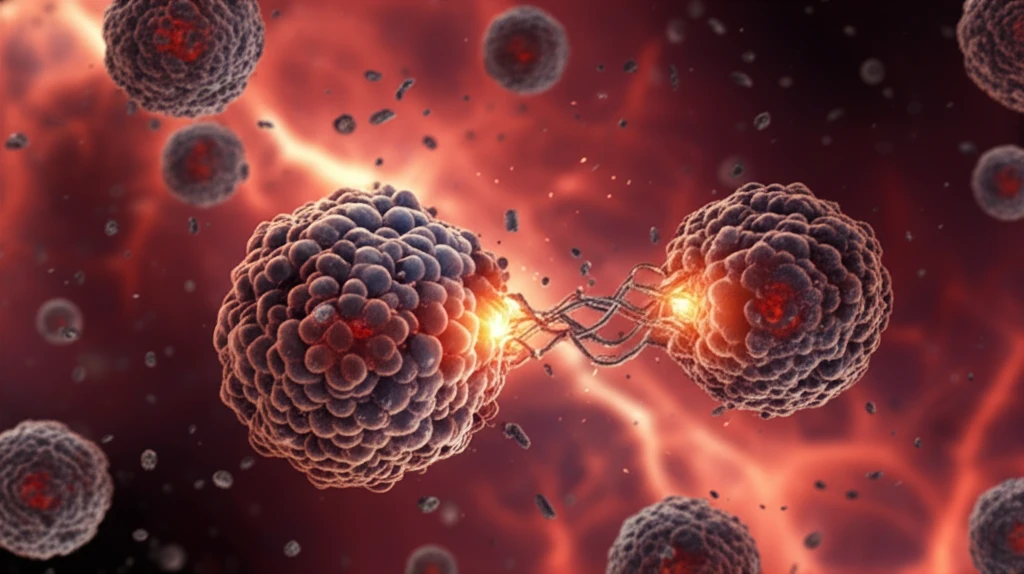
The study focuses on the combined use of cold atmospheric plasma (CAP) and iron oxide nanoparticles to treat lung cancer. CAP is known for its ability to generate charged particles and reactive species that can selectively kill cancer cells. Iron oxide nanoparticles, on the other hand, can be directed to specific locations within the body, enhancing the precision of the treatment.
- Enhanced Cancer Cell Death: The combination of CAP and iron oxide nanoparticles significantly increased the death of lung cancer cells compared to either treatment alone.
- Reduced Cell Proliferation: The treatment effectively reduced the proliferation of cancer cells, inhibiting their ability to multiply and spread.
- EGFR Downregulation: CAP, when combined with iron oxide nanoparticles, led to a reduction in EGFR expression, further hindering cancer cell growth.
- Inhibition of Key Pathways: CAP inhibited lung cancer cells by suppressing the pERK and pAKT pathways, which are crucial for cancer cell survival and growth.
Supercharging Immune Cells Against Lung Cancer
A breakthrough reported in August 2025 demonstrated that lung cancer treatment can be enhanced by supercharging immune cells with mitochondria, potentially boosting the body's own defenses against the disease. This approach represents a novel angle beyond conventional chemotherapy or checkpoint inhibitors. The National Cancer Institute continues to support and publish a broad portfolio of lung cancer research articles tracking such advances.
Screening Challenges and Overdiagnosis Risks
The U.S. Preventive Services Task Force recommends annual low-dose CT screening for lung cancer in eligible individuals, but screening should stop once a person has not smoked for 15 years or has health limitations. Lung nodules are extremely common and often visible on CT scans, yet most are benign, meaning screening can lead to unnecessary procedures and patient anxiety. These realities highlight the tension between early detection benefits and the risks of overdiagnosis.
Chemotherapy Regimens in Small Cell Lung Cancer
Extensive-stage small cell lung cancer is a rapidly proliferating, biologically aggressive form of the disease with short survival without treatment. Phase III clinical trials have compared different chemotherapy sequencing strategies, such as sequential versus alternating administration of cisplatin/etoposide and topotecan, to determine optimal first-line regimens. Early results from such trials help clinicians refine treatment protocols for this particularly aggressive cancer subtype.
The Future of Lung Cancer Therapy
The research indicates a promising future for lung cancer treatment by leveraging the synergistic effects of cold atmospheric plasma and iron oxide nanoparticles. This targeted approach enhances cancer cell death, reduces cell proliferation, and inhibits key signaling pathways, while minimizing harm to healthy tissue. As research progresses, this innovative method may lead to more effective and less invasive treatments for lung cancer patients, offering new hope and improved outcomes.
Where the Field Stands Today
Lung cancer treatment has evolved from a narrow set of harsh chemotherapy options to a diversified toolkit that includes surgery, radiation, immunotherapy, targeted therapy, and emerging mitochondrial-based immune approaches. The field continues to grapple with balancing early detection against overdiagnosis, and with optimizing treatment sequences for aggressive subtypes like extensive-stage small cell lung cancer. Progress is real but uneven, with cost barriers, limited trial access for elderly patients, and external disruptions such as natural disasters posing ongoing challenges to equitable care delivery.
Immunotherapy's Expanding Role
Immunotherapy for lung cancer continues to evolve with new and upcoming drugs that harness the immune system to target cancer cells directly. These therapies have shown great promise in clinical settings, offering alternatives for patients who may not respond well to traditional chemotherapy. As research progresses, immunotherapy is increasingly positioned as a central pillar of future lung cancer treatment strategies.
Access, Prevention, and Systemic Barriers
The best chance for a lung cancer cure remains surgical removal when possible, alongside radiation and systemic therapies, though access to these options varies widely. Researchers at MIT have identified caspase-1, an enzyme involved in lung inflammation, as a potential prevention target — blocking it appears to reduce tumor development risk. These findings suggest that future systemic challenges may shift from solely treatment access to also encompassing preventive strategies for high-risk populations.
Living Through Diagnosis and Disruption
Real-world events such as wildfires can severely disrupt cancer care, with clinical and social work teams mobilizing to maintain treatment continuity for affected patients. Early-stage non-small cell lung cancer diagnosis can be complicated by ambiguous biomarkers and atypical profiles, as illustrated by cases of never-smokers with unusual neuroendocrine markers and negative genomic panels. These human complexities underscore that lung cancer is not a one-size-fits-all disease and that personalized, compassionate care remains essential.