
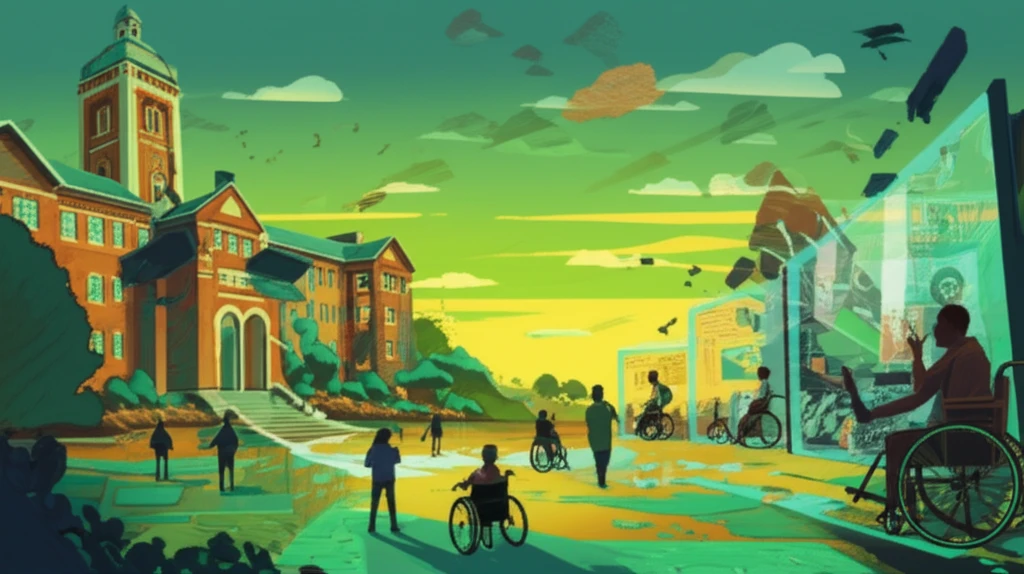
Leveling the Playing Field: How Uganda is Tackling Disability Inclusion in Higher Education

"Exploring strategies and current progress towards equal access and support for students with disabilities in Ugandan universities."
Uganda has made significant strides in embracing inclusive education, particularly at the primary and secondary levels. This commitment is reflected in legal frameworks, educational infrastructure, and teacher training programs. However, the landscape of higher education presents a different picture, with evidence suggesting ongoing exclusion and discrimination against students with disabilities despite national policies.
While affirmative action policies exist to encourage the admission of students with disabilities into public universities, the extent to which private institutions are compelled to comply remains unclear. This gap, combined with broader systemic issues, contributes to a disparity in opportunities and support available to students with disabilities in higher education.
This article delves into the status of disability inclusion in Ugandan higher education, exploring strategies for its realization and uncovering the everyday experiences of students. By examining areas such as admissions, support services, accessibility, and assessment, this exploration reveals the challenges and opportunities that lie ahead in creating a truly equitable educational environment.
The Persistent Gaps: Where Inclusion Efforts Fall Short
Despite Uganda's legal and policy framework, students with disabilities continue to face significant hurdles in higher education. These challenges manifest in several key areas:
- Admissions: Limited access to academic programs, particularly in science and medicine.
- Accessibility: Physical barriers to lecture halls, libraries, and residences.
- Support Services: Inadequate resources for assistive technology, interpreters, and learning materials.
- Assessment: Lack of accommodations during examinations and assessments.
Towards a More Inclusive Future: Recommendations for Change
To address the identified challenges and foster a more inclusive higher education system, several key recommendations emerge:
To ensure equal opportunity, policymakers and institutions should focus on following:
To promote real change, the creation of these standards should be collaborative, including DPOs, students, and educators.