
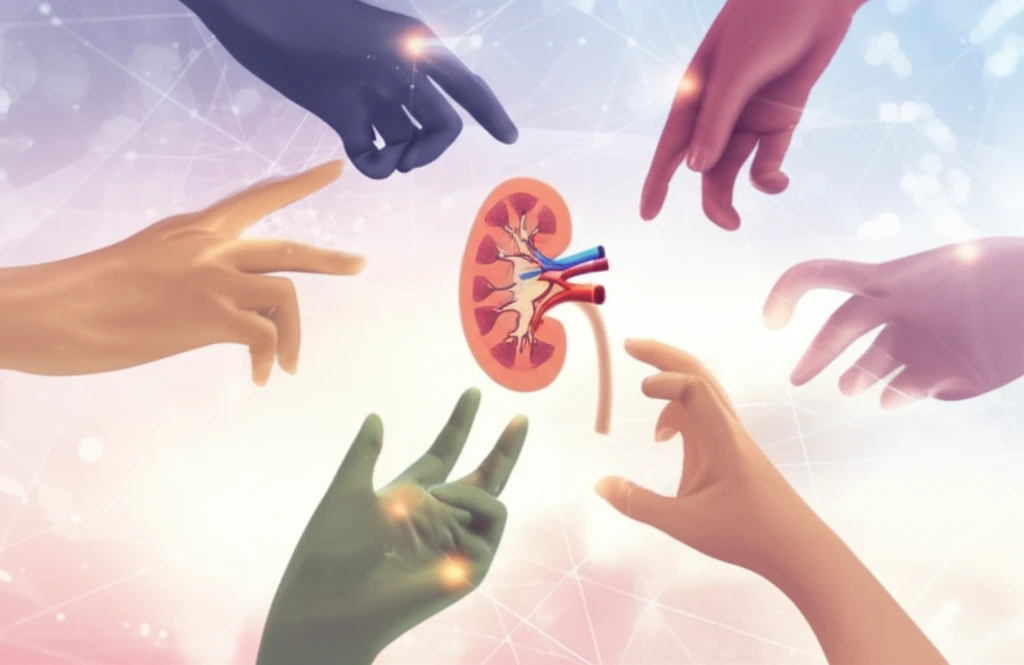
Kidney Care Crisis: Unveiling Global Disparities in Renal Replacement Therapy

"A deep dive into the inequalities of access to dialysis and transplantation in BRICS nations and what it means for global healthcare."
End-stage renal disease (ESRD) poses a significant global public health challenge, particularly in developing nations. The high costs associated with renal replacement therapy (RRT)—including hemodialysis, peritoneal dialysis, and kidney transplantation—create substantial barriers to access. This is compounded by the scarcity of resources, inadequate healthcare infrastructure, and a rising prevalence of chronic diseases.
The BRICS countries—Brazil, Russia, India, China, and South Africa—represent a unique case study. Despite their growing economic influence, these nations grapple with significant healthcare disparities. While reforms have aimed to improve equity and access, persistent inequalities remain, particularly in the availability and accessibility of RRT.
This article analyzes the multifaceted bioethical dilemmas surrounding access to RRT within the BRICS nations. By examining the disparities in treatment availability, the influence of socioeconomic factors, and the ethical considerations surrounding organ transplantation, we aim to shed light on the urgent need for equitable and sustainable solutions.
Why is Access to Kidney Treatment Unequal in BRICS Nations?
A study of the inequalities in access to RRT in the BRICS countries reveals significant disparities in treatment availability. These variations stem from several factors, including economic constraints, inadequate healthcare infrastructure, and a complex interplay of bioethical considerations.
- Limited Resources: Developing countries often face a scarcity of resources for healthcare investment, hindering the widespread availability of RRT.
- Infrastructure Gaps: Inadequate healthcare infrastructure, including a shortage of dialysis centers and trained personnel, further restricts access.
- Socioeconomic Factors: Poverty, social determinants, and biological vulnerabilities exacerbate the problem, creating a cycle of disadvantage.
- Lack of Information: A lack of comprehensive data on dialysis and transplantation in some countries, such as India, makes it difficult to assess the true extent of the need and to implement effective interventions.
What Can Be Done to Improve Access to Kidney Care?
Addressing the disparities in access to RRT requires a multifaceted approach. This includes expanding conservative treatment options, promoting local production of essential inputs, exploring non-governmental funding sources, and implementing cost-containment strategies. Furthermore, promoting deceased donor programs and fostering South-South cooperation can play a crucial role in improving access and equity. By embracing a bioethical vision that prioritizes solidarity and international cooperation, BRICS nations can work together to bridge the gap and ensure that all individuals have access to life-saving renal replacement therapy.