
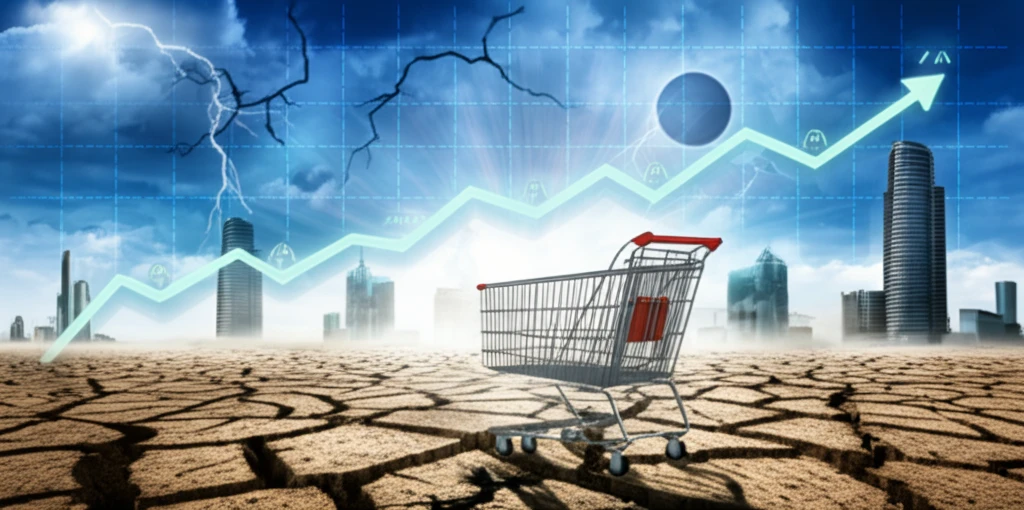
Is Your Wallet Ready for the Weather? How Climate Change Impacts Consumer Prices

"From groceries to energy bills, climate change is quietly but significantly reshaping the cost of everyday life. Discover how these shifts affect your spending and what you can do about it."
Climate change is no longer a distant threat; it's impacting our wallets right now. From the food we buy to the energy we consume, the ripple effects of a changing climate are subtly but steadily altering consumer prices across the globe. Understanding these impacts is crucial for making informed financial decisions and preparing for the economic challenges ahead.
Extreme weather events such as droughts, floods, and heat waves are becoming more frequent and intense, disrupting agricultural production and driving up food prices. Shifting weather patterns can also affect energy demand, increasing the cost of heating and cooling. These climate-related changes create economic instability and disproportionately affect vulnerable populations.
While discussions about climate change often focus on environmental concerns, the economic implications are equally important. This article explores how climate change is influencing consumer prices in the Euro area, examining the specific ways weather anomalies and long-term climate shifts are impacting various sectors of the economy. By understanding these dynamics, we can better prepare for the economic challenges of a changing climate and take steps to mitigate its impact on our wallets.
How Weather Shocks Impact Your Grocery Bill: Decoding the Climate-Price Connection
Weather anomalies are significant short-term deviations from typical weather patterns, such as a heat wave in spring, cold winters or long dry spells. These events can disrupt supply chains and boost the price of goods. A recent study delves into the impact of such weather shocks on consumer prices in the Euro area, highlighting how different sectors of the economy react to these changes. It's not just about broad averages; the study emphasizes the significant variations in how these shocks affect different regions and industries.
- Temperature Extremes: Hot summers can lead to increased prices in the food sector, while mild autumns or winters might decrease energy prices.
- Precipitation Patterns: Changes in rainfall can affect agricultural output, leading to fluctuations in food costs.
- Non-Linear Effects: The magnitude and sign of weather shocks matter, with extreme events having a disproportionate impact on prices.
- Seasonal Variations: The timing of weather shocks plays a crucial role, with different seasons experiencing varying effects on consumer prices.
Adapting to a Climate-Altered Economy: Preparing for the Future
As climate change continues to reshape our world, understanding its economic implications is essential for making informed decisions and protecting our financial well-being. By staying informed, advocating for sustainable policies, and supporting businesses committed to climate action, we can mitigate the economic risks of a changing climate and build a more resilient future for ourselves and generations to come.