
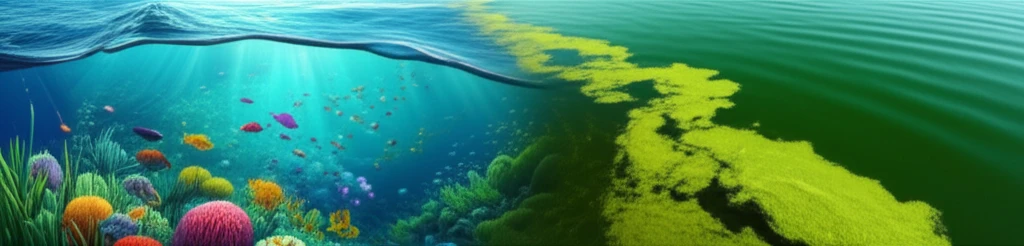
Healthy lake ecosystem versus algae-covered lake, showing the impact of phosphate pollution.

Is Your Lake Turning Green? Uncover the Secrets of Phosphate & Fight Algae Blooms!

"Dive into the science of lake eutrophication and discover how managing phosphate levels can restore balance to our precious aquatic ecosystems."


Picture this: a serene lake, reflecting the sky, teeming with life. Now imagine that same lake, choked with algae, its waters murky and lifeless. This drastic transformation is often driven by an invisible culprit: phosphate. In small amounts, phosphate is a vital nutrient for aquatic plants, but when levels surge, it can trigger a cascade of ecological problems, a process known as eutrophication.

Eutrophication isn't just an aesthetic issue; it's a serious threat to the health of our lakes and the communities that depend on them. Algae blooms, fueled by excess phosphate, can block sunlight, killing off native plants and creating dead zones where fish and other aquatic creatures can't survive. These blooms can also produce toxins harmful to humans and animals, impacting recreational activities and even drinking water supplies.

But what exactly causes these phosphate surges, and what can we do to stop them? Scientists are working to understand the complex dynamics of phosphate enrichment in lakes, using models to predict how different factors impact water quality and to develop strategies for mitigating the effects of pollution. Let's explore how this science is applied to a real-world case, revealing how we can all play a part in protecting these precious resources.

The Phosphate Problem: Understanding Eutrophication

Healthy lake ecosystem versus algae-covered lake, showing the impact of phosphate pollution.

Eutrophication is fundamentally a story of nutrient imbalance. Lakes naturally contain some phosphate, which supports the growth of algae and aquatic plants. However, human activities often introduce excessive amounts of phosphate into these systems, disrupting the delicate equilibrium. Sources of this excess phosphate can include:


  • Agricultural Runoff: Fertilizers used in agriculture are rich in phosphate. When it rains, these fertilizers can wash into nearby lakes and streams.
  • Wastewater Treatment Plants: While treatment plants remove many pollutants, they often struggle to eliminate phosphate completely.
  • Industrial Discharges: Some industrial processes release phosphate-containing wastewater into the environment.
  • Urban Runoff: Stormwater runoff from urban areas can carry phosphate from detergents, pet waste, and other sources.
  • Fish Farming: Intensive aquaculture operations, particularly those using floating net cages, can release significant amounts of phosphate into the water through fish feed and waste.
Once in the lake, this excess phosphate acts like fertilizer for algae, causing them to grow rapidly and form dense blooms. These blooms can have a number of negative consequences:

Restoring Balance: Solutions for Healthier Lakes

The good news is that eutrophication isn't an irreversible process. By understanding the sources of phosphate pollution and implementing effective management strategies, we can restore balance to our lakes and protect these vital ecosystems. Whether it's advocating for responsible agricultural practices, supporting upgrades to wastewater treatment facilities, or making informed choices about the products we use, each of us has a role to play in safeguarding the health of our lakes.

About this Article -

This article was crafted using a human-AI hybrid and collaborative approach. AI assisted our team with initial drafting, research insights, identifying key questions, and image generation. Our human editors guided topic selection, defined the angle, structured the content, ensured factual accuracy and relevance, refined the tone, and conducted thorough editing to deliver helpful, high-quality information.See our About page for more information.

Everything You Need To Know

1

What is eutrophication and why is excess phosphate a problem in lakes?

Eutrophication is the process where lakes become overly enriched with nutrients, particularly phosphate. This leads to an imbalance in the ecosystem. Excess phosphate acts like a fertilizer, fueling rapid algae growth and forming dense blooms. These algae blooms block sunlight, killing native plants, creating dead zones, and sometimes producing toxins harmful to humans and animals. This harms recreational activities and drinking water supplies.

2

What are the main sources of phosphate that contribute to eutrophication in lakes?

Several sources contribute to the excess phosphate that leads to eutrophication. These include agricultural runoff containing fertilizers, wastewater treatment plants that may not completely remove phosphate, industrial discharges from certain processes, urban runoff carrying phosphate from various sources, and fish farming operations that release phosphate through feed and waste. Each source introduces phosphate into the water, contributing to the problem.

3

How do algae blooms impact the overall health of a lake ecosystem?

Algae blooms, caused by excess phosphate, have several detrimental impacts on lake ecosystems. They block sunlight, which is crucial for the survival of native plants. The death of these plants further disrupts the ecosystem. Additionally, algae blooms can create dead zones where oxygen levels are depleted, making it impossible for fish and other aquatic creatures to survive. Some algae blooms also produce toxins that are harmful to both humans and animals, affecting drinking water quality and recreational use.

4

Can the process of eutrophication be reversed, and what are some potential solutions?

Yes, eutrophication is not irreversible. The key to reversing eutrophication lies in understanding and managing the sources of phosphate pollution. Solutions include advocating for responsible agricultural practices to reduce fertilizer runoff, supporting upgrades to wastewater treatment facilities to improve phosphate removal, making informed choices about products that contain phosphate, and reducing urban runoff. By addressing these sources, it's possible to restore balance to lakes and protect these ecosystems.

5

What role can individuals play in preventing eutrophication and protecting lakes from the negative effects of phosphate?

Individuals can play a significant role in preventing eutrophication. Everyone can make informed choices about products they use, such as detergents, to reduce phosphate input into the environment. Supporting responsible agricultural practices can limit fertilizer runoff. It's also crucial to advocate for and support upgrades to wastewater treatment facilities to enhance phosphate removal. Additionally, proper management of pet waste and awareness of urban runoff can collectively make a positive impact on safeguarding the health of lakes, and therefore aquatic life and the ecosystem as a whole.

Newsletter Subscribe

Subscribe to get the latest articles and insights directly in your inbox.