
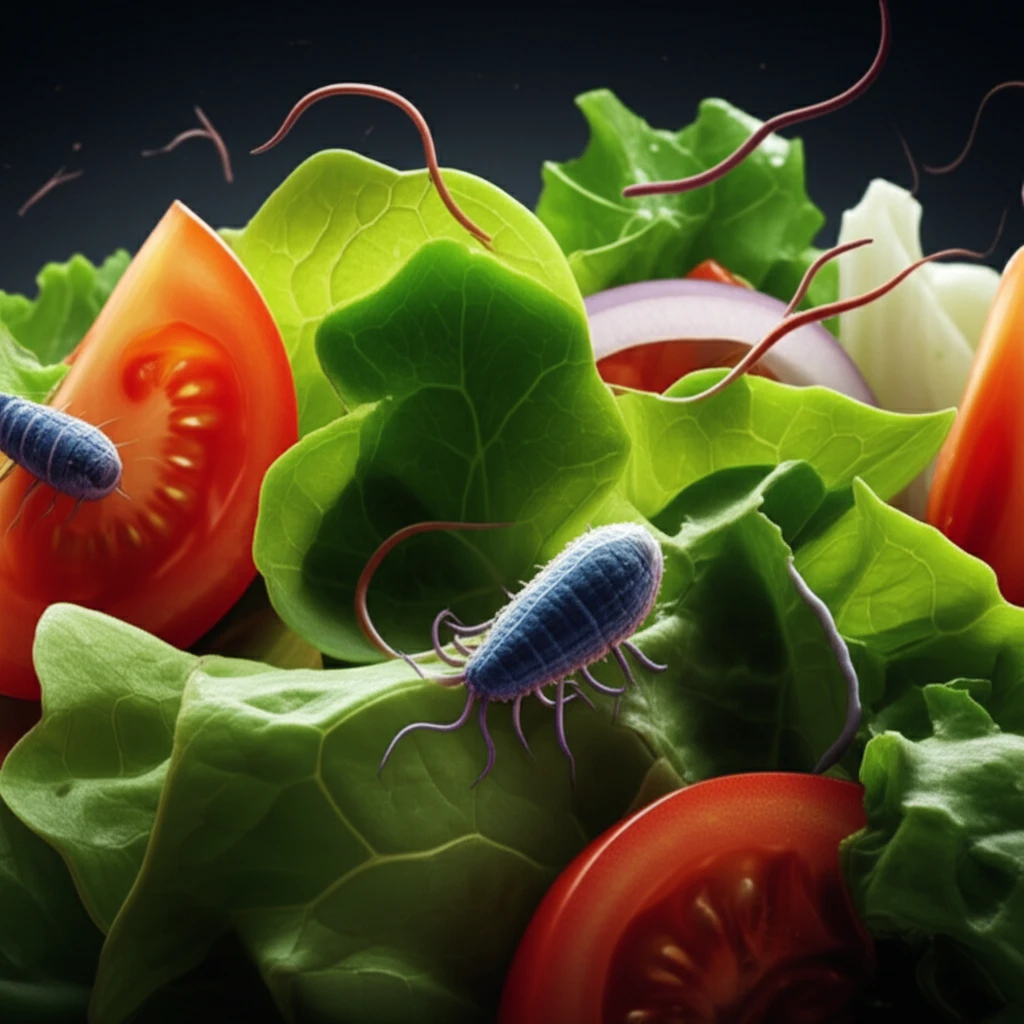
Is Your Food Safe? Uncovering Parasites in Food Handling

"A 2016 study in Saqqez reveals the prevalence of intestinal parasites among food handlers, highlighting the need for better hygiene practices."
In today's world, ensuring the safety of our food is more critical than ever. We often trust that the meals we eat, whether prepared at home or in a restaurant, are free from harmful contaminants. However, a 2016 study conducted in Saqqez, Iran, sheds light on a concerning issue: the prevalence of intestinal parasites among food handlers.
Intestinal parasites are a significant global health challenge, particularly in developing countries. These microscopic organisms can cause a range of health problems, from mild discomfort to severe malnutrition and anemia, especially in vulnerable populations like children and the elderly. The transmission of these parasites often occurs through contaminated food and water, highlighting the importance of strict hygiene practices in food preparation and handling.
This article dives into the findings of the Saqqez study, exploring the types of parasites found, the factors contributing to their spread, and practical steps we can all take to protect ourselves. Understanding these risks is the first step towards ensuring that the food we consume is safe and supports our health, rather than jeopardizing it.
What the Saqqez Study Revealed About Intestinal Parasites
The 2016 study in Saqqez aimed to determine the prevalence of parasitic infections among food handlers in the region. Researchers collected stool samples from 1,530 food handlers and examined them for intestinal parasites using both direct and sedimentation techniques. The results indicated that 6.01% of the participants were infected with at least one type of intestinal parasite.
- Giardia lamblia: The most prevalent parasite found, causing giardiasis, which leads to diarrhea, abdominal cramps, and dehydration.
- Endolimax nana and Iodamoeba butschlii: Less common, but still present, these parasites can contribute to digestive discomfort.
- Hymenolepis nana: The only helminth (worm) found, though rare, it highlights the potential for more complex parasitic infections.
Protecting Yourself: Practical Steps for Food Safety
While the Saqqez study provides valuable insights into the prevalence of intestinal parasites, the good news is that there are many steps you can take to protect yourself and your family. These measures range from practicing proper hygiene to being more mindful of where and how your food is prepared. By taking these precautions, you can significantly reduce your risk of exposure to harmful parasites and ensure that your meals are safe and healthy.