
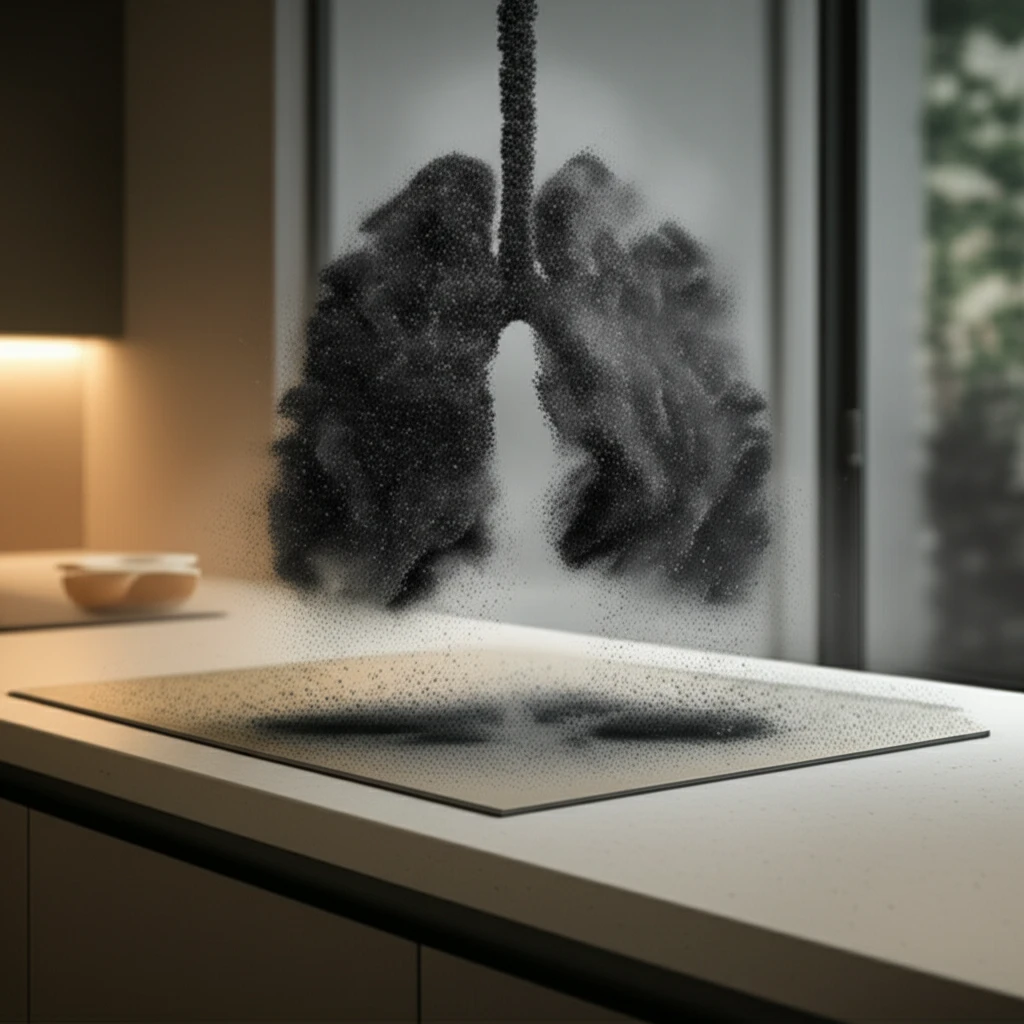
Hidden Dangers in Your Dream Kitchen: The Alarming Rise of Artificial Stone Silicosis

"New research reveals a concerning link between artificial stone countertops and a debilitating lung disease, urging for increased awareness and preventative measures."
Artificial stone countertops are increasingly popular for their durability, aesthetic appeal, and affordability. However, recent studies are highlighting a significant health risk associated with their fabrication and installation: silicosis.
Silicosis is a debilitating and irreversible lung disease caused by inhaling crystalline silica dust, a common component of artificial stone. While the dangers of silica exposure have been known for decades, a resurgence of silicosis cases is emerging among workers who cut, grind, and polish these countertops. These workers are frequently exposed to dangerous levels of silica dust, which can lead to severe respiratory problems.
This article delves into the growing concern of artificial stone-associated silicosis, drawing on recent research and case studies to shed light on the risks, symptoms, and preventative measures. We'll explore the experiences of workers affected by this disease and what steps can be taken to protect both professionals and homeowners from the hidden dangers in their dream kitchens.
What is Artificial Stone Silicosis and Why Is It on the Rise?
Artificial stone, also known as engineered stone, is a composite material made from crushed stone, such as quartz, granite, or marble, bound together by a resin or polymer. Its durability, design flexibility, and lower cost compared to natural stone have made it a favorite for kitchen countertops, bathroom vanities, and other surfaces.
- The rise in artificial stone silicosis cases can be attributed to:
- Increased popularity of artificial stone, leading to greater worker exposure.
- Lack of awareness and inadequate safety measures in smaller fabrication shops.
- Dry cutting and grinding methods that generate high levels of silica dust.
- Limited enforcement of occupational health and safety regulations.
Protecting Yourself and Others from Artificial Stone Silicosis
The growing concern of artificial stone-associated silicosis demands immediate action to protect workers and raise awareness among consumers. By implementing strict safety measures, providing adequate training, and promoting safer alternative materials, we can minimize the risk of this debilitating disease and create healthier, safer workplaces.