
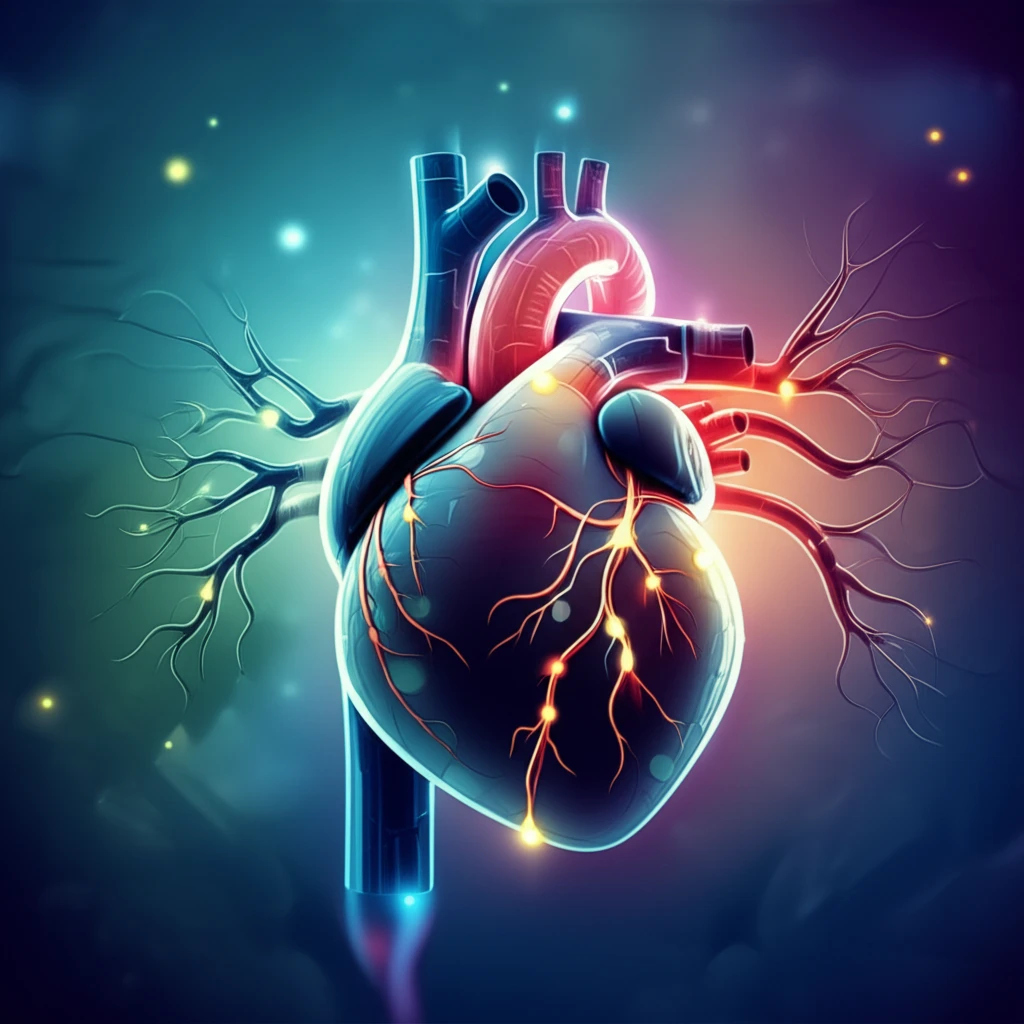
Surreal illustration of a healthy heart with electrical pathways, representing cardiac health.

Heart Health Unlocked: Decoding the Science Behind Arrhythmias and How to Protect Your Heart

"From Cellular Secrets to Lifestyle Strategies: A Comprehensive Guide to Understanding and Managing Irregular Heartbeats"


Our hearts are the engines of our lives, tirelessly pumping blood to every corner of our bodies. But what happens when this vital organ stumbles, when the rhythm of life becomes erratic? Arrhythmias, or irregular heartbeats, are more common than you might think, and understanding them is crucial for maintaining good heart health. This article delves into the science behind arrhythmias, exploring their causes, risks, and the steps you can take to protect your heart.

Arrhythmias can range from harmless palpitations to life-threatening conditions. They can manifest as a racing heart, a fluttering sensation, or even a feeling of skipped beats. While some arrhythmias are benign, others can lead to serious complications such as stroke, heart failure, and sudden cardiac arrest. This is why recognizing the signs and understanding the underlying mechanisms is so important.

This guide will take you on a journey through the complexities of arrhythmias, from the cellular level to the broader impact on your health. We'll unravel the mysteries of how the heart's electrical system works, explore the various factors that can disrupt its rhythm, and provide you with practical advice on how to manage your risk and live a heart-healthy life.

Unmasking Arrhythmias: What Causes an Irregular Heartbeat?

Surreal illustration of a healthy heart with electrical pathways, representing cardiac health.

The heart's electrical system is a marvel of nature, a precisely coordinated network that ensures the heart beats in a regular, efficient manner. This system relies on a complex interplay of electrical signals, channels, and pathways. When these signals become disrupted, arrhythmias can occur. Several factors can contribute to these disruptions, including genetics, lifestyle choices, and underlying medical conditions.

At the cellular level, arrhythmias often stem from problems with the heart's ion channels – tiny gateways that control the flow of charged particles like sodium, potassium, and calcium. These channels are responsible for generating and transmitting the electrical impulses that trigger heart muscle contractions. Genetic mutations or damage to these channels can disrupt the electrical signals, leading to an irregular heartbeat. Beyond the heart, other health conditions can also trigger arrhythmias.

  • Coronary artery disease: Blocked arteries can starve the heart of oxygen, leading to electrical instability.
  • High blood pressure: Over time, high blood pressure can damage the heart and increase the risk of arrhythmias.
  • Heart valve disease: Faulty valves can strain the heart, making it more susceptible to rhythm problems.
  • Heart failure: Weakened heart muscle can disrupt the heart's electrical activity.
  • Thyroid disorders: Both an overactive and an underactive thyroid can affect the heart's rhythm.
  • Electrolyte imbalances: Low or high levels of electrolytes like potassium and magnesium can trigger arrhythmias.
  • Medications: Some medications, including certain cold and allergy remedies, can have side effects that affect the heart's rhythm.
  • Lifestyle factors: Excessive alcohol or caffeine consumption, smoking, and stress can all increase the risk of arrhythmias.
In addition to the above, certain lifestyle choices can significantly impact the risk of developing an arrhythmia. Understanding these factors and making informed choices can be crucial in preventing heart rhythm problems.

Empowering Your Heart Health: A Proactive Approach to Arrhythmia Management

Understanding arrhythmias is the first step toward taking control of your heart health. By staying informed, making healthy lifestyle choices, and working closely with your healthcare provider, you can significantly reduce your risk and improve your quality of life. Remember, your heart is a resilient organ, and with the right care and attention, it can continue to beat strong for many years to come.

About this Article -

This article was crafted using a human-AI hybrid and collaborative approach. AI assisted our team with initial drafting, research insights, identifying key questions, and image generation. Our human editors guided topic selection, defined the angle, structured the content, ensured factual accuracy and relevance, refined the tone, and conducted thorough editing to deliver helpful, high-quality information.See our About page for more information.

Everything You Need To Know

1

What are arrhythmias and why is it important to understand them for heart health?

Arrhythmias are irregular heartbeats, where the heart's rhythm becomes erratic. Understanding them is crucial because while some are harmless, others can lead to serious complications like stroke, heart failure, and sudden cardiac arrest. Recognizing the signs and understanding the mechanisms of arrhythmias is essential for maintaining good heart health.

2

How does the heart's electrical system work, and what role do ion channels play in maintaining a regular heartbeat?

The heart's electrical system is a coordinated network that ensures the heart beats regularly. It relies on electrical signals, channels, and pathways. Ion channels, specifically, are tiny gateways that control the flow of charged particles like sodium, potassium, and calcium. These channels generate and transmit the electrical impulses that trigger heart muscle contractions. Problems with these ion channels, such as genetic mutations or damage, can disrupt the electrical signals and lead to an irregular heartbeat.

3

Can specific health conditions contribute to the development of arrhythmias?

Yes, several health conditions can contribute to the development of arrhythmias. These include coronary artery disease (blocked arteries depriving the heart of oxygen), high blood pressure (damaging the heart over time), heart valve disease (straining the heart), heart failure (weakening the heart muscle), thyroid disorders (both overactive and underactive thyroid), and electrolyte imbalances (low or high levels of electrolytes like potassium and magnesium).

4

Besides genetics and underlying conditions, what lifestyle factors increase the risk of arrhythmias, and what changes can be made?

Lifestyle factors that increase the risk of arrhythmias include excessive alcohol or caffeine consumption, smoking, and stress. Reducing or eliminating these factors can help lower the risk. Making informed choices, such as limiting alcohol and caffeine intake, quitting smoking, and managing stress, is crucial in preventing heart rhythm problems.

5

What proactive steps can be taken to manage arrhythmia risk and promote heart health, and why is working with a healthcare provider important?

Proactive steps to manage arrhythmia risk include staying informed about heart health, making healthy lifestyle choices, and working closely with a healthcare provider. Understanding arrhythmias and their potential triggers is the first step. Healthy lifestyle choices can mitigate the risk. Regular consultation with a healthcare provider is essential for personalized advice, monitoring, and timely intervention, leading to improved quality of life and a stronger heart.

Newsletter Subscribe

Subscribe to get the latest articles and insights directly in your inbox.