
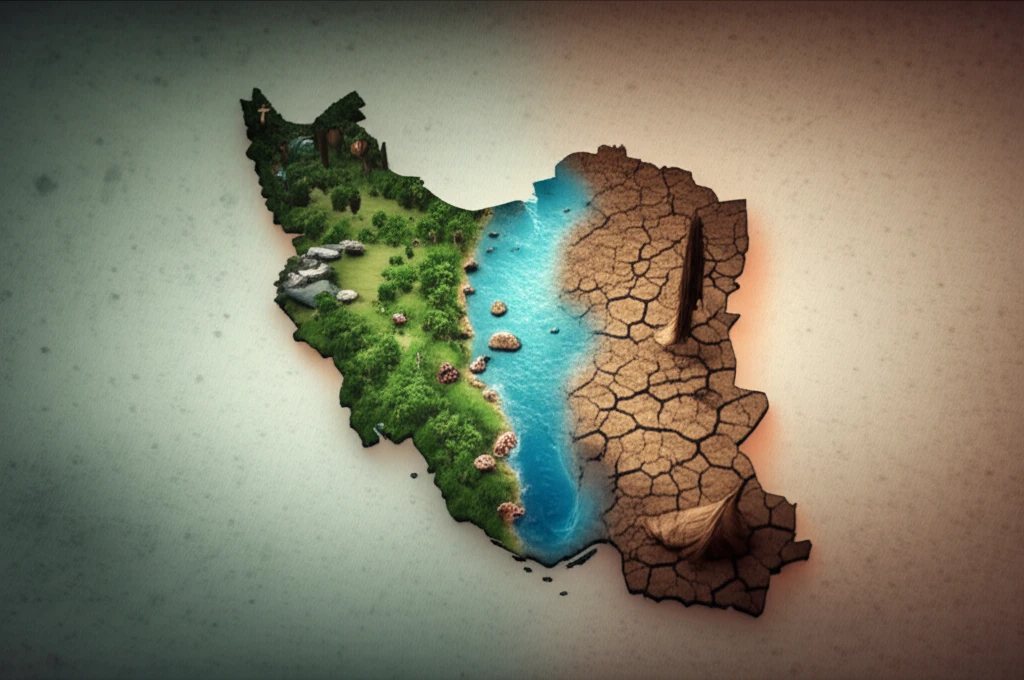
Healthcare Disparities in Iran: Understanding Unequal Access and What Can Be Done

"A deep dive into the geographical inequalities in healthcare access in Iran's Lorestan Province and the broader implications for public health policy."
Access to healthcare is a fundamental human right, yet its distribution is rarely uniform. Unequal access to healthcare services remains a persistent challenge globally, and Iran is no exception. Disparities can arise from a complex interplay of factors, including geographical location, socioeconomic status, and the availability of resources.
In Iran, these disparities are particularly evident when examining healthcare access across different provinces and cities. Factors such as the uneven distribution of healthcare facilities, workforce shortages, and infrastructure limitations contribute to these inequalities.
This article delves into the issue of healthcare disparities in Iran, with a specific focus on Lorestan Province. By analyzing the geographical distribution of healthcare resources and exploring the underlying causes of these disparities, we can gain insights into the challenges and potential solutions for creating a more equitable healthcare system for all Iranians.
Why Does Location Matter? Unpacking Geographical Disparities in Lorestan
Lorestan Province, located in western Iran, provides a compelling case study for understanding healthcare disparities. A study analyzing healthcare access across the province's cities revealed significant regional inequalities. Using the Scalogram analysis model, researchers assessed the availability of healthcare resources, including infrastructure and manpower, to determine the level of development in each city.
- Uneven Distribution of Resources: Healthcare facilities and personnel are often concentrated in urban centers, leaving rural areas underserved.
- Infrastructure Limitations: Rural areas may lack adequate transportation, communication, and utilities, hindering access to healthcare services.
- Socioeconomic Factors: Poverty, unemployment, and lower levels of education in rural areas can further exacerbate healthcare disparities.
Moving Towards Equity: Policy Recommendations for a Healthier Iran
Addressing healthcare disparities in Iran requires a multi-faceted approach that tackles the underlying causes of inequality. Policymakers must prioritize the equitable distribution of healthcare resources, focusing on underserved areas. This includes investing in infrastructure, attracting and retaining healthcare professionals in rural communities, and implementing targeted programs to address socioeconomic barriers to healthcare access. By prioritizing equity and investing in underserved areas, Iran can move towards a healthcare system that truly serves all its citizens.