
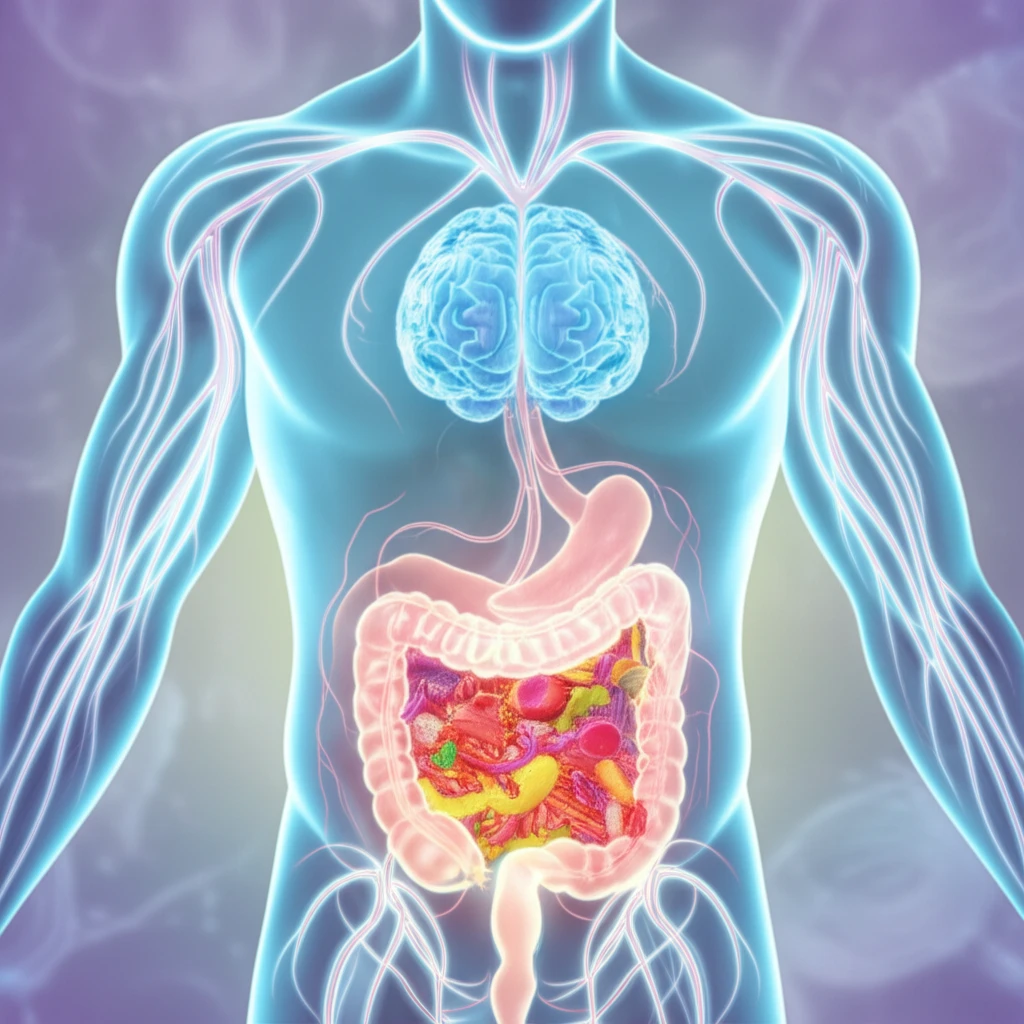
Gut-Brain Connection: How Your Gut Health Impacts Autoimmune Disease & What You Can Do About It

"New research reveals the surprising link between gut health, bacterial translocation, and autoimmune diseases like primary biliary cholangitis. Discover the latest findings and actionable steps for a healthier gut and a stronger immune system."
In the ever-evolving landscape of medical research, a fascinating connection has emerged, linking the health of our gut to the intricacies of our immune system. This connection, often referred to as the gut-brain axis, has unveiled a profound relationship between the microorganisms residing in our digestive system and the development of autoimmune diseases. One of the most compelling examples of this relationship can be seen in the context of primary biliary cholangitis (PBC), an autoimmune condition affecting the liver.
Recent studies have illuminated the significant role that gut health plays in the onset and progression of PBC and similar conditions. These investigations have not only identified specific alterations in the gut microbiome, the community of microorganisms living in our digestive tract, but have also pinpointed a key mechanism: bacterial translocation. This process, where bacteria from the gut cross the intestinal barrier and enter the bloodstream, is increasingly recognized as a critical factor in triggering immune responses and the development of autoimmune disorders.
This article delves into the latest research on gut microbiota and bacterial translocation, exploring how these factors influence autoimmune conditions. We will examine the mechanisms through which a dysregulated gut microbiome can promote autoimmunity, focusing on the context of PBC. Furthermore, we will discuss the implications of these findings and outline actionable strategies you can adopt to foster a healthier gut and, consequently, a more robust immune system.
The Gut Microbiota: A Complex Ecosystem
Our digestive system is home to trillions of microorganisms, collectively known as the gut microbiota. This diverse community, comprising bacteria, viruses, fungi, and other microorganisms, plays a critical role in maintaining our overall health. It aids in digestion, nutrient absorption, and the production of essential vitamins. Furthermore, the gut microbiota interacts with our immune system, helping to train it and regulate immune responses.
- Diversity: A greater variety of microbial species is generally associated with better health.
- Balance: A harmonious ratio of beneficial and harmful bacteria is crucial.
- Resilience: The ability of the gut microbiota to recover from disturbances is important.
- Specific Strains: Certain bacterial strains can have both positive and negative effects depending on the context.
Empowering Your Health Through Gut Health
The emerging research on the gut-brain connection provides a compelling framework for understanding and managing autoimmune diseases. By focusing on gut health, we can potentially mitigate the risk of autoimmune conditions and enhance our overall well-being. Incorporating the strategies discussed, along with seeking guidance from healthcare professionals, can empower you to take control of your health and embrace a life of vitality.