
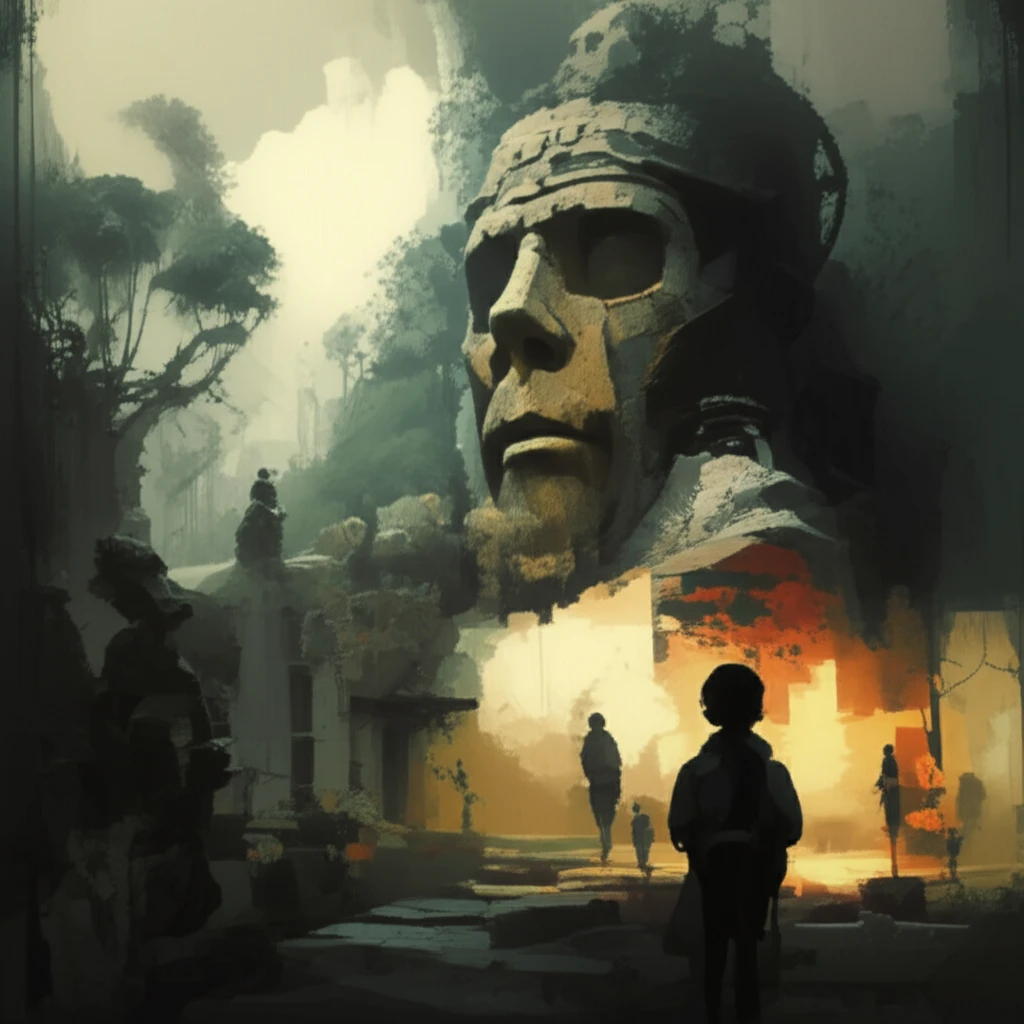
A haunting landscape of Guatemala, symbolizing the enduring legacy of war and the ongoing struggle for justice.

Guatemala's Unforgotten War: How History Haunts the Present

"Thirty years after NACLA's initial report, the echoes of genocide in Guatemala continue to resonate, demanding recognition and justice."


The 1980s in Guatemala were marked by state-sponsored violence that claimed the lives of tens of thousands. Yet, this tragic chapter remains largely unknown, obscured by the challenges of gathering information amidst danger and remote locations. The army's scorched earth tactics, linguistic barriers, and the clandestine nature of resistance further complicated the pursuit of truth.

In 1983, the NACLA Report, "Guatemala—The War is Not Over," emerged as an extraordinary document, providing clarity and urgency to those working in Mesoamerica. Today, revisiting this report is a sobering reminder of the truths it unveiled and their lasting relevance.

Personal experiences, such as those of a young sound recordist in Nicaragua and El Salvador, underscore the difficulty of penetrating the fear that gripped Guatemala. The risks faced by Guatemalan journalists who sought to report the reality of the conflict highlight the courage required to challenge the prevailing narrative.

Unmasking the Truth: Genocide in the Highlands

A haunting landscape of Guatemala, symbolizing the enduring legacy of war and the ongoing struggle for justice.

As filming progressed in the highlands, the true narrative began to emerge, challenging the military dictatorship's version of events. The mainstream media, influenced by General Efraín Ríos Montt's consolidation of power, propagated the idea that human rights were improving and the war was subsiding. However, the reality was starkly different.

Independent journalism, as practiced by NACLA, played a crucial role in uncovering the truth. By investigating further, developing sources across the political spectrum, and thinking radically, NACLA's authors exposed the atrocities that were being committed.

  • Deepening Understanding: Explore how independent journalism uncovers hidden truths.
  • Challenging Narratives: See how alternative voices counter mainstream media biases.
  • Promoting Justice: Discover the role of investigative reporting in holding power accountable.
The work of NACLA, along with the

A Call for Justice and Remembrance

The struggle for justice and accountability in Guatemala continues, with activists old and new organizing to resist corruption and impunity. The process of imagining a different country, as foregrounded in the 1983 issue, remains ongoing. However, the question remains: will the dark forces of the past prevail, or can Guatemala forge a path towards a more just and equitable future?

About this Article -

This article was crafted using a human-AI hybrid and collaborative approach. AI assisted our team with initial drafting, research insights, identifying key questions, and image generation. Our human editors guided topic selection, defined the angle, structured the content, ensured factual accuracy and relevance, refined the tone, and conducted thorough editing to deliver helpful, high-quality information.See our About page for more information.

Everything You Need To Know

1

What was the state-sponsored violence of the 1980s in Guatemala, and why is it important to acknowledge it?

The state-sponsored violence of the 1980s refers to the systematic acts of brutality and repression carried out by the Guatemalan government during that decade. This involved the army's use of scorched earth tactics, resulting in the loss of tens of thousands of lives. Acknowledging this violence is crucial because it addresses past injustices, fosters reconciliation, and prevents future atrocities by holding perpetrators accountable and honoring the victims.

2

What was the NACLA Report, and what role did it play in understanding the situation in Guatemala?

The NACLA Report, specifically "Guatemala—The War is Not Over," was a groundbreaking document that provided clarity and urgency regarding the situation in Guatemala during a time when information was scarce and often obscured by conflicting narratives. It played a vital role in unmasking the truth about the atrocities being committed. Revisiting the report provides a sobering reminder of the truths it unveiled and their lasting relevance, highlighting the importance of independent journalism in uncovering hidden realities.

3

What is independent journalism, and why is it significant in the context of Guatemala's history?

Independent journalism, as exemplified by NACLA, is a critical practice that involves investigating, verifying, and reporting news without being influenced by government propaganda or mainstream media biases. This helps to uncover hidden truths, challenge dominant narratives, and hold power accountable. The significance of independent journalism lies in its ability to provide alternative voices and perspectives, offering a more comprehensive understanding of complex issues.

4

Who was General Efraín Ríos Montt, and how did his consolidation of power affect the narrative surrounding the conflict?

General Efraín Ríos Montt consolidated power during a period of intense conflict in Guatemala, influencing the mainstream media to propagate the idea that human rights were improving and the war was subsiding. This consolidation of power is significant because it shows how authoritarian regimes can manipulate information to control public perception and suppress dissenting voices. The implications include the erosion of trust in official sources and the need for independent journalism to counter such narratives.

5

What is the ongoing struggle for justice and accountability in Guatemala, and why is it important?

The ongoing struggle for justice and accountability in Guatemala involves the efforts of activists, both old and new, to resist corruption and impunity. This includes demanding recognition for the victims of the war, seeking prosecution of those responsible for human rights abuses, and working towards a more just and equitable society. This struggle is crucial for preventing the dark forces of the past from prevailing and ensuring that Guatemala can forge a path towards a future where such atrocities are never repeated.

Newsletter Subscribe

Subscribe to get the latest articles and insights directly in your inbox.